

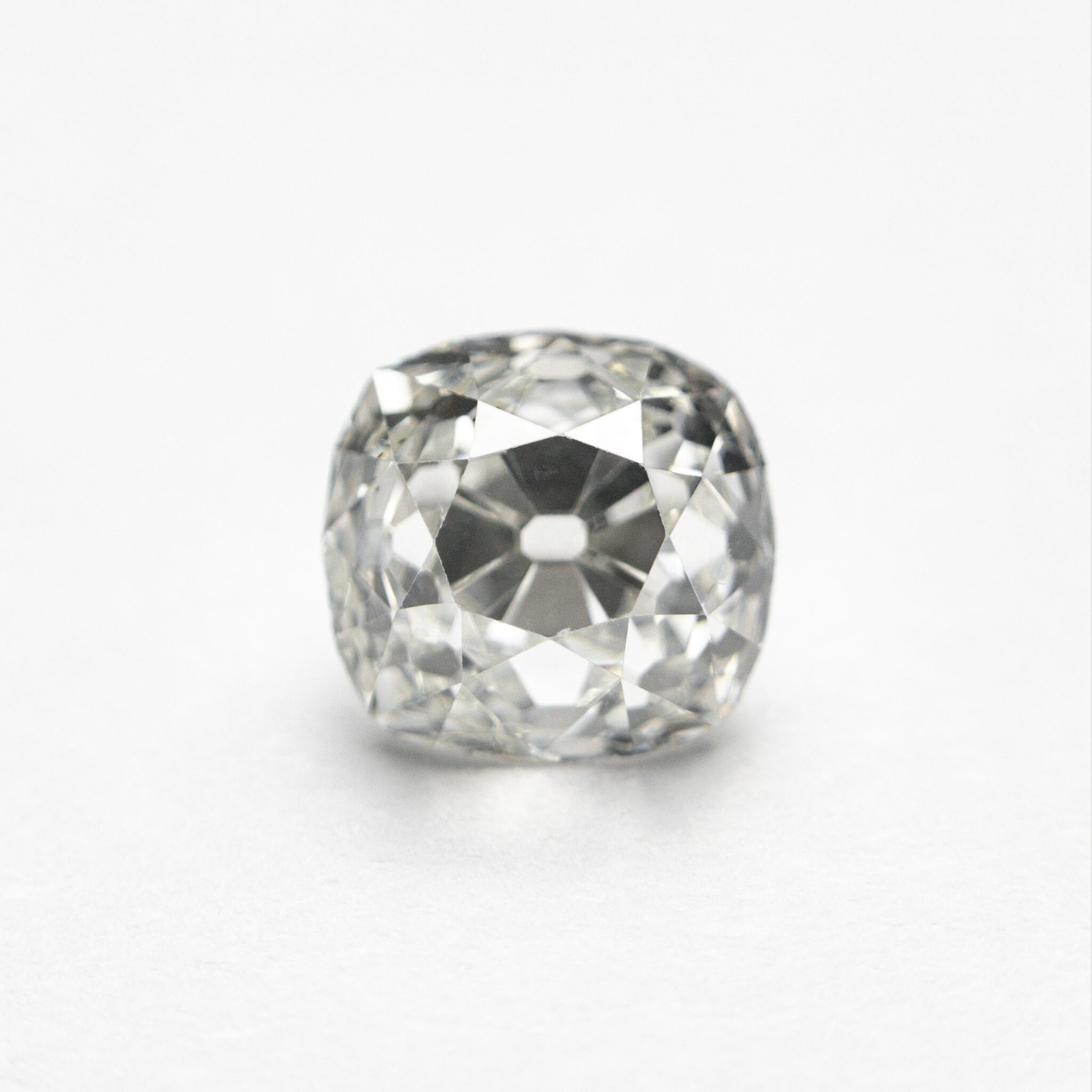
As we head into 2026, the luxury jewelry market is grappling with the growing impact of AI and the creation of modern diamonds with precise measurements and optimal symmetry. On the other hand, older design diamonds that have the “soul” of being hand-cut and faceted by candlelight, a hundred years before the advent of modern technologies, derive their novelty from contemporary design and work with a vintage, romantic touch.
While shopping for an engagement ring or a timeless piece at Opulent Diam, you might have considered: `While an older diamond might seem ‘imperfect’ and broken, could it actually be a better value than the replicas of modern factories?`
Let’s examine the undeniable appeal of vintage-cut diamonds, market trends, and data.
Determining vintage cut diamonds as a ‘rip-off’ or ‘value for money’ first involves defining how to classify vintage or antique cut diamonds.
Old cut diamonds are primarily two styles: 1. Old mine cut, and 2. Old European cut.
Unlike today’s machine-made diamonds that emphasize brilliance or white light return, older cuts maximized scintillation for displays of colors under the soft glow of fire or electric light. As customers move away from cookie-cutter luxury items, hand-cut diamonds from older cuts are rising in popularity in the USA, Europe, and the Middle East in 2026.
Value vs. Price: Are You Getting Ripped Off?
The short answer is no, especially when looking at price per carat. By that metric, older cut diamonds are often the most valuable diamonds in the marketplace.
1. The 20% Discount Rule
Traditionally, and in 2026, an old-cut diamond is likely to cost 15 to 25 percent less than a modern GIA `Excellent` cut stone of the same carat weight and color. Why? The diamond industry has, for years, been filled with people who valued perfection and symmetry. If an old cut has visible culets or asymmetrical facets, it is considered priced lower.
We at OpulentDiam have witnessed the market turning in favor of old cuts. Customers appreciate getting a larger diamond while still being 100% a Natural Diamond, even if they have to compromise some modern qualities.
2. Old Cuts: The Investment Case
Diamonds can be mined, cut, and polished today, yet original old-cut diamonds remain a finite resource. A significant number of old-cut diamonds have been recut into modern styles over the past half-century, further contributing to their scarcity. By 2025, it is predicted that fewer than 5% of secondary-market natural diamonds will be high-quality old-cut diamonds. The scarcity of old cuts translates to better long-term value retention.
Old cut vs modern: The performance data
Looking at old cuts can sometimes feel like a ripoff, while modern cuts can feel like a disco ball, reflecting light everywhere.
Old Cuts: Features larger facets that produce fewer “sparkle” effects. Instead, they shine light in a “chunky” fashion. This effect is often called “checkerboard”.
Modern Cuts: Presents 57 facets that instantly reflect light back to the viewer, making it bright and “loud” to capture the attention.
The Data on “Warmth”: “K” and “L” color grades are usually considered undesirable in today’s industry grading standards, yet older cuts appear warm. While an older cut ‘warm’ diamond appears more intentional and prettier than a modern round diamond with a yellowish hue, this saves you color grades, and with it, thousands of dollars on a stunning piece of jewelry.
Why OpulentDiam Sources Old Cuts
Being globally based in the USA, Europe, and the Middle East, we adhere to high business standards and prioritize EEAT (Expertise, Authoritativeness, and Trustworthiness). Therefore, here are the reasons our experts recommend old cuts.
Sustainability: In 2026, “Eco-friendly” won’t be a marketing gimmick; it will be legislation. Old cut diamonds are the most authentic luxury. No new mining, soil erosion, or modern carbon footprint is needed to extract an old cut diamond. Their soil settlement footprint dates back over a century.
Price Stability vs. Lab Grown: Unlike fabricated diamonds, which have experienced nosedives of over 80% in the last few years, natural old-cut diamonds have remained in the same price range. Unlike factory-grown stones, old-cut diamonds are timeless, tangible assets with historical provenance.
Identifying a Stone with “Better Value” (Buyer’s Checklist)
To avoid “rip-off” from a poorly cut stone, try to find a few of these indicators:
The Small Table: The top flat facet should be small. If it’s too large, it’s a sign of a poor transition cut.
The ‘Open’ Culet: If you look through the top of the diamond, do you see a small circle at the bottom? That is the culet. This feature is called an open culet, and, while usually a mark of a cut stone, in old cuts, this is a mark of authenticity and adds a unique ‘eye’ to the stone.
The Girdle: The girdle is the stone’s outer edge. The girdle of antique stones is often described as ‘frosted’ or ‘rough’. This is typical, but be careful to avoid any large chips that could compromise the stone’s durability.
Conclusion: The Verdict for 2026 Buyers
Are old cut diamonds a ripoff? Absolutely not. They offer a better value because they allow you to obtain a larger, more rare and ‘soulful’ natural diamond at a more accessible price point than a comparable modern stone. They are the ‘blue-chip’ stocks of the jewelry world: value, rare, and increasingly desirable.
OpulentDiam is firmly convinced that every piece of jewelry must tell a story. Modern stones reflect the story of a machine, while old cuts tell the story of history. When you add a sustainable process to the mix, a 20% lower price point, and the individuality of the facets, the choice should be clear.
