

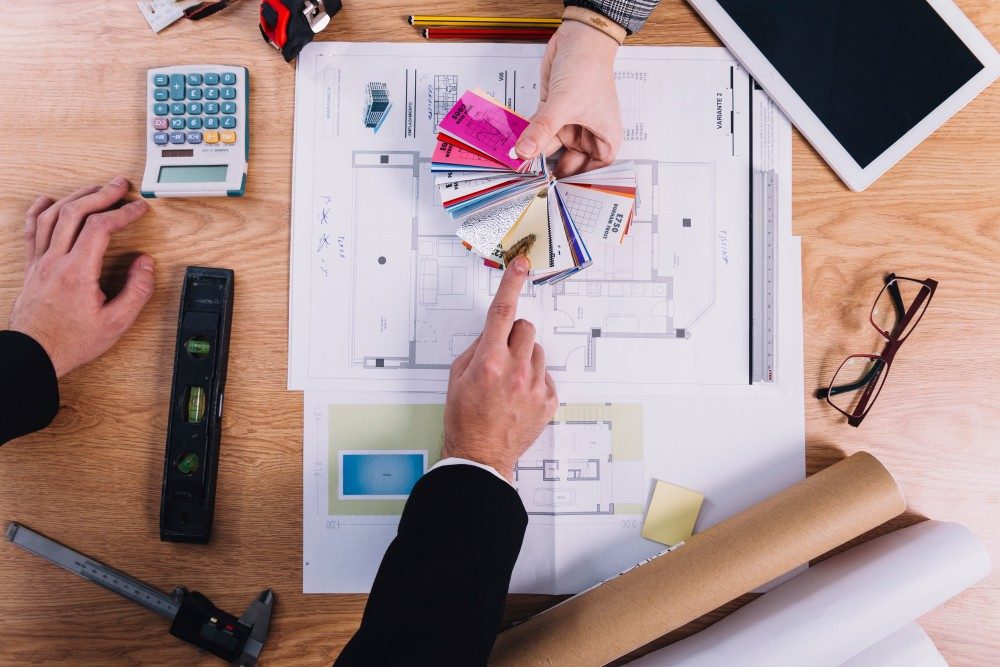
Architectural design is a detailed and careful journey that turns abstract ideas into real spaces where people live, work, and interact. It is not just one creative act; it is a structured process that balances imagination, technical skill, rules, and practical limits. From the first spark of an idea to the finished building, each step of the architectural design process is key to shaping a project’s outcome. Understanding this process helps explain how architects turn vision into reality while addressing functional needs, environmental issues, and cultural context.
Understanding the Project and Setting the Foundation
Every architectural project starts with a solid grasp of the client’s needs and goals. This first stage, commonly called programming or project briefing, involves collecting detailed information about the project’s purpose, budget, timeline, and functional requirements. Architects discuss these elements with clients, stakeholders, and sometimes end users to pinpoint expectations and priorities.
Site analysis is an important part of this stage. Architects examine the site’s physical features, including its shape, climate, direction, access points, nearby buildings, and local rules. Environmental factors like sunlight, prevailing winds, and drainage patterns affect initial design choices. By fully understanding the client’s goals and the site’s limitations, architects create a solid base for the entire design process.
Conceptual Design and Idea Generation
Once the groundwork is established, the conceptual design phase begins. This stage is where creativity shines, as architects explore ideas that address the project brief and site conditions. Concepts might draw inspiration from cultural context, natural forms, historical references, or new technologies. Architects often use sketches, diagrams, and rough massing models to visualize their ideas and test spatial relationships.
The concept serves as the main idea for the project. It outlines the overall character, shape, and design plan of the building. While concepts can seem abstract at the beginning, they help bring the client and design team together around a common vision. Feedback during this stage is crucial, as it lets architects improve their ideas before they begin detailed development.
Schematic Design and Spatial Organization
Schematic design turns conceptual ideas into clear architectural solutions. In this phase, architects create preliminary floor plans, building shapes, and spatial layouts. The goal is to arrange spaces logically, make sure they work well, and define how different areas of the building relate to each other.
Basic structural systems, circulation paths, and building orientation are considered at this stage. Architects also start to tackle important design challenges like accessibility, safety, and sustainability. Visual representations, such as simple 3D models and renderings, help clients grasp the developing design. While details are still flexible, schematic design gives a clearer idea of how the building will look and function.
Design Development and Technical Refinement
Design development marks a shift from broad planning to detailed refinement. The selected schematic design is further refined to address architectural, structural, mechanical, and electrical systems. Collaboration with engineers and consultants increases in intensity to ensure that the design is technically possible and meets building codes.
Materials, finishes, and construction methods are chosen during this phase. Architects think about durability, cost, appearance, and environmental impact when making these decisions. Design development also includes refining dimensions, structural elements, and façade details. By the end of this stage, the design is mostly finalized, with most key decisions firmly made.
Construction Documentation and Regulatory Approval
Construction documentation is a crucial part of the architectural design process. Detailed drawings and specifications are created to share the design clearly with contractors and builders. These documents include floor plans, elevations, sections, details, schedules, and technical notes that describe every aspect of the building.
Precision is essential at this stage. Construction documents act as legal and contractual references. Architects prepare documents needed for permits and regulatory approvals. Compliance with local building codes, zoning laws, and safety standards is thoroughly reviewed. Careful documentation reduces errors, minimizes construction delays, and helps control costs during execution.
Bidding and Contractor Selection
Before construction begins, the project usually goes through the bidding or negotiation phase. Contractors look over the construction documents and submit cost estimates or bids for the project. Architects may help clients evaluate these proposals to make sure that contractors understand the design intent and the scope of work.
This phase involves balancing quality, budget, and timeline. Clear communication between architects, clients, and contractors helps set realistic expectations. After a contractor is chosen, contracts are completed, and preparations for construction commence.
Construction Phase and Design Execution
The construction phase is where the architectural vision turns into a physical reality. Architects play an important role during this stage by offering construction administration services. They visit the site, review shop drawings, respond to contractor questions, and make sure the work matches the design documents.
Unexpected challenges often come up during construction, like site conditions or issues with material availability. Architects work together with contractors and consultants to fix these problems while keeping the design intact. Regular communication and problem-solving are key to keeping the project on track regarding quality, cost, and schedule.
Project Completion and Post-Construction Evaluation
Once construction is finished, the project moves into the final review and handover stage. Architects inspect the building to make sure it meets design specs and quality standards. Any outstanding issues, known as punch list items, are fixed before final acceptance.
After construction, architects and clients evaluate how well the building works in real life. Feedback on functionality, comfort, and efficiency offers useful insights for future projects. This reflective stage shows how important it is to keep learning and improving in the architectural field.
Integration of Sustainability and Technology
Throughout the architectural design process, sustainability and technology play crucial roles. Architects use energy-efficient systems, sustainable materials, and passive design strategies from the earliest stages. Digital tools like Building Information Modeling (BIM) improve coordination, lower errors, and make decision-making easier across all phases of design and construction.
By combining sustainability and technology, architects create buildings that are both visually appealing and environmentally responsible while also meeting future needs.
Conclusion
The architectural design process is a dynamic and collaborative journey that turns ideas into built environments. Each phase, from the initial concept to final execution, builds on the previous one and requires careful planning, creativity, and technical skills. Firms offering architectural services in Ahmedabad play an important role in making sure designs fit local context and client needs. By understanding and honoring this process, architects make sure their designs address client needs, site conditions, and social challenges. In the end, successful architecture comes from the smooth integration of vision, function, and execution. This creates spaces that enhance human experience and endure over time.
