

Industrial facilities depend on reliable electrical systems to maintain continuous production, ensure worker safety, and protect valuable equipment. Among the many protective devices used in modern power distribution networks, the vacuum circuit breaker stands out for its efficiency, durability, and ability to handle medium-voltage applications. Alongside other safety devices such as the residual current circuit breaker, it plays a crucial role in maintaining safe and stable industrial operations.
This article explores how vacuum circuit breakers function and their key applications across various industrial environments.
Understanding the Vacuum Circuit Breaker
A vacuum circuit breaker is designed to interrupt electrical current in medium-voltage systems. It uses a vacuum as the arc extinguishing medium. When a fault occurs and the contacts separate, the electric arc formed between them is quickly extinguished because there is no medium in a vacuum to sustain it. This makes the interruption process highly efficient and reliable.
Compared to other types of breakers, vacuum circuit breakers require minimal maintenance and have a longer service life. Their compact design and high performance make them suitable for demanding industrial conditions.

Role in Medium-Voltage Power Distribution
One of the primary applications of a vacuum circuit breaker is in medium-voltage power distribution systems within factories and industrial plants. These systems typically operate between 3.3 kV and 36 kV, supplying power to heavy machinery, transformers, and large motors.
In such environments, faults like short circuits or overloads can cause significant damage and downtime. A vacuum circuit breaker detects abnormal current flow and interrupts it almost instantly, preventing equipment failure and reducing the risk of fire or electrical hazards.
Protection of Industrial Motors
Industrial motors are essential for operating pumps, compressors, conveyors, and other mechanical systems. These motors draw high starting currents and can experience faults due to insulation failure or mechanical stress.
Installing a vacuum circuit breaker ensures that motor circuits are protected against short circuits and sudden faults. Its rapid arc-quenching capability prevents excessive damage and supports faster system recovery.
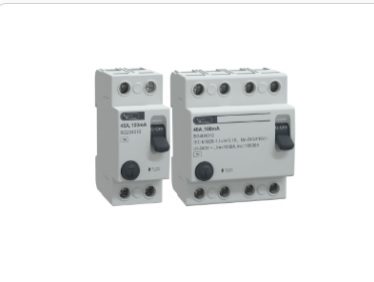
While vacuum circuit breakers manage medium-voltage faults, a residual current circuit breaker is often used in low-voltage sections to protect personnel from electric shock caused by leakage currents. Together, these devices provide layered protection.
Use in Manufacturing Plants
Manufacturing facilities require uninterrupted power for automated production lines and precision equipment. Even minor electrical disturbances can disrupt processes and lead to financial losses.
A vacuum circuit breaker ensures stable power distribution by isolating faulty sections without affecting the entire network. This selective protection capability improves reliability and minimizes downtime.
In areas where human interaction with equipment is frequent, integrating a residual current circuit breaker enhances safety by detecting leakage currents and disconnecting power before serious harm can occur.
Application in Power Generation and Substations
Industrial power plants and substations also rely heavily on vacuum circuit breakers. They are used to protect transformers, generators, and feeder lines from overcurrent and short-circuit conditions.
Because of their high dielectric strength and excellent arc control, vacuum circuit breakers are well-suited for frequent switching operations. Their durability makes them ideal for critical infrastructure where reliability is non-negotiable.
Mining and Heavy Industries
Mining operations and heavy industries operate in harsh conditions involving dust, vibration, and high mechanical stress. Electrical systems in such environments must be robust and dependable.
The rugged construction of a vacuum circuit breaker allows it to perform effectively even in challenging industrial settings. Its sealed vacuum interrupter prevents contamination, ensuring consistent performance over time.
Additionally, in workshops and control rooms within these industries, a residual current circuit breaker may be installed to protect workers from accidental electric shocks, particularly in damp or hazardous conditions.
Chemical and Petrochemical Industries
Chemical plants handle sensitive processes where electrical faults could result in dangerous consequences. Reliable circuit protection is essential to avoid equipment damage or safety risks.
Vacuum circuit breakers provide dependable fault isolation, reducing the possibility of cascading failures. Their ability to interrupt high fault currents efficiently makes them suitable for complex industrial networks.
For personnel safety in control areas, laboratories, and maintenance sections, residual current circuit breakers add an extra layer of protection by detecting earth leakage currents.
Advantages in Industrial Applications
The widespread use of vacuum circuit breakers in industrial facilities is due to several advantages:
- High reliability and long operational life
- Minimal maintenance requirements
- Compact and space-saving design
- Efficient arc extinction
- Environmentally friendly operation without gas emissions
When combined with devices such as a residual current circuit breaker, industries can achieve comprehensive protection for both equipment and personnel.
Enhancing Safety and Efficiency
Industrial safety standards continue to evolve, demanding better protective solutions. The integration of a vacuum circuit breaker into medium-voltage networks ensures rapid fault clearing and operational continuity.
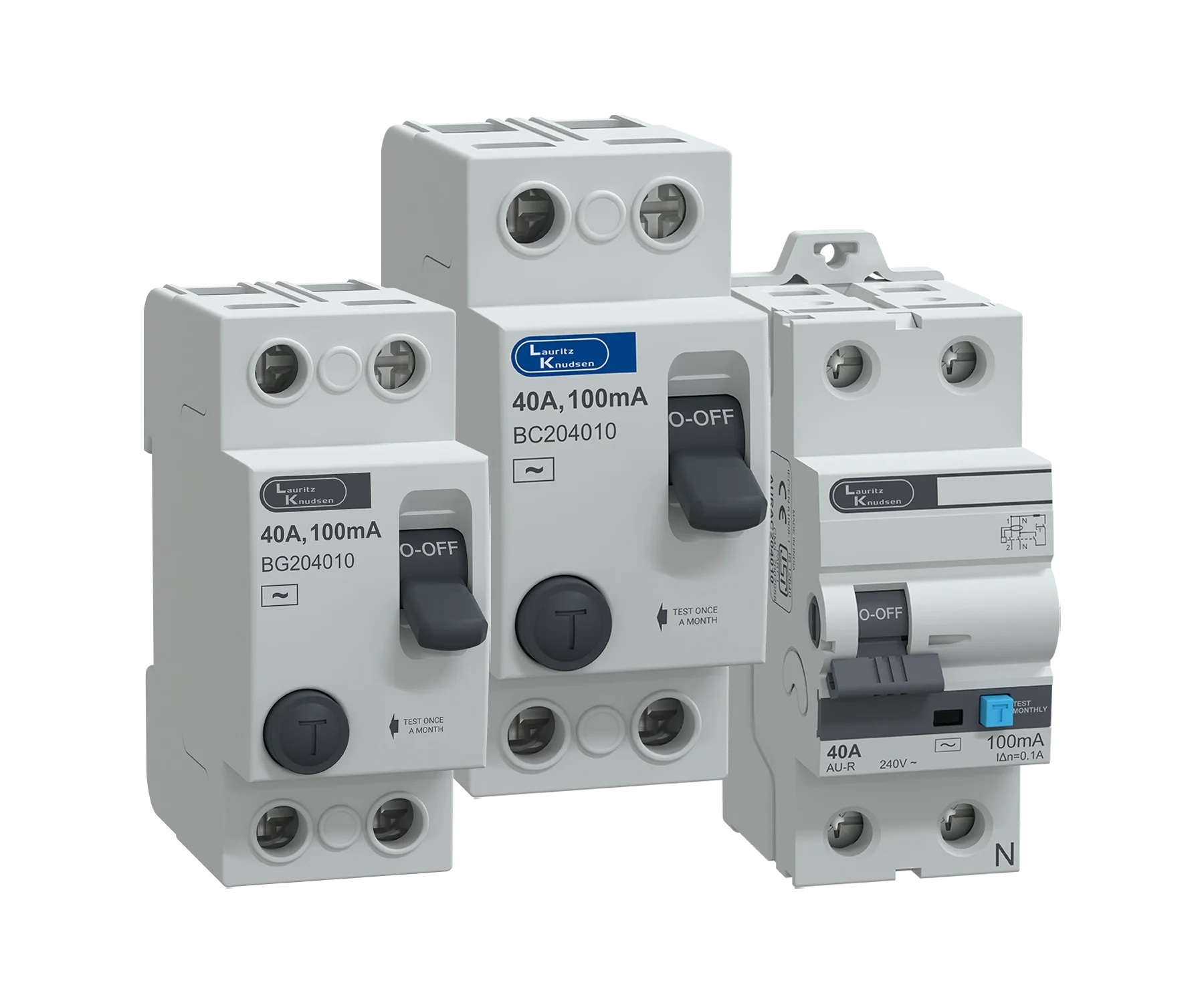
Meanwhile, the residual current circuit breaker focuses on detecting an imbalance in current flow, which often indicates leakage or potential shock hazards. This combination strengthens the electrical safety framework of modern facilities.
Regular maintenance, proper installation, and adherence to safety guidelines further enhance the performance of these protective systems.
Conclusion
The application of the vacuum circuit breaker in industrial facilities is essential for maintaining reliable and safe power distribution. From manufacturing plants to mining operations and power substations, these breakers ensure effective fault management and long-term operational stability.
Complementing them with a residual current circuit breaker provides added protection against electric shock and leakage currents, safeguarding both infrastructure and personnel.
For industries seeking dependable and advanced electrical protection solutions, trusted brands like Lauritz Knudsen continue to deliver high-quality products designed to meet modern industrial demands and safety standards.
