

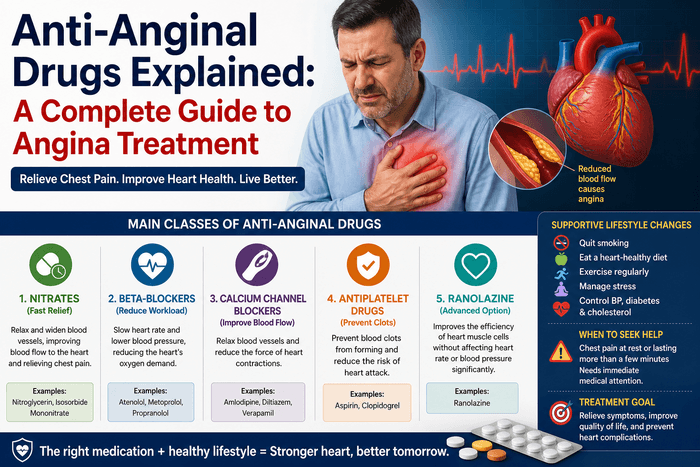
Angina is an unmistakable sign that the heart isn‘t receiving enough oxygenated blood. It is typified by a sensation of pressure or pain the chest and is associated with coronary artery disease . Although it can be frightening, angina is manageable with the use of various anti-anginal drugs coupled with lifestyle modifications and medical care.7 Understanding Angina
Angina is not a disease and occurs as a symptom. It indicates there is a reduction of blood flow to the heart muscle. This commonly occurs when there is a narrowing or blockages in the coronary arteries by a build up of fatty plaque. This means not enough oxygen reaches the heart.
There are three types of angina. Stable angina is predictable and happens with exertion and is relieved with rest. Unstable angina is more serious and can come on suddenly and even during periods of rest and can be the forerunner to a heart attack. Variant angina, which is also referred to as Prinzmetal‘s angina happens when the arteries spasm temporarily rather than become blocked.
Causes and Risk Factors
Most common cause of angina is atherosclerosis. This is where fatty deposits form in the arteries reducing blood flow and so increasing the work load of the heart. Other factors are blood clots and spasms of the arteries.
There are many predisposing factors for angina. The risk factors, of some lifestyle factors and other health conditions include:- smoking, which damages blood vessels; cholestrol, high blood pressure, obesity, high cholesterol and lack of excercise; diabetes and chronic stress.
How Anti-Anginal Drugs Work
Anti-anginal drugs: counteract the failure of balancing the blood oxygen demand and the supply. They relax the blood vessels, lower the heart rate, blood pressure or enhance the blood circulation.
Some drugs act rapidly to alleviate the pain felt during an acute angina attack, while others are administered daily to reduce the number of attacks the person suffers. Which type of drugs the patient is given will depend on the type and extent of the angina.
Nitrates for Immediate Relief
Nitrates are one of the most widely used treatments for angina. They relax and dilate the blood vessels and allow more blood to flow to the heart. They ease the workload of the heart and are therefore very efficacious.
The nitrate most commonly used is nitroglycerin and this is usually administered via a tablet that is placed sublingually or by a spray. It acts within minutes making it best taken at the time of an anginal attack. Long-acting nitrates are also used to prevent symptoms from occurring before physical activity.
Beta-Blockers for Long-Term Control
Beta blockers are taken over a period of time to lessen the workload of the heart. They cause the rate of the heart to slow down and reduces blood pressure which puts less demand on the oxygen consumptio
These drugs are very effective for people with stable angina, and are most often used as a long term management strategy. Because they prevent episodes of pain occurring, rather than simply treat the pain once it has started, they make your heart work better and result in less angina.
Calcium Channel Blockers for Better Blood Flow
Calcium channel antagonists are another group of Anti-anginal drugs. They cause relaxation of the smooth muscles in the walls of blood vessels and by relaxing the artery walls they increase the blood flow to the muscles. Some of them also reduce the force of contraction of the heart.
These drugs are used particularly in patients who have contraindications or intolerant to beta blockers or in patients who have vasospast…omerangina. They can be used as monotherapy or in combination with other drugs.
Antiplatelet Drugs for Prevention
Antiplatelet drugs e.g. Aspirin are of value in causing complications to be minimized as they make the blood less prone to clot, prevent heart attack.
Though not directly addressing angina symptoms they are vital for one‘s heart health in the long run. So people with coronary artery disease are generally recommended to take them every day under the supervision of a doctor.
Ranolazine: A Modern Approach
Ranolazine is a relatively newer anti-anginal medication used when other drugs are insufficient. It works by increasing the efficiency of functioning of heart muscle cells.
Ranolazine doesn‘t have the same effect on hemodynamics other drugs do so it is a good agent for some patients. It can be added to a treatment plan to help manage symptoms.
Combination Therapy for Better Results
In several instances, one medication is insufficient to manage angina. Physicians usually decide to use drug combination to act on various factors simultaneously.
E.g. A patient may take nitrates for immediate relief and a beta blocker or calcium channel blocker for ongoing management. Providing more comprehensive coverage and reducing the potential for complications.
Lifestyle Changes That Support Treatment
Coping with angina is more than just taking medication. There are various lifestyle adaptations which are just as important
A healthy, low-saturated fat, low-salt diet is important, as is regular exercise. If you stop smoking it will greatly lessen the chance of further damage to the arteries, and eating well with exercise also helps. Good stress management and healthy weight are also very important.
When Medical Procedures Are Needed
If drugs and lifestyle measures are not sufficient, doctors may suggest procedures. For example, a small balloon may be passed into a blocked artery and inflated (angioplasty). Once the artery is opened up a metal mesh tube called a stent can be placed in the artery to help keep it open.
In more serious cases, a coronary artery bypass may be administered, where a new route for oxygenated blood to be supplied to the heart is established bypass creating a new route.
Possible Side Effects of Treatment
Anti-anginal agents, like any other drugs, may have unwanted side-effects. Nitrates may induce headaches or dizziness, bêta-blockers may lead to weariness or cold hands and feet. Calcium channel blockers may cause leg oedema.
Most adverse effects are relatively mild and easy to deal with, but do seek help from a doctor if they continue or affect everyday life. Often these can be treated by changing the dose or medication.
When to Seek Emergency Care
Chests pains are not always benign. If the anginal symptoms become increased or worsen in severity or occur at rest, then this may be a sign of unstable angina or a myocardial infarction.
Seek and/or provide emergency medical attention if the pain lasts for more than a few minutes, radiates to other parts of the body or is associated with breathing difficulties, profuse sweating and nausea. Time is crucial in saving lives.
Final Thoughts
Anti-anginals have changed the way angina is treated. They can provide immediate relief or long term alleviation of symptoms, from the older nitrates and beta-blockers to the newer drugs like ranolazine, all of them work towards increasing blood flow and decreasing workload on the heart.
