

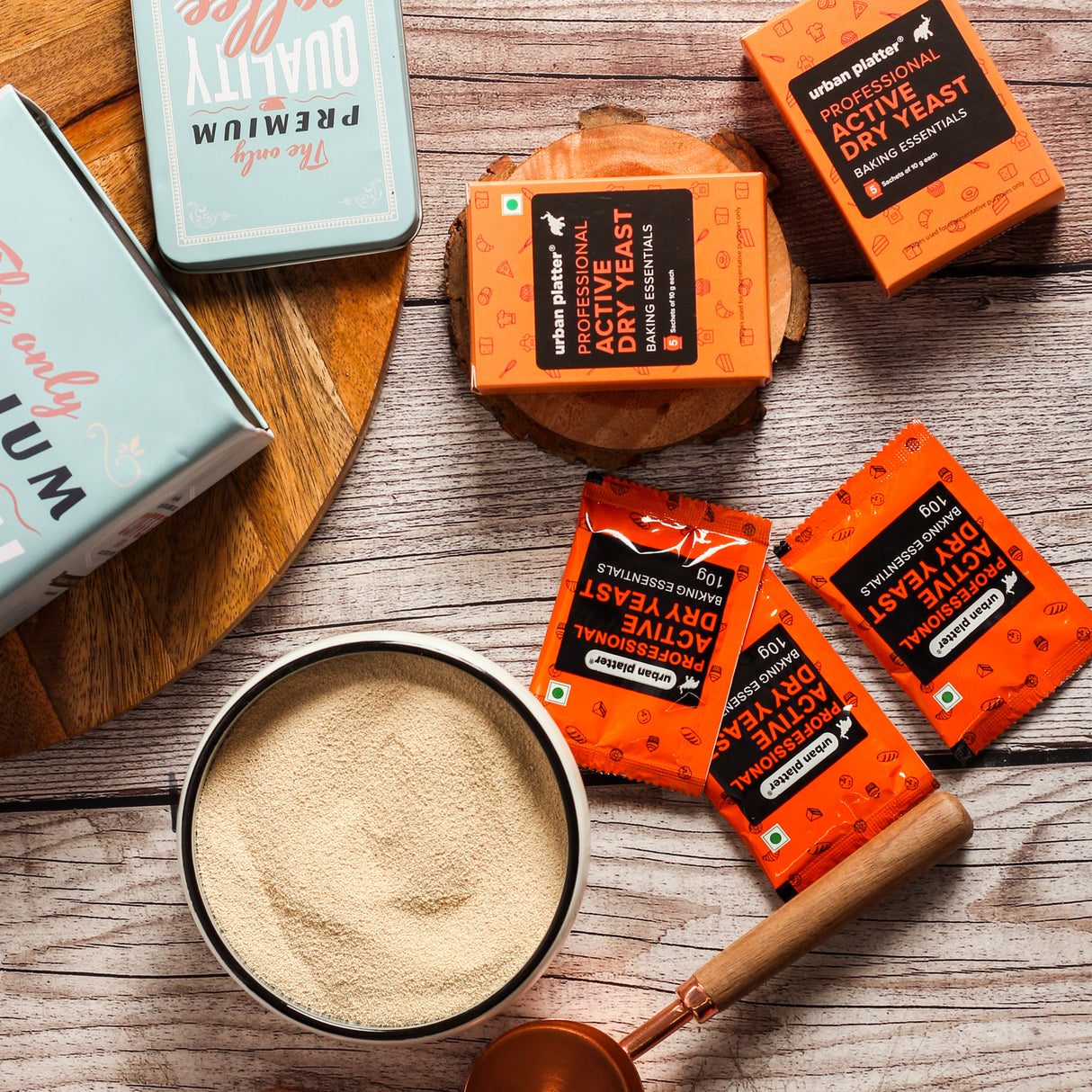
For anyone starting out in the world of baking, yeast is often one of the most intimidating ingredients. It’s small, invisible once mixed, yet powerful enough to transform dense dough into light, airy bread. One of the most commonly used varieties is active dry yeast, which is available in most grocery stores in the form of dry yeast powder. If you’ve ever wondered how to use it correctly or why it’s essential in baking, this beginner’s guide will help you understand everything you need to know.
What is Active Dry Yeast?
Active dry yeast is a living microorganism, scientifically known as Saccharomyces cerevisiae. It comes in tiny granules or powder form and becomes active when mixed with warm water and food (usually sugar). Once activated, yeast produces carbon dioxide, which creates air pockets in dough, giving bread, pizza, and buns their signature soft and fluffy texture.
Many home bakers prefer using dry yeast powder because it has a long shelf life and is easy to measure for recipes. Unlike fresh yeast, it doesn’t spoil quickly and can be stored in a cool, dry place until needed.
How Does Dry Yeast Powder Work?
The magic of yeast lies in the fermentation process. When dry yeast powder is activated, it starts consuming sugars in the flour or added sweeteners. During this process, yeast releases carbon dioxide and ethanol:
- Carbon dioxide gets trapped in the dough’s gluten structure, helping it rise.
- Ethanol evaporates during baking, leaving behind the wonderful aroma and flavor of freshly baked bread.
This process of fermentation doesn’t just create texture but also enhances taste, giving your baked goods a slightly tangy, rich flavor.
How to Use Active Dry Yeast
If you’re new to baking, using yeast may seem tricky, but once you get the hang of it, it’s straightforward. Here are the basic steps:
1. Check the Temperature
Active dry yeast needs warmth to activate. The ideal water temperature is between 38–43°C (100–110°F). Too hot, and you’ll kill the yeast. Too cold, and it won’t wake up.
2. Proof the Yeast
To proof, dissolve the dry yeast powder in warm water with a pinch of sugar. Within 5–10 minutes, the mixture should become foamy. This means your yeast is alive and ready to work. If nothing happens, the yeast might be expired or the water too hot/cold.
3. Mix into Dough
Once proofed, add the yeast mixture to flour, salt, and other ingredients to make your dough. Knead well to develop gluten, which will trap the gas bubbles released by yeast.
4. Let It Rise
Cover the dough and let it rest in a warm spot. This step, called proofing or fermentation, allows the yeast to do its job. Depending on the recipe, the dough may need one or two rises before baking.
5. Bake to Perfection
Finally, bake the dough in a preheated oven. As the heat rises, the yeast activity stops, but the gas bubbles expand, giving your bread a light, airy texture.
Common Mistakes to Avoid
Even experienced bakers sometimes make mistakes when working with yeast. Here are a few tips to ensure success:
- Don’t skip proofing unless the recipe specifies instant yeast. Active dry yeast generally requires activation.
- Avoid direct contact with salt while mixing ingredients, as salt can kill yeast if added in large amounts directly.
- Be patient – rushing the rising process often results in dense bread.
- Check expiration dates – old or improperly stored dry yeast powder may not work.
Creative Ways to Use Active Dry Yeast
Yeast isn’t just for bread. Once you’re comfortable with the basics, you can try it in a variety of recipes:
- Pizza dough – Homemade pizzas taste incredible with freshly prepared dough.
- Dinner rolls – Soft, fluffy rolls are perfect for any meal.
- Cinnamon rolls – Sweet dough with yeast makes these treats light and indulgent.
- Pretzels – A chewy, golden-brown snack that relies on yeast for texture.
- Focaccia – An Italian flatbread that highlights the flavor of yeast fermentation.
The versatility of dry yeast powder makes it a must-have ingredient for both sweet and savory baking.
Tips for Storing Dry Yeast Powder
Since yeast is a living organism, proper storage ensures it stays active for months:
-
Unopened packets can be stored in a cool, dry place, away from direct sunlight.
-
Opened packets should be transferred to an airtight container and stored in the refrigerator or freezer.
-
Always bring refrigerated yeast to room temperature before using it.
Stored correctly, dry yeast powder can last up to 12 months without losing its potency.
Final Thoughts
Baking with yeast doesn’t need to feel overwhelming. Active dry yeast, especially in the form of convenient dry yeast powder, is beginner-friendly, reliable, and opens the door to endless homemade creations. By learning how to proof, mix, and allow the dough to rise, you’ll soon be able to bake bread, pizza, and sweet treats that taste as good as those from your favorite bakery.
So the next time you’re at the store, grab a packet of dry yeast powder and give it a try—you might just unlock a whole new passion for baking!
