

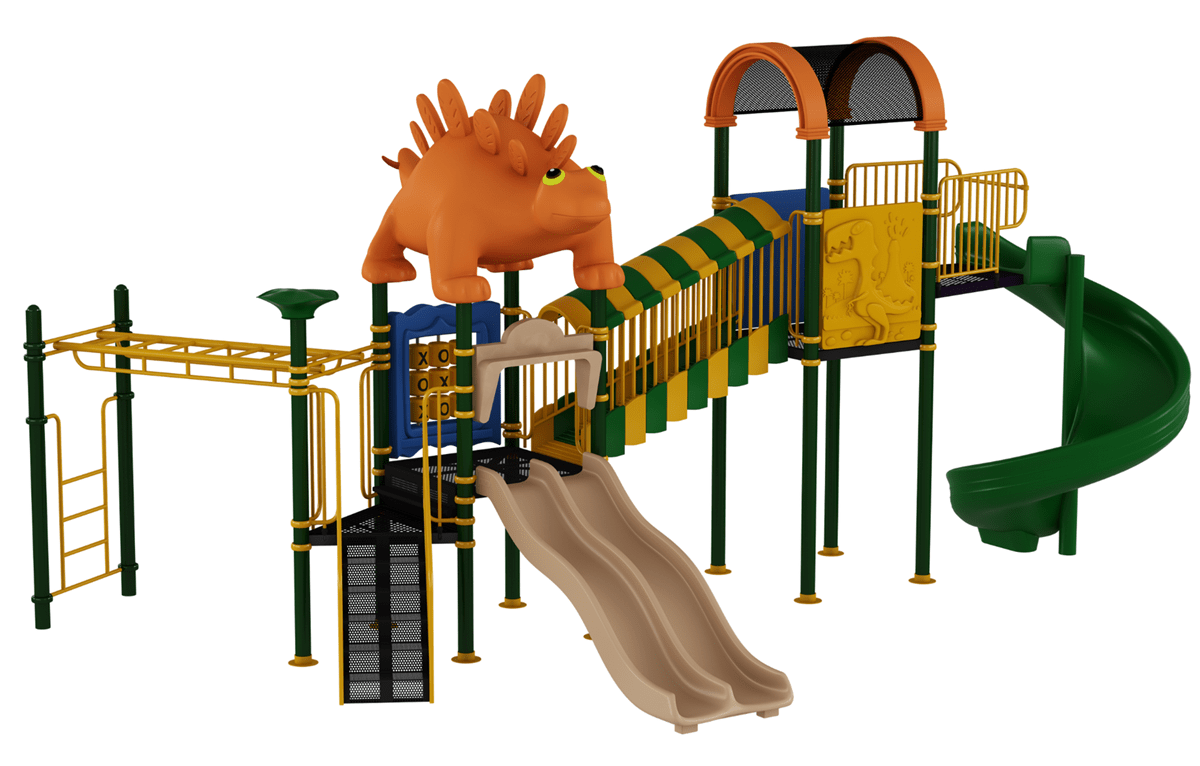
Investing in the right play products is essential for creating safe, engaging, and development-focused environments for children. Whether you are purchasing equipment for a school, daycare center, park, residential community, or home, making an informed decision can significantly impact both safety and play value. With numerous options available in the market, it is important to evaluate several factors before selecting childrens play equipment.
Prioritize Safety Standards
Safety should always be the primary consideration. Children are naturally active and curious, which makes it important to choose products designed with their well-being in mind. Look for equipment with smooth edges, sturdy construction, stable designs, and non-toxic materials. Products that comply with recognized safety standards offer greater peace of mind for parents, educators, and administrators.
Consider the Age Group
Not all play structures are suitable for every age group. Toddlers, preschoolers, and older children have different developmental needs and physical capabilities. Choosing age-appropriate equipment helps ensure that children can enjoy activities safely while gaining maximum developmental benefits. Slides, swings, climbers, and activity panels should be selected according to the intended users.
Evaluate Material Quality
The durability of play products depends largely on the materials used during manufacturing. High-quality plastic, treated metal, and weather-resistant components typically offer longer service life and better performance. Durable materials help reduce maintenance costs and ensure the children play equipment remains safe even after years of regular use.
Assess Available Space
Before making a purchase, carefully evaluate the installation area. The size and layout of the space will determine what type of equipment can be accommodated safely. Adequate spacing between play structures is important to allow children to move freely and avoid collisions. Proper planning helps create a more organized and enjoyable play environment.
Focus on Developmental Benefits
Good play equipment should offer more than entertainment. It should support children’s physical, cognitive, and social development. Activities that encourage climbing, balancing, swinging, and imaginative play help improve coordination, motor skills, creativity, and confidence. Selecting products that promote active learning can provide long-term developmental advantages.
Check Durability and Maintenance Requirements
Play areas often experience heavy daily usage, especially in schools and public spaces. Choosing durable products reduces the likelihood of damage and frequent repairs. Additionally, easy-to-clean surfaces and low-maintenance designs can save time and resources while helping maintain hygiene standards.
Look for Versatility
Multi-functional equipment can offer greater value by providing several play activities within a single structure. Products that combine climbing, sliding, and interactive features keep children engaged for longer periods while maximizing available space. Versatile play solutions are especially useful in educational institutions and community playgrounds.
Consider Aesthetic Appeal
Bright colors and attractive designs play an important role in encouraging participation. Children are naturally drawn to visually appealing play environments. Well-designed equipment can make playgrounds more inviting while contributing to a positive and energetic atmosphere.
Choose a Trusted Manufacturer
The reputation of the manufacturer is another important factor. Established brands often invest in better design, quality control, and safety testing. Purchasing from a trusted company helps ensure consistent product quality, reliable customer support, and long-term value.
Conclusion
Buying childrens play equipment requires careful consideration of safety, material quality, age suitability, durability, developmental value, and available space. A thoughtful investment not only creates enjoyable play experiences but also supports children’s growth and learning through active engagement. By focusing on quality and functionality, schools, parents, and institutions can build play environments that remain safe, enjoyable, and beneficial for years to come.
