

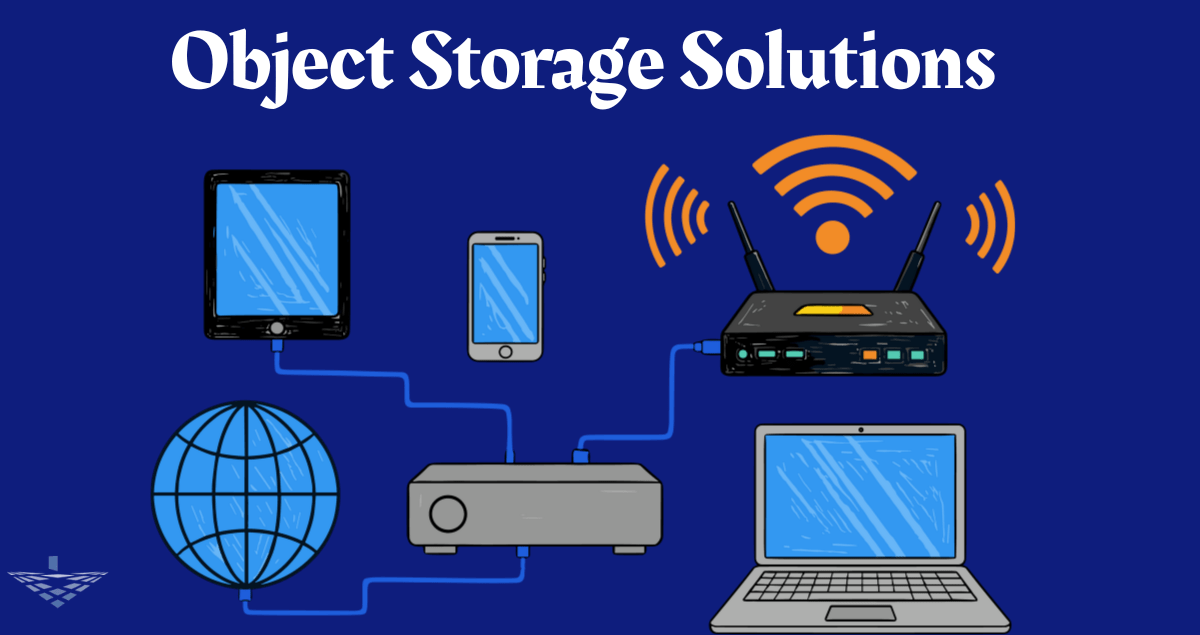
Accelerating Digital Transformation with Dedicated Data Infrastructure
Digital transformation continues to reshape how organizations operate, compete, and deliver value to customers. As businesses adopt new technologies and generate larger amounts of information, the need for efficient storage infrastructure becomes increasingly important. Many enterprises are turning to Object Storage Appliance deployments as a solution for managing expanding datasets while maintaining performance, reliability, and operational simplicity.
The Connection Between Data and Business Innovation
Innovation depends heavily on data. Organizations use information to improve products, streamline operations, identify market opportunities, and enhance customer experiences.
As digital initiatives expand, businesses often find that traditional storage approaches struggle to support growing workloads. A scalable storage strategy helps organizations adapt to these changes while maintaining operational efficiency.
Data Volumes Continue to Increase
The rise of analytics, automation, connected devices, and digital services has dramatically increased the amount of information organizations manage every day.
This growth requires infrastructure capable of supporting both immediate operational needs and long-term business objectives.
Building a Strong Data Foundation
A successful digital strategy begins with reliable infrastructure. Storage environments must provide the flexibility and scalability needed to support evolving requirements.
Capacity for Growth
Organizations need storage systems that can accommodate increasing data volumes without requiring frequent architectural changes.
Reliable Performance
Consistent access to information supports productivity, customer satisfaction, and operational continuity.
Simplified Management
Reducing administrative complexity allows technical teams to focus on innovation rather than infrastructure maintenance.
Supporting Business-Critical Applications
Modern organizations rely on a diverse range of Applications and workloads. Storage infrastructure should be flexible enough to support these varying requirements.
Common use cases include:
- Enterprise applications
- Backup and recovery operations
- Digital content management
- Data analytics platforms
- Archival repositories
- Development and testing environments
A centralized approach to storage management can improve efficiency while reducing operational overhead.
Enhancing Organizational Agility
Businesses must respond quickly to changing market conditions, customer expectations, and technological advancements.
Faster Deployment of New Services
Scalable storage infrastructure allows organizations to introduce new applications and services without significant delays.
Improved Resource Allocation
Centralized management enables businesses to allocate storage resources more effectively across departments and workloads.
Organizations seeking greater scalability often evaluate an Object Storage Appliance because it supports flexible growth while simplifying infrastructure administration.
Prioritizing Security and Data Protection
As information becomes more valuable, organizations must strengthen their data protection strategies. Effective storage environments incorporate security measures that support business continuity and risk management.
Access Governance
User permissions and authentication controls help ensure that sensitive information remains protected.
Data Preservation
Maintaining data integrity is essential for operational reliability and long-term business success.
Visibility and Monitoring
Comprehensive monitoring capabilities provide insight into storage activity and support governance initiatives.
Improving Operational Efficiency
Storage management can become increasingly complex as data volumes expand. Modern architectures help streamline operations through automation and centralized administration.
Benefits often include:
- Simplified infrastructure oversight
- Reduced manual management tasks
- Improved resource utilization
- Enhanced operational visibility
- Easier scalability planning
These advantages allow organizations to maximize the value of their technology investments.
Preparing for Future Expansion
Business requirements rarely remain static. New technologies, changing customer needs, and organizational growth all contribute to evolving storage demands.
Infrastructure designed for scalability helps organizations adapt without extensive redesign efforts or costly migrations.
Key Considerations for Infrastructure Planning
Organizations evaluating storage environments should assess several important factors.
Future Capacity Needs
Understanding projected growth helps ensure infrastructure remains effective over time.
Performance Requirements
Different applications and workloads require varying levels of responsiveness and throughput.
Security Objectives
Storage strategies should align with organizational governance policies and risk management frameworks.
Administrative Resources
Selecting solutions that simplify management can improve efficiency and reduce operational burdens.
Many businesses include an Object Storage Appliance in their digital transformation strategies because it supports scalable growth while helping maintain operational control.
Conclusion
The success of modern digital initiatives depends on infrastructure that can support growing volumes of information while maintaining reliability and efficiency. Organizations need storage environments that enable innovation, improve operational performance, and prepare for future growth. By implementing scalable storage strategies, businesses can create a strong foundation for long-term success in an increasingly data-driven world.
FAQs
1. How does storage infrastructure support digital transformation?
Storage infrastructure provides the foundation for applications, analytics, collaboration tools, and digital services that drive modern business operations and innovation.
2. What should organizations prioritize when planning future storage growth?
Businesses should focus on scalability, security, performance, management simplicity, and alignment with long-term operational objectives.
3. Why is resilience important in cybersecurity planning?
Resilience helps organizations continue operating during and after cyber incidents. A strong resilience strategy reduces downtime, supports faster recovery, and minimizes the impact of disruptions on business operations.
4. Which industries benefit most from enhanced security architectures?
Industries such as financial services, healthcare, government, energy, utilities, and manufacturing benefit significantly because they manage sensitive information and rely on continuous system availability.
5. How can organizations prepare for future cyber threats?
Organizations can prepare by adopting risk-based security strategies, strengthening recovery capabilities, improving threat detection, conducting regular security assessments, and continuously updating their security programs to address emerging threats.
