

Redefining What Luxury Means
For decades, luxury fashion was defined by logos, exclusivity, and price tags. But that definition is shifting. Today’s most discerning consumers are asking a different question: not just ‘who made this?’ but ‘how was it made?’ This shift is fuelling the rise of the organic clothing brand as the new face of true luxury.
Natural Fabrics as a Luxury Statement
There is a reason that linen, silk, organic cotton, and hemp are increasingly appearing in high-end collections. Natural fabrics offer something synthetic materials simply cannot replicate: texture, drape, and a relationship with the body that changes and improves over time.
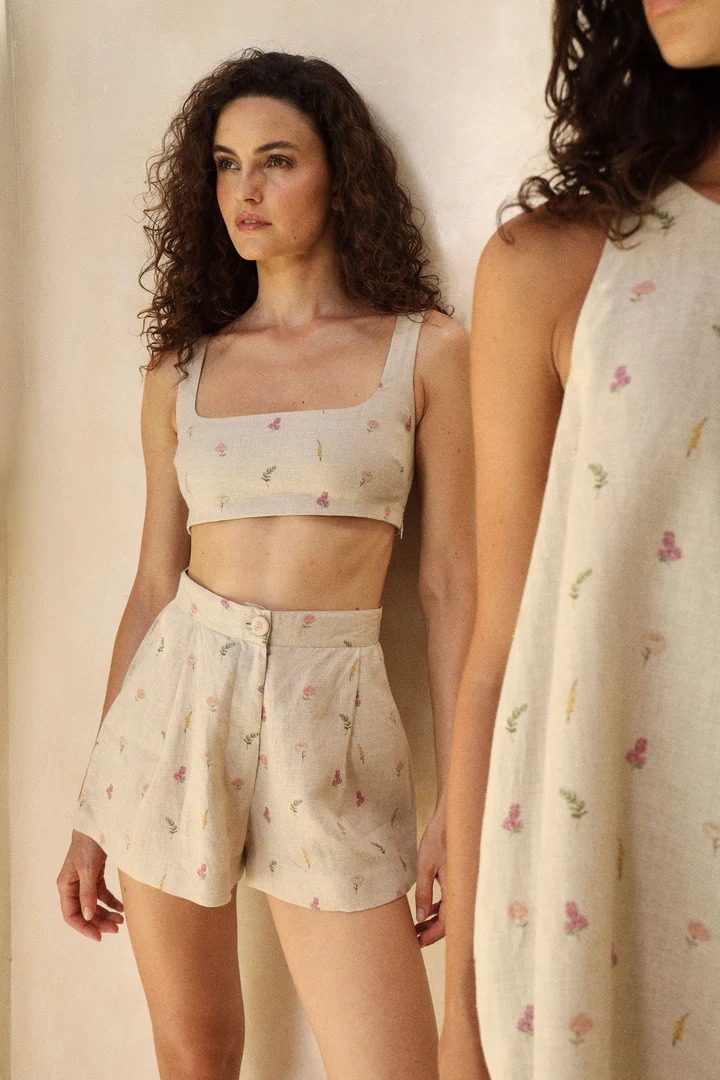
A linen bandeau from a thoughtfully made organic collection does not look or feel mass-produced. It has a quiet distinctiveness — the kind of quality that is felt before it is seen. That sensory experience is the new luxury marker.
Scarcity Through Intention
Luxury has always relied on scarcity. Organic clothing brands create scarcity not through artificial limitation but through intentional production. Smaller runs, considered collections, and a refusal to overproduce mean that owning a piece from a genuine organic brand is genuinely meaningful.
This is especially true for something like a carefully designed linen co-ord set — crafted in limited quantities from certified organic linen. It is not mass-produced. It is made with care, and it shows.
The Luxury Consumer Is Evolving
Research consistently shows that high-net-worth consumers — particularly younger ones — are increasingly guided by values in their purchasing decisions. They want to know that their wardrobe choices reflect their worldview. An organic clothing brand that can tell a compelling, authentic story of responsible making is perfectly positioned to capture this market.
These consumers are not looking for cheap sustainability. They are willing to invest in quality, longevity, and meaning. That is exactly what organic fashion offers.
Resort and Beachwear: Organic’s Natural Home
Nowhere is the synergy between organic fashion and luxury more evident than in resort and beachwear. The settings — sun-drenched coastlines, tranquil retreats, unhurried holidays — call for fabrics that breathe, drape, and belong in nature. Organic linen and cotton are perfectly suited to these contexts, and they carry a quiet elegance that synthetic alternatives cannot match.
Looking Ahead
The future of luxury fashion is not louder logos or faster trends. It is the confident stillness of a brand that knows exactly who it is and why it makes what it makes. In that future, the organic clothing brand does not occupy a niche — it defines the category.
What Changed?
The shift began gradually. As global awareness of fashion’s environmental impact grew, Indian consumers started asking harder questions about what they wore. Simultaneously, a new generation of designers and entrepreneurs emerged — people who had grown up with fast fashion but chose to build something different.
They drew on India’s craft heritage, combined it with contemporary design sensibility, and brought organic and natural fabrics back to the centre of fashion. The result has been a flourishing ecosystem of organic clothing brands that are both locally rooted and globally relevant.
Linen Takes Centre Stage
Among the fabrics leading this revival, linen has been particularly prominent. Increasingly popular in Indian wardrobes — especially for summer dressing — linen’s natural breathability makes it ideal for the subcontinent’s climate. Brands offering organic linen co-ord sets and relaxed linen silhouettes have found a receptive and growing audience across India’s major cities.
The Urban Conscious Consumer
The core audience for organic clothing brands in India is the urban professional — educated, well-travelled, and increasingly aware of global sustainability conversations. This consumer is not simply looking for organic as a health decision; they understand it as an environmental and ethical commitment.
They are also attuned to aesthetics. The organic brands winning this market understand that sustainability and style are not competing values. A beautiful linen bandeau that is also ethically made is not a compromise — it is the ideal.
Beyond the Metros
While the movement began in urban centres, it is expanding. Social media has democratised access to sustainable fashion storytelling, and consumers in smaller cities are increasingly engaging with and purchasing from organic clothing brands. This geographic broadening is a sign of genuine cultural shift, not a passing trend.
What This Means for the Industry
The rise of organic clothing brands in India represents a meaningful challenge to the dominance of fast fashion in one of the world’s largest apparel markets. As more Indian brands commit to organic fabrics, ethical manufacturing, and transparent supply chains, the industry benchmark shifts — and consumers everywhere benefit. The question is no longer whether organic fashion has a future in India. It clearly does. The question is how fast that future arrives, and which brands will help shape it. Explore the full range at Sand by Shirin and be part of the change.
