

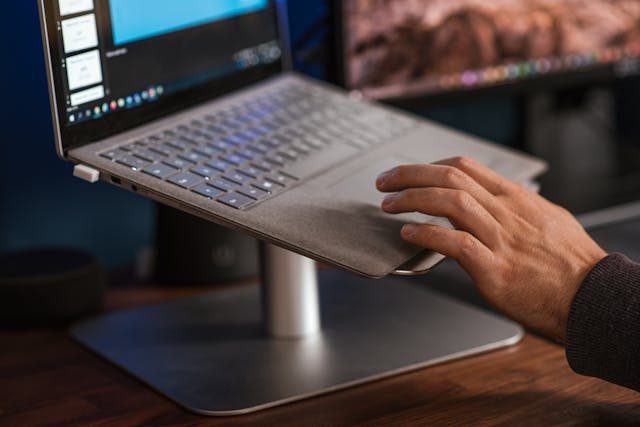
A standing desk converter for a laptop is one of the simplest and most effective ways to improve your workspace without replacing your entire desk setup. As more people shift toward remote work, hybrid offices, and long hours on laptops, the demand for ergonomic solutions has grown significantly. A standing desk converter offers a flexible middle ground—allowing you to switch between sitting and standing positions while working, which can make a noticeable difference in comfort, posture, and energy levels throughout the day.
Unlike full standing desks, a desk converter sits on top of your existing table or workstation. It elevates your laptop and sometimes includes a separate platform for a keyboard and mouse. This allows users to adjust height easily without needing to invest in a new workstation.
What a Standing Desk Converter Actually Does
A standing desk converter transforms a regular desk into an adjustable sit-stand workstation. It works by providing a raised platform that can be lifted or lowered depending on your preferred working position.
For laptop users, this means you can place your device on the upper surface, raise it to eye level, and work while standing. Many models also include a lower tray for external keyboards and mice, which helps maintain a more natural arm and wrist position.
This simple adjustment helps reduce strain caused by prolonged sitting and encourages more movement during the day.
Why Laptop Users Benefit the Most
Laptop users are especially prone to posture-related discomfort because screens and keyboards are combined into one fixed position. This often forces the user to hunch forward or look downward for long periods.
A standing desk converter helps correct this issue by raising the screen closer to eye level. When used properly, it encourages a more upright posture, reducing strain on the neck, shoulders, and lower back.
It also allows users to alternate between sitting and standing, which helps prevent stiffness and fatigue during long working sessions.
Comfort and Ergonomics in Daily Work
Ergonomics plays a major role in productivity and long-term health. A poorly set up workstation can lead to discomfort, decreased focus, and even chronic strain injuries over time.
A standing desk converter helps align your body more naturally. When the screen is at eye level and your arms are positioned comfortably, your body experiences less tension.
Standing for portions of the day also encourages better circulation, which can help reduce sluggishness and improve alertness.
Boosting Productivity and Focus
One of the most overlooked benefits of using a standing desk converter is its impact on focus. Standing while working can increase energy levels and reduce the mental fatigue that often comes with sitting for long hours.
Many users report feeling more alert and engaged when alternating between sitting and standing positions. This shift in posture can also help break up repetitive work patterns, making it easier to stay focused on tasks for longer periods.
Even small changes in posture throughout the day can contribute to improved productivity.
Types of Standing Desk Converters
Standing desk converters come in different designs, each suited for specific needs and workspace sizes.
Some models use a simple lift system where the platform moves vertically in one motion. Others use multi-tier designs with separate spaces for laptops, monitors, and accessories. There are also compact converters designed specifically for laptop-only setups, which are ideal for small desks or minimal workspaces.
Choosing the right type depends on your daily workflow, available space, and whether you use additional devices like external keyboards or second monitors.
Portability and Flexibility
One of the biggest advantages of a standing desk converter is its portability. Unlike full standing desks, converters can be moved, adjusted, or stored with relative ease.
This makes them ideal for people who work in shared spaces, home offices, or environments where flexibility is important. You can switch between setups without making permanent changes to your workspace.
This adaptability also makes them a popular choice for students, freelancers, and remote professionals.
Health Benefits of Alternating Positions
Long hours of sitting have been linked to various health concerns, including back pain, reduced circulation, and fatigue. A standing desk converter helps address these issues by encouraging movement throughout the day.
Alternating between sitting and standing promotes better posture and reduces pressure on the spine. It also encourages small shifts in body position, which can help prevent stiffness.
While standing all day is not recommended either, switching positions regularly creates a more balanced work routine.
Setting Up a Laptop Standing Desk Converter Properly
Proper setup is essential to get the full benefit of a standing desk converter for laptop. The top of your laptop screen should be at or slightly below eye level to avoid neck strain. Your elbows should remain at a comfortable 90-degree angle when typing, especially if you are using an external keyboard.
It’s also important to ensure your workspace is stable and that the converter is positioned on a flat surface. Small adjustments in height and angle can make a significant difference in comfort.
Common Mistakes to Avoid
One common mistake is placing the laptop too low or too high, which can lead to strain instead of relief. Another issue is standing for too long without switching back to sitting, which can cause fatigue.
Some users also forget to use external accessories like keyboards or mice, which are important for maintaining proper ergonomics when the laptop is elevated.
A balanced approach is key to getting the most benefit from the setup.
Who Should Use a Standing Desk Converter
Standing desk converters are ideal for remote workers, office employees, students, and anyone who spends extended hours on a laptop. They are especially useful for people who want ergonomic improvements without committing to a full office redesign.
They also suit small spaces where a full standing desk might not be practical.
The Future of Flexible Workspaces
As work environments continue to evolve, flexibility is becoming more important than ever. Standing desk converters are part of a broader shift toward adaptable workspaces that prioritize comfort, health, and productivity.
Future designs are expected to become lighter, more adjustable, and more integrated with smart technology that tracks posture and usage patterns.
Final Thoughts
A standing desk converter for a laptop is a simple yet powerful tool for improving daily work life. It enhances posture, supports better ergonomics, and encourages movement throughout the day—all without requiring a full desk replacement.
For anyone spending long hours at a computer, it offers a practical way to create a healthier and more productive workspace.
