

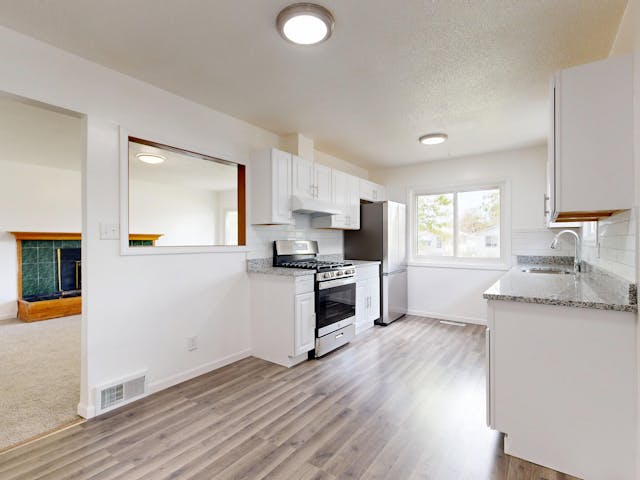
A kitchen remodel is one of the most impactful home improvement projects a homeowner can undertake, both in terms of daily lifestyle improvement and long-term property value. However, it is also one of the most variable in cost. The average kitchen remodel cost can differ significantly depending on size, materials, layout changes, labor rates, and the level of customization involved. Because of this, homeowners often find it difficult to estimate a realistic budget before speaking with contractors.
Understanding what drives these costs helps you plan more effectively and avoid unexpected expenses during the renovation process.
Understanding the True Cost of a Kitchen Remodel
The average kitchen remodel cost is not a single fixed number. Instead, it typically falls into three broad categories: minor remodels, mid-range remodels, and high-end luxury renovations. Each category reflects different levels of structural work, material quality, and design complexity.
A minor remodel usually focuses on cosmetic upgrades such as cabinet repainting, new countertops, updated fixtures, and improved lighting. These projects tend to stay within a more modest budget range because the existing kitchen layout remains unchanged.
Mid-range remodels often involve replacing cabinets, upgrading appliances, installing new flooring, and possibly making small layout adjustments. This is the most common type of kitchen renovation and typically offers the best balance between cost and value.
High-end remodels go much further, often including custom cabinetry, premium stone countertops, professional-grade appliances, structural changes, and luxury finishes. These projects can significantly increase the overall cost but also transform the kitchen into a fully customized living space.
Key Factors That Influence Kitchen Remodel Costs
Several factors directly impact how much a kitchen renovation will cost. One of the most significant is the size of the kitchen itself. Larger kitchens require more materials, more labor hours, and more complex installation work, all of which increase the final price.
Another major factor is the scope of the renovation. A simple update that keeps plumbing and electrical systems in place will cost far less than a full redesign that requires moving sinks, appliances, or gas lines. Structural changes often require permits and additional contractor expertise, which also adds to the total cost.
Material selection plays a major role as well. Cabinets, countertops, flooring, and backsplashes are available in a wide range of price points. Stock cabinets are more affordable, while custom-built cabinetry can significantly increase the budget. Similarly, laminate countertops are budget-friendly, while quartz, marble, and granite options raise costs considerably.
Labor is another essential component. Skilled trades such as electricians, plumbers, and carpenters all contribute to the overall project cost. In many cases, labor can account for nearly half of the total renovation budget, depending on project complexity and location.
Typical Price Ranges for Kitchen Remodeling
While exact pricing varies by region and contractor, most kitchen remodels fall within a general range.
A basic kitchen remodel may start at a lower entry-level budget and include simple upgrades like repainting cabinets, replacing hardware, and updating lighting fixtures. These projects are typically completed quickly and are ideal for homeowners looking to refresh their space without major construction.
A mid-range kitchen remodel often represents the most balanced investment. This type of renovation usually includes new semi-custom cabinets, upgraded countertops, modern appliances, and improved flooring. It is designed to enhance both functionality and aesthetics while maintaining reasonable costs.
A high-end kitchen remodel involves full customization. This can include luxury appliances, custom cabinetry, premium stone surfaces, advanced lighting systems, and sometimes even structural redesigns such as removing walls or expanding the kitchen footprint. These projects require detailed planning and often involve architects or interior designers.
The Impact of Layout Changes on Cost
One of the biggest cost drivers in a kitchen remodel is whether or not the layout is changing. Keeping the existing layout intact significantly reduces costs because plumbing, electrical, and gas lines remain in their original positions.
When homeowners choose to move sinks, stoves, or refrigerators, the complexity of the project increases. Plumbing lines may need to be rerouted, electrical systems upgraded, and walls modified to accommodate the new design. These changes require additional labor and often increase both material and permit expenses.
Even small layout adjustments can have a noticeable impact on the total budget, which is why many homeowners try to work within their existing kitchen footprint when possible.
Material Choices and Their Effect on Budget
Material selection is one of the most important decisions in any kitchen remodel. Cabinets alone can account for a significant portion of the budget, especially if custom designs are chosen. Stock cabinets are the most affordable option, while semi-custom and fully custom cabinets offer greater flexibility but at a higher cost.
Countertops also vary widely in price. Laminate is generally the most budget-friendly, while materials like quartz, granite, and marble are considered premium options. Each material has its own durability, maintenance requirements, and aesthetic appeal.
Flooring choices such as tile, hardwood, or luxury vinyl also influence overall cost. Durable materials may cost more upfront but often provide better long-term value.
Labor and Installation Considerations
Labor is one of the most important components of any kitchen remodel budget. Skilled professionals such as electricians, plumbers, tile installers, and carpenters all play a role in completing the project.
The complexity of the work determines how much labor is required. Simple upgrades may only require basic installation services, while full remodels involve multiple trades working in coordination.
Project timelines can also affect labor costs. Longer projects often require more scheduling, coordination, and oversight, which can increase expenses.
Permits, Inspections, and Regulations
Depending on the scope of the remodel, permits and inspections may be required. Any project involving electrical rewiring, plumbing changes, or structural modifications typically needs approval from local building authorities.
Permit costs vary by location, but they are an important part of the overall budget. Inspections ensure that the work meets safety and building code standards, which helps protect homeowners in the long term.
While permits may add to upfront costs, they are essential for ensuring compliance and avoiding future issues.
Return on Investment for Kitchen Remodels
One of the reasons kitchen remodels are so popular is their strong return on investment. A well-executed kitchen renovation can significantly increase a home’s resale value and improve buyer interest.
Mid-range remodels often provide the best return because they balance cost with broad market appeal. High-end remodels may not always return the full investment but can still greatly enhance lifestyle quality and property desirability.
Ultimately, the value of a kitchen remodel is measured not only in financial return but also in daily comfort and usability.
Final Thoughts
The average kitchen remodel cost depends on a wide range of factors, including size, materials, labor, and design complexity. While there is no universal price, understanding the key cost drivers helps homeowners make informed decisions and set realistic budgets.
Whether planning a small refresh or a full kitchen transformation, careful planning and clear priorities are essential to achieving a successful renovation that meets both functional needs and aesthetic goals.
