

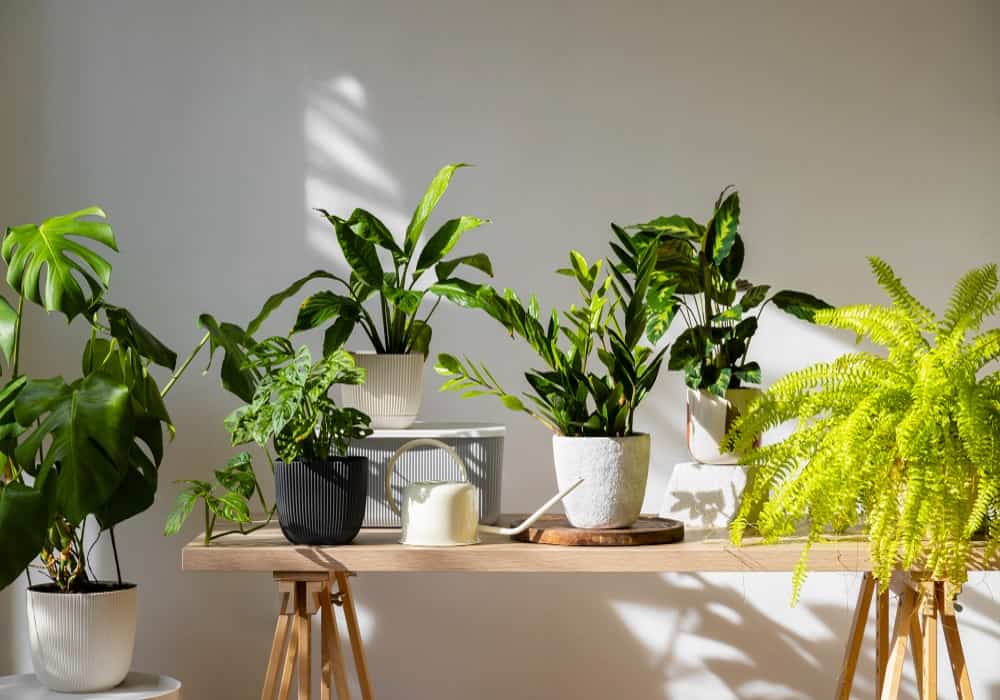
Summer can be challenging for home gardeners because high temperatures, strong sunlight, and dry weather often affect plant growth. However, with the right care and planning, it is possible to maintain a healthy and beautiful garden even during hot summer months. Many people search for useful tips for gardening at home to protect plants from heat stress and keep their gardens green and fresh throughout the season.
Home gardening during summer requires proper watering, soil care, sunlight management, and regular plant maintenance. Whether you grow flowers, herbs, vegetables, or decorative plants, following simple gardening techniques can help plants stay healthy and continue growing naturally even in extreme temperatures.
Water Plants Properly During Summer
One of the most important tips for gardening at home during summer is proper watering. Plants lose moisture quickly because of high temperatures, which can lead to dry soil and weak growth if not managed carefully.
Watering plants early in the morning is usually considered the best option because it allows roots to absorb moisture before the heat increases during the day. Evening watering can also be helpful, but watering during hot afternoons should generally be avoided because water evaporates quickly.
Overwatering is another common mistake that can damage roots and affect plant health. It is always better to check soil moisture before watering. Containers and pots may require more frequent watering because they dry faster compared to garden beds.
Protect Plants from Strong Sunlight
Excessive heat and direct afternoon sunlight can burn leaves and damage delicate plants during summer. Providing partial shade can help plants survive hot weather more comfortably.
Gardeners often use shade nets, garden cloth, umbrellas, or balcony covers to protect plants from harsh sunlight. Moving potted plants to slightly shaded areas during peak afternoon hours can also reduce heat stress naturally.
Plants with soft leaves and flowering plants usually need more protection during summer compared to heat-resistant varieties. Observing plant condition regularly helps identify early signs of heat damage, such as yellow leaves or dry edges.
Improve Soil Quality for Better Moisture Retention
Healthy soil is extremely important for successful summer gardening. Good soil helps retain moisture, supports root development, and improves overall plant health naturally.
Adding organic compost, cocopeat, or mulch can improve soil quality and help maintain moisture for longer periods. Mulching is especially useful during summer because it reduces water evaporation and keeps roots cooler.
Dry and compact soil may weaken plants and reduce growth. Regularly loosening the soil slightly helps improve airflow and water absorption around the roots.
Many people growing kitchen garden vegetables in India also use compost and organic fertilizers to maintain healthy vegetable plants during hot weather conditions.
Choose Summer-Friendly Plants for Home Gardens
Selecting suitable plants for summer gardening makes plant care easier and more successful. Some plants naturally tolerate heat better and continue growing even during warm temperatures.
Popular summer gardening plants include:
- Marigold
- Hibiscus
- Aloe vera
- Tulsi
- Money plant
- Chilli
- Tomato
- Mint
- Okra
- Portulaca
These plants usually require less protection and can survive well with proper watering and sunlight management. Choosing seasonal plants suitable for local weather conditions reduces maintenance and improves gardening success naturally.
Beginners often find summer-friendly plants easier to manage because they adapt well to changing temperatures.
Maintain Proper Plant Care and Pruning
Regular plant care is essential for maintaining healthy gardens during summer. Removing dry leaves, damaged stems, and dead flowers helps plants focus their energy on fresh growth.
Pruning also improves airflow around plants and reduces the chances of fungal infections caused by excessive humidity or poor ventilation. Clean and healthy plants usually grow faster and look more attractive.
Checking plants regularly for pests is also important because insects and plant diseases may increase during warm weather. Natural pest control methods like neem oil spray and proper cleanliness can help protect plants safely.
Simple daily observation helps gardeners identify problems early and maintain healthier plants naturally.
Use Smart Container Gardening Techniques
Container gardening is highly popular in urban homes because many people have limited outdoor space. Pots, grow bags, hanging baskets, and vertical gardening systems help create beautiful gardens in balconies, terraces, and small spaces.
During summer, containers dry out quickly because they are exposed to direct heat. Using larger pots, adding mulch, and selecting proper potting mix can help retain moisture for longer periods.
Containers with drainage holes are necessary because excess water can damage roots. Placing trays under pots may also help reduce water loss and maintain moisture around plants.
Creative container gardening techniques allow people to continue gardening comfortably even in small urban homes.
Build Healthy Gardening Habits During Summer
Consistency is one of the most important factors in successful home gardening. Healthy gardening habits help plants stay strong and improve long-term garden maintenance naturally.
Simple habits such as checking soil moisture daily, watering plants on time, cleaning dry leaves, and observing plant health regularly can make a major difference. Gardening tools should also be kept clean to avoid spreading plant diseases.
Spending a few minutes every day caring for plants not only improves garden health but also creates a relaxing and refreshing experience for plant lovers.
Gardening during summer becomes easier when people understand plant needs and follow proper seasonal care techniques consistently.
Conclusion
Summer gardening can be highly rewarding when plants receive the right care and attention. Proper watering, healthy soil, sunlight protection, pruning, and suitable plant selection are some of the most effective tips for gardening at home during hot weather conditions. These simple gardening practices help plants remain fresh, green, and healthy throughout the summer season.
Home gardening not only improves the beauty of living spaces but also creates a peaceful and refreshing environment. By following smart gardening techniques and maintaining healthy routines, anyone can successfully grow flowers, herbs, vegetables, and decorative plants even during extreme summer temperatures.
FAQs
How often should plants be watered during summer?
Most plants need regular watering during summer, but soil moisture should always be checked before watering to avoid overwatering.
What is the best time to water plants in summer?
Early morning is generally the best time because plants absorb moisture before temperatures rise during the day.
Which plants grow well during summer?
Plants like aloe vera, marigold, hibiscus, mint, chilli, tomato, and tulsi grow well during summer with proper care.
How can I protect plants from strong sunlight?
Using shade nets, balcony covers, or moving pots to partially shaded areas can help protect plants from harsh sunlight.
Why is mulching important during summer gardening?
Mulching helps retain soil moisture, keeps roots cool, and reduces water evaporation during hot weather.
