

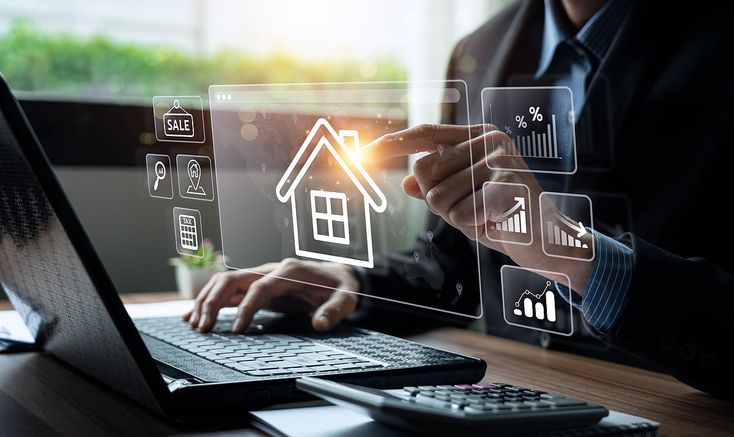
The real estate industry is undergoing a major digital transformation. Traditional property management methods that once relied heavily on paperwork, manual processes, and in-person interactions are now being replaced by smart technologies and automated solutions. At the center of this transformation is PropTech, a rapidly growing sector that is reshaping how properties are bought, sold, managed, and maintained.
PropTech, short for Property Technology, combines real estate operations with innovative digital tools such as artificial intelligence, cloud computing, big data, IoT devices, and automation platforms. These technologies help property owners, managers, investors, and tenants streamline operations, improve efficiency, reduce costs, and enhance overall experiences.
From smart buildings and digital leasing platforms to predictive maintenance and virtual property tours, PropTech is revolutionizing real estate management across residential, commercial, and industrial sectors. As urbanization and digital adoption continue to increase worldwide, PropTech is becoming an essential component of modern real estate operations.
What Is PropTech?
PropTech refers to the use of technology to optimize, improve, and automate real estate services and property management processes. It includes software platforms, mobile applications, smart devices, data analytics tools, and digital systems designed specifically for the real estate industry.
The primary goal of PropTech is to solve inefficiencies within traditional real estate operations by improving communication, automation, transparency, and decision-making.
Core Areas of PropTech
PropTech solutions are commonly used in several real estate functions, including:
- Property management
- Real estate marketing
- Smart building automation
- Tenant communication
- Investment analysis
- Virtual property tours
- Lease management
- Energy optimization
- Predictive maintenance
These technologies help property professionals manage operations more effectively while improving the tenant experience.
The Evolution of Traditional Real Estate Management
Traditional real estate management often involved:
- Manual rent collection
- Physical documentation
- In-person inspections
- Paper-based lease agreements
- Delayed maintenance reporting
- Limited communication channels
These methods were time-consuming, prone to errors, and difficult to scale efficiently. Property managers often struggled with operational inefficiencies, lack of real-time data, and poor tenant engagement.
The rise of PropTech has introduced digital solutions that automate many of these tasks and provide real-time visibility into property operations.
How PropTech Is Transforming Real Estate Management
PropTech is reshaping nearly every aspect of real estate management. Its impact extends from operational efficiency to tenant satisfaction and investment performance.
Smart Property Management Systems
One of the biggest innovations in PropTech is the development of centralized property management platforms.
Features of Modern Property Management Software
These systems often include:
- Online rent collection
- Automated lease tracking
- Maintenance request management
- Tenant communication portals
- Financial reporting dashboards
- Vacancy tracking
- Digital document storage
Cloud-based platforms allow property managers to monitor multiple properties from a single interface, improving operational efficiency and reducing administrative workloads.
Benefits for Property Managers
Smart management systems help:
- Reduce manual errors
- Save administrative time
- Improve financial tracking
- Increase operational transparency
- Simplify communication
Property managers can now access real-time insights that support faster and more informed decision-making.
Smart Buildings and IoT Technology
The Internet of Things (IoT) has become a major driver of PropTech innovation. Smart buildings use connected devices and sensors to automate property operations and monitor building performance.
Examples of Smart Building Technology
IoT-enabled properties may include:
- Smart thermostats
- Automated lighting systems
- Smart security systems
- Occupancy sensors
- Energy monitoring tools
- Remote access controls
These technologies improve building efficiency while enhancing tenant comfort and safety.
Energy Efficiency and Sustainability
Smart buildings help reduce energy consumption by automatically adjusting lighting, heating, and cooling systems based on occupancy and usage patterns.
This supports:
- Lower utility costs
- Reduced carbon emissions
- Better sustainability performance
- Improved ESG compliance
Sustainable real estate practices are becoming increasingly important for investors and tenants alike.
AI and Data Analytics in Real Estate
Artificial intelligence and data analytics are transforming how property managers analyze operations and predict future trends.
Predictive Maintenance
AI-powered systems can detect equipment issues before failures occur. Sensors monitor systems such as HVAC units, elevators, and plumbing infrastructure to identify irregularities early.
Predictive maintenance helps:
- Reduce downtime
- Lower repair costs
- Extend equipment lifespan
- Improve tenant satisfaction
Instead of reacting to maintenance issues after breakdowns occur, property managers can proactively address problems before they escalate.
Real-Time Data Insights
Advanced analytics platforms provide valuable data on:
- Occupancy trends
- Rental performance
- Tenant behavior
- Energy usage
- Maintenance patterns
This information enables property managers to optimize operations and improve investment performance.
Digital Leasing and Online Transactions
PropTech has significantly simplified leasing and rental processes through digital platforms.
Online Leasing Solutions
Modern leasing platforms allow tenants to:
- Submit applications online
- Upload required documents
- Sign digital lease agreements
- Make online payments
- Schedule maintenance requests
Digital leasing reduces paperwork and accelerates transaction processes for both tenants and property managers.
Virtual Property Tours
Virtual tours and 3D property walkthroughs have become increasingly popular, especially after the rise of remote interactions.
Benefits include:
- Faster property viewing
- Better remote accessibility
- Improved marketing reach
- Reduced physical visits
- Enhanced customer convenience
Prospective tenants and buyers can now explore properties from anywhere in the world.
Improving Tenant Experience Through PropTech
Tenant experience has become a major priority in modern real estate management. PropTech solutions help create more personalized, responsive, and convenient tenant interactions.
Mobile Apps for Tenant Communication
Tenant apps often include:
- Maintenance request tracking
- Rent payment systems
- Community announcements
- Visitor management
- Amenity booking systems
These digital tools improve communication and increase tenant satisfaction.
Faster Service Response
Automated maintenance systems help property managers respond more quickly to tenant issues. Real-time notifications ensure that service requests are addressed efficiently.
Better responsiveness often leads to:
- Higher tenant retention
- Better reviews
- Improved occupancy rates
PropTech and Commercial Real Estate
Commercial real estate is one of the sectors benefiting most from PropTech innovation.
Smart Office Management
Modern office buildings now use:
- Occupancy tracking systems
- Smart meeting room scheduling
- Automated climate controls
- Workplace analytics
These technologies support hybrid work environments and optimize office space utilization.
Retail and Shopping Centers
Retail properties use PropTech for:
- Customer traffic analysis
- Digital signage
- Smart parking systems
- Energy optimization
These solutions improve operational efficiency and customer experiences.
Blockchain in Real Estate
Blockchain technology is beginning to influence real estate transactions and property records.
Benefits of Blockchain in Real Estate
Blockchain can improve:
- Transaction transparency
- Data security
- Contract automation
- Ownership verification
Smart contracts may eventually simplify property sales and leasing agreements by automating approval and payment processes.
Although blockchain adoption in real estate is still developing, its long-term potential is significant.
The Role of Automation in Property Management
Automation is one of the most valuable aspects of PropTech.
Tasks Commonly Automated
Property managers can automate:
- Rent reminders
- Payment processing
- Lease renewals
- Maintenance scheduling
- Financial reporting
- Tenant notifications
Automation reduces repetitive tasks and allows property management teams to focus on higher-value responsibilities.
Challenges of Implementing PropTech
Despite its advantages, adopting PropTech can present several challenges.
High Initial Investment
Some technologies require significant upfront costs for:
- Software implementation
- Infrastructure upgrades
- Staff training
- Smart device installation
Smaller property firms may struggle with these investment requirements initially.
Data Privacy and Cybersecurity
As properties become more connected digitally, cybersecurity risks increase.
Property companies must protect:
- Tenant information
- Financial data
- Building access systems
- Operational databases
Strong cybersecurity strategies are essential for safe PropTech adoption.
Employee Training and Adoption
Technology implementation alone is not enough. Staff members must understand how to use PropTech systems effectively.
Without proper training:
- Efficiency improvements may be limited
- User adoption may decline
- Operational disruptions may occur
Successful implementation requires both technology investment and organizational adaptation.
Benefits of PropTech for Real Estate Investors
PropTech also provides major advantages for investors and property owners.
Better Investment Decisions
Data analytics platforms help investors evaluate:
- Market trends
- Property performance
- Risk factors
- Occupancy forecasts
This improves investment accuracy and long-term planning.
Increased Asset Value
Smart properties often achieve:
- Higher occupancy rates
- Better tenant retention
- Improved operational efficiency
- Greater market competitiveness
These factors can increase property valuation and profitability.
PropTech Trends Shaping the Future
The PropTech industry continues to evolve rapidly. Several trends are expected to shape the future of real estate management.
Artificial Intelligence Expansion
AI will continue improving:
- Property valuation models
- Tenant personalization
- Predictive analytics
- Smart automation
Sustainable Smart Buildings
Green building technologies will become increasingly important as sustainability regulations expand globally.
Digital Twins
Digital twins create virtual replicas of physical buildings that help monitor operations, maintenance, and performance in real time.
Integrated Real Estate Ecosystems
Future PropTech platforms will likely integrate:
- Property management
- Financial systems
- Tenant services
- Building automation
- Security systems
This will create fully connected real estate ecosystems.
Why PropTech Matters in Modern Real Estate
The real estate industry is becoming increasingly competitive, data-driven, and customer-focused. PropTech helps organizations stay competitive by improving:
- Operational efficiency
- Tenant satisfaction
- Decision-making
- Sustainability
- Profitability
Companies that fail to adopt digital transformation may struggle to meet evolving market expectations.
Conclusion
PropTech is fundamentally changing the way real estate management operates. By combining technology with property operations, the industry is becoming smarter, faster, more efficient, and more customer-centric.From AI-powered analytics and smart buildings to automated leasing platforms and digital tenant experiences, PropTech is redefining traditional real estate practices across residential and commercial sectors.
Although challenges such as cybersecurity, implementation costs, and staff adaptation still exist, the long-term benefits of PropTech are substantial. Organizations that embrace digital transformation today will be better positioned to compete in the future real estate market.
As technology continues to evolve, PropTech will play an even greater role in shaping intelligent, sustainable, and highly connected real estate ecosystems worldwide.
