

The hospitality industry has changed dramatically over the last few years. Modern travelers no longer want only a clean room and a comfortable bed. They expect hotels to understand their preferences, anticipate their needs, and create memorable experiences tailored specifically to them. Data-driven personalization has become one of the most effective ways for hotels to improve guest satisfaction, increase loyalty, and drive long-term revenue growth.
Hotels now collect information from booking engines, loyalty programs, guest feedback, mobile apps, CRM systems, and previous stays. When used strategically, this data allows hospitality businesses to create highly personalized experiences that make guests feel valued throughout their journey. From customized room preferences to personalized promotions and smart upselling, data has become the foundation of exceptional guest experiences.
Why Personalization Matters in Hospitality
Guest expectations have evolved significantly. Travelers compare hotel experiences not only with competitors in hospitality but also with personalized experiences offered by companies like Netflix, Amazon, and Spotify. They expect convenience, relevance, and recognition at every touchpoint.
Hotels that deliver personalized experiences often achieve:
- Higher guest satisfaction scores
- Increased repeat bookings
- Better online reviews
- Improved loyalty program engagement
- Greater upselling opportunities
- Stronger brand reputation
According to hospitality industry insights, many guests are willing to spend more when hotels provide customized services and recommendations that match their preferences. Personalized hospitality is no longer considered an extra benefit; it has become a competitive necessity.
Understanding Hotel Guest Data
Hotel guest data refers to the information collected before, during, and after a guest’s stay. This information helps hotels understand guest behavior, preferences, and expectations.
Types of Guest Data Hotels Collect
Hotels typically gather several forms of guest data, including:
Booking Information
This includes:
- Booking dates
- Length of stay
- Room preferences
- Number of guests
- Travel purpose
Behavioral Data
Behavioral insights help hotels understand how guests interact with services. Examples include:
- Dining habits
- Spa usage
- Mobile app interactions
- Booking patterns
- Preferred communication channels
Demographic Information
Hotels may collect:
- Age group
- Nationality
- Language preference
- Family or business traveler status
Feedback and Reviews
Guest surveys, online reviews, and direct feedback provide valuable insight into satisfaction levels and service expectations.
When consolidated into one unified system, these data points create a complete guest profile that allows hotels to personalize services effectively.
Creating a 360-Degree Guest Profile
A 360-degree guest profile combines information from multiple systems into a single, centralized view. This allows hotel staff to understand guest preferences instantly and provide consistent service across departments.
For example, a guest profile may include:
- Preferred room type
- Pillow preference
- Dietary restrictions
- Favorite amenities
- Previous complaints
- Anniversary or birthday dates
- Preferred check-in time
When staff can access this information easily, guests feel recognized and appreciated rather than treated like anonymous reservations.
Personalizing the Guest Journey
Data personalization can improve every stage of the hotel guest journey.
Pre-Arrival Personalization
The guest experience begins before arrival. Hotels can use guest data to create highly targeted pre-arrival communication.
Personalized Confirmation Emails
Instead of sending generic booking confirmations, hotels can include:
- Personalized greetings
- Local recommendations
- Customized upgrade offers
- Dining suggestions
- Transportation options
Tailored Upselling Opportunities
Hotels can analyze previous stay behavior to recommend:
- Spa packages
- Room upgrades
- Airport transfers
- Dining reservations
- Early check-in or late checkout
Relevant offers significantly increase conversion rates because they align with guest interests.
Personalized Check-In Experiences
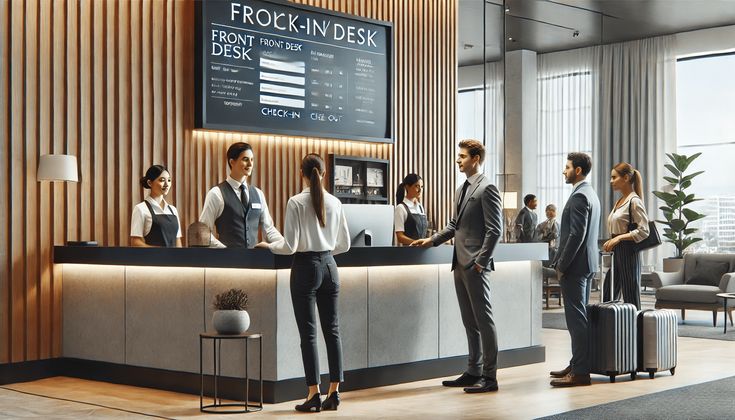
First impressions are critical in hospitality. Personalized check-in experiences help establish emotional connections immediately.
Front desk staff can:
- Greet returning guests by name
- Offer preferred room types
- Acknowledge special occasions
- Address previous feedback proactively
For example, if a guest previously reported noise concerns, the hotel can automatically assign a quieter room during future visits. These small details create memorable experiences and demonstrate genuine attentiveness.
In-Room Personalization
Modern hotel technology allows rooms to adapt according to guest preferences.
Smart Room Features
Hotels can personalize:
- Room temperature
- Lighting settings
- Entertainment preferences
- Welcome messages
- Minibar selections
Customized Amenities
Guests appreciate personalized touches such as:
- Preferred beverages
- Allergy-friendly pillows
- Personalized welcome gifts
- Customized dining recommendations
These experiences help hotels stand out in highly competitive markets.
Using CRM Systems for Hotel Personalization
Customer Relationship Management (CRM) systems play a major role in hospitality personalization strategies. CRM platforms collect, organize, and analyze guest data to help hotels automate communication and improve customer engagement.
Benefits of Hotel CRM Systems
A hospitality CRM can help hotels:
- Segment guests effectively
- Automate marketing campaigns
- Track guest preferences
- Improve loyalty programs
- Increase repeat bookings
Solutions like Bookboost help hotels unify guest data from multiple channels and create more personalized guest interactions.
Real-Time Guest Segmentation
Guest segmentation allows hotels to group travelers based on behavior, preferences, or booking patterns.
Common Guest Segments
Hotels often segment guests into categories such as:
- Business travelers
- Families
- Luxury travelers
- Wellness-focused guests
- Long-stay visitors
Each segment can receive tailored offers and communication.
For example:
- Business travelers may receive express check-in options
- Families may receive activity packages
- Wellness travelers may receive spa promotions
Real-time segmentation increases marketing efficiency and improves guest engagement.
Data-Driven Loyalty Programs
Traditional loyalty programs often rely only on points and discounts. Modern loyalty strategies use guest data to provide personalized rewards.
Personalized Loyalty Benefits
Hotels can reward guests based on actual behavior, such as:
- Complimentary spa access for wellness travelers
- Dining rewards for frequent restaurant visitors
- Room upgrades for high-value guests
Personalized loyalty programs create stronger emotional connections and encourage repeat stays.
Automating Guest Communication
Automation helps hotels maintain personalized communication at scale.
Pre-Arrival Communication
Hotels can automate:
- Check-in instructions
- Upgrade offers
- Weather updates
- Personalized travel tips
Post-Stay Communication
After checkout, hotels can send:
- Thank-you emails
- Feedback requests
- Loyalty offers
- Future booking discounts
Automated communication keeps guests engaged even after their stay ends.Cross-Property Personalization for Hotel Chains
Large hotel groups often struggle to maintain consistent guest experiences across multiple properties. Unified guest data systems solve this challenge by sharing guest profiles between locations.
Benefits of Cross-Property Personalization
Guests can enjoy:
- Consistent room preferences
- Personalized recommendations
- Seamless loyalty recognition
- Familiar service standards
When guests feel recognized across multiple properties, trust and loyalty increase significantly.
The Role of Artificial Intelligence in Hotel Personalization
Artificial intelligence is becoming increasingly important in hospitality personalization.
AI-Powered Recommendations
AI systems can analyze:
- Booking patterns
- Spending behavior
- Guest preferences
- Online reviews
This allows hotels to deliver highly accurate recommendations in real time.
Chatbots and Virtual Assistants
AI-powered chatbots help hotels:
- Respond instantly to guest requests
- Offer personalized recommendations
- Improve customer support efficiency
Advanced AI systems are helping hotels create faster, smarter, and more personalized guest interactions.
Privacy and Data Security Challenges
While personalization offers many benefits, hotels must handle guest data responsibly.
Key Privacy Considerations
Hotels should:
- Obtain guest consent for data collection
- Protect customer information securely
- Comply with data protection regulations
- Use transparent privacy policies
Guests are more willing to share data when they trust hotels to manage it responsibly. Strong cybersecurity and ethical data practices are essential for long-term success.
Common Challenges Hotels Face with Personalization
Despite its benefits, personalization can be difficult to implement effectively.
Data Silos
Guest information often exists across disconnected systems, making it difficult to build unified guest profiles.
Technology Limitations
Some hotels lack advanced CRM systems or analytics tools needed for personalization.
Staff Training
Technology alone is not enough. Employees must understand how to use guest insights to create meaningful interactions.
Scaling Personalization
Maintaining personalized experiences across large hotel groups requires strong systems and operational consistency.
Best Practices for Successful Hotel Personalization
Hotels can maximize personalization success by following several best practices.
Centralize Guest Data
Integrate PMS, CRM, POS, and marketing platforms into a unified system.
Focus on Relevance
Only provide recommendations that genuinely match guest interests and behaviors.
Train Employees
Ensure staff members understand how to use guest insights professionally and naturally.
Balance Automation with Human Interaction
Automation improves efficiency, but genuine human hospitality remains essential.
Continuously Analyze Performance
Monitor guest feedback, conversion rates, and loyalty engagement to improve personalization strategies continuously.
The Future of Personalized Hospitality
The future of hospitality will become even more data-driven and customer-centric. Hotels will increasingly use:
- Artificial intelligence
- Predictive analytics
- Smart room technology
- Voice assistants
- Real-time personalization engines
As technology evolves, guests will expect seamless, hyper-personalized experiences throughout every stage of their journey.
Hotels that successfully combine data, technology, and human service will gain a major competitive advantage in the hospitality market.
Conclusion
Personalizing hotel guest experiences with data has become one of the most powerful strategies in modern hospitality. By collecting and analyzing guest insights, hotels can create customized journeys that improve satisfaction, strengthen loyalty, and increase revenue.
From personalized check-ins and smart upselling to automated communication and AI-driven recommendations, data enables hotels to understand guests on a deeper level and deliver memorable experiences that feel genuinely tailored.
However, successful personalization requires more than technology alone. Hotels must combine intelligent data systems with well-trained staff, operational consistency, and strong privacy practices. Businesses that embrace data-driven hospitality today will be better positioned to meet the evolving expectations of tomorrow’s travelers.
