

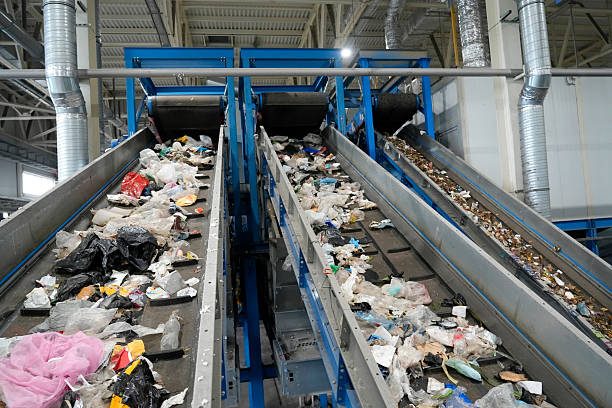
China’s environmental infrastructure sector continues to evolve as municipalities and industries increasingly prioritize waste management efficiency, recycling systems, and sustainable urban development. According to a study published by Vyansa Intelligence, the China Waste Sorting Equipment Market size is valued at USD 107 million in 2025 and is projected to reach USD 216 million by 2032, growing at a CAGR of 10.56% from 2026 to 2032. The China Waste Sorting Equipment Market growth is being supported by rising urbanization, increasing recycling initiatives, expanding waste management infrastructure, and growing investment in automation-driven environmental technologies.
Urbanization and Waste Generation Are Increasing Infrastructure Demand
Rapid urban development across China continues increasing pressure on municipal waste management systems. This shift is significantly influencing China Waste Sorting Equipment Market trends across recycling facilities, municipal waste treatment plants, industrial waste processing centers, and smart waste management systems.
Growing population density and rising consumption levels are contributing to higher waste generation volumes across residential, commercial, and industrial sectors.
Municipal authorities increasingly prioritize advanced waste sorting technologies capable of improving recycling efficiency, reducing landfill dependency, and supporting sustainable urban management strategies.
Automated waste sorting systems are becoming increasingly important for managing large-scale waste streams more effectively while improving operational productivity.
The broader expansion of modern waste management infrastructure is expected to remain an important long-term market driver.
Recycling Initiatives Continue Supporting Market Growth
Recycling expansion remains one of the strongest contributors to China Waste Sorting Equipment Market growth. Governments and industries increasingly focus on improving material recovery rates and supporting circular economy initiatives.
Waste sorting equipment plays a critical role in separating plastics, paper, metals, glass, organic waste, and industrial materials within recycling facilities.
Advanced sorting systems help improve processing speed, reduce contamination levels, and increase recycling efficiency across waste management operations.
Industries increasingly seek automated technologies capable of supporting sustainable manufacturing practices and resource recovery initiatives.
The growing emphasis on environmental sustainability and waste reduction is expected to continue strengthening long-term market opportunities.
According to the Ministry of Ecology and Environment, sustainable waste management and environmental protection remain important priorities within China’s long-term ecological development strategy.
Automation and Artificial Intelligence Are Transforming Waste Sorting Operations
Technology innovation continues shaping China Waste Sorting Equipment Market forecast developments. Automated sorting technologies equipped with artificial intelligence, robotics, optical sensors, and machine vision systems are becoming increasingly important within modern recycling operations.
Smart sorting systems can rapidly identify and separate materials based on composition, color, size, and recyclability. These capabilities help improve operational accuracy and reduce manual labour dependency.
Artificial intelligence-driven analytics are also improving material recovery efficiency and operational optimization within waste management facilities.
Automation technologies are becoming especially valuable in large-scale urban recycling environments where processing efficiency and scalability are critical operational priorities.
The broader digital transformation of environmental infrastructure is expected to continue supporting market expansion.
Industrial Waste Management Is Creating Additional Opportunities
Industrial sectors remain major contributors to China Waste Sorting Equipment Market trends. Manufacturing facilities, construction projects, electronics industries, and packaging operations all generate substantial waste streams requiring efficient processing and material recovery systems.
Industrial operators increasingly prioritize waste segregation technologies designed to improve sustainability performance and reduce environmental impact.
Construction and demolition waste management is also becoming increasingly important as infrastructure development continues expanding across urban regions.
Manufacturers are increasingly investing in integrated recycling systems capable of supporting resource efficiency and long-term operational sustainability.
The broader focus on industrial environmental compliance is expected to continue strengthening demand for advanced waste sorting technologies.
The United Nations Environment Programme continues emphasizing sustainable waste management, recycling systems, and circular economy development as important components of long-term environmental sustainability.
Smart Cities and Sustainable Infrastructure Are Supporting Adoption
Smart city development continues influencing China Waste Sorting Equipment Market growth strategies. Municipal authorities increasingly integrate waste management modernization into broader urban sustainability and infrastructure planning initiatives.
Smart waste collection systems, connected recycling infrastructure, and automated material recovery facilities are becoming more visible within urban environmental management strategies.
IoT-enabled monitoring systems and data analytics platforms are helping municipalities improve waste collection efficiency and optimize recycling operations.
Sustainable infrastructure investment is expected to remain a major factor supporting long-term demand for intelligent waste sorting solutions.
Environmental Regulations Are Encouraging Technology Investment
Regulatory focus on environmental protection continues shaping China Waste Sorting Equipment Market forecast expansion. Waste reduction initiatives, recycling mandates, and environmental sustainability targets are encouraging stronger investment in advanced sorting technologies.
Industries increasingly seek equipment capable of supporting regulatory compliance while improving operational efficiency and reducing landfill dependency.
Waste segregation requirements and stricter environmental monitoring standards are also increasing demand for automated recycling infrastructure.
The broader emphasis on environmental responsibility is expected to continue strengthening market growth across municipal and industrial sectors.
Product Innovation and Equipment Efficiency Are Driving Competition
Innovation remains central to China Waste Sorting Equipment Market trends as manufacturers compete through automation capabilities, processing efficiency, and sustainability-focused technology development.
Manufacturers are introducing robotic sorting systems, optical separation technologies, AI-driven analytics platforms, and energy-efficient waste processing equipment designed to improve operational performance.
High-speed sorting capabilities, modular system designs, and predictive maintenance technologies are becoming increasingly important competitive differentiators.
Companies are also focusing heavily on improving material recovery accuracy and reducing operational costs to strengthen long-term adoption across waste management facilities.
Future Outlook
The China Waste Sorting Equipment Market forecast points toward continued expansion supported by recycling infrastructure growth, automation adoption, urban sustainability initiatives, and increasing environmental awareness.
As municipalities and industries continue prioritizing efficient waste management and circular economy strategies, waste sorting equipment manufacturers are expected to focus heavily on artificial intelligence integration, smart automation systems, and advanced recycling technologies. Smart city development, industrial sustainability programs, and environmentally focused infrastructure investment are likely to shape the next phase of market growth.
