

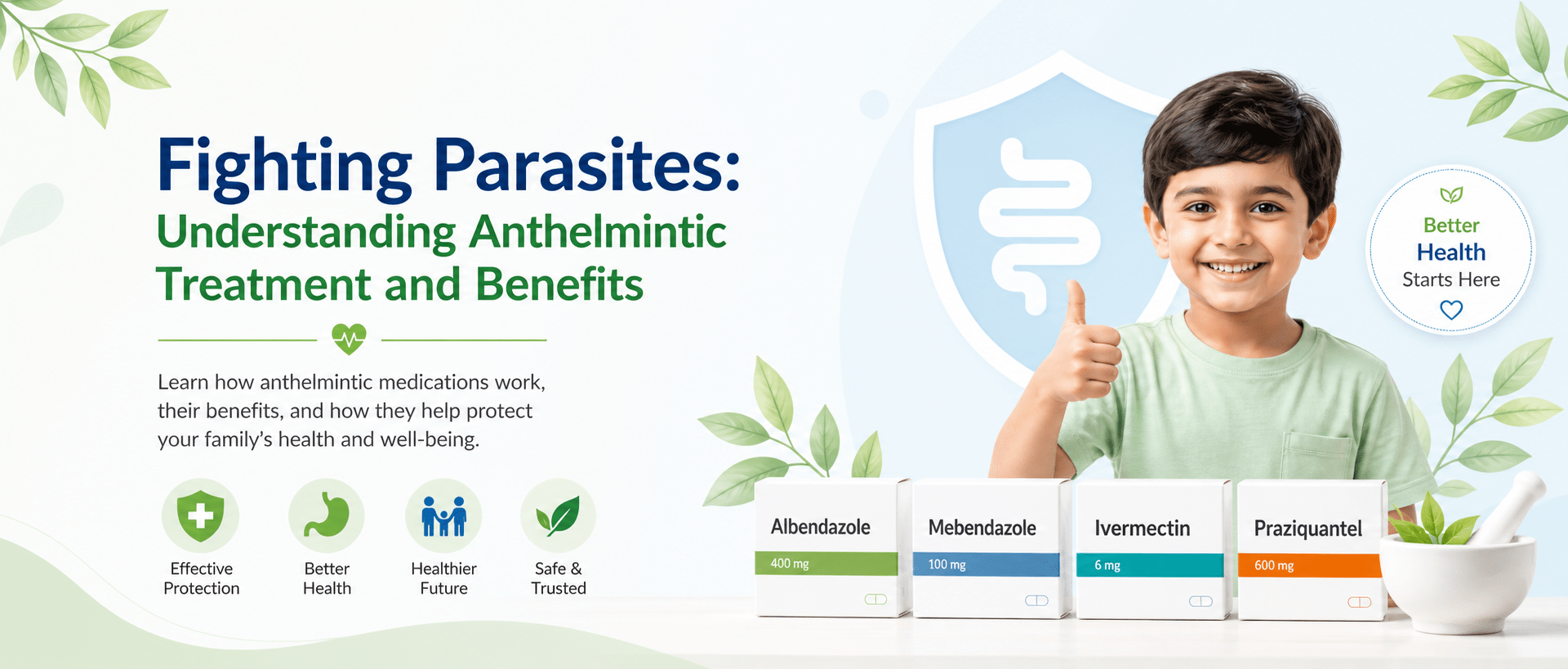
Parasite prevalence is significantly underestimated, especially in poor sanitation and food safety. Parasitic infections may be unnoticed in many people, but can be devastating. Malnutrition, stunted growth, and organ damage can occur, especially in children. This is where anthelmintics can be vital.
What Are Parasites?
Parasites are organisms that depend on a host for survival. These include helminths, which are many organisms that can have devastating effects on children. Infection can occur in a variety of ways:
- Contaminated food and water
- Contact with soil
- Poor hygiene
- Undercooked food
Children are especially vulnerable as their hygiene is more variable and their immune systems are less developed.
What Is Anthelmintic Treatment?
Anthelmintic refers to the medication that is used for the purpose of killing or tearing away parasitic infections, worms, etc., to clear away the infections. These medicines target the worms through the metabolism, nervous system, or other systems that can be affected. These provide the least collateral damage to the host.
Common Anthelmintic Medications
- Albendazole
- Mebendazole
- Ivermectin
- Praziquantel
Each of these medications is used for certain parasitic infections. Some infections can be treated with a single dose, while more severe infections may take weeks to cure.
What Are the Mechanisms of Action for Anthelmintics?
Anthelmintic medications utilize different mechanisms of action, including:
- Easing the body’s process of elimination via paralysis of the worms
- Starving the worms by impeding their absorption of nutrition
- Causing a breach of the parasitic elements’ exoskeleton to aid their eventual demise
- Medicines like Ivermectin offer paralysis via interference of nerve signals, while Albendazole prevents uptake of nutrition through G1/G2 blockade of glucose
Clinical Presentation of Parasitic Infections
The presentation of parasitic infections is more individualized, typifying the different rungs of the infection’s severity. Common presentations include:
- Abdominal distention with discomfort
- Irregularity of bowels with resultant diarrhea or constipation
- Cachexia
- Weakness or lethargy
- Perianal pruritus, more so in pinworm infestations
- Occasional Enterobius in the stools
These infections can cause chronic derangements more evident as anemia or insidious cognitive dysfunction or growth deprivation in children.
The Scope of Anthelmintic Therapy
Anthelmintic therapy is effective in improving a patient’s clinical presentation in a variety of ways:
1. Elimination of Pathogenetic Organisms
The major incentive for seeking therapy is the vital expulsion of worms, thereby arresting the cycle of infection in the host.
2. Improvement of Nutritional Status
The removal of parasitic infections leads to better absorption of vitamins and minerals essential for improving nutritional status.
3. Increased Growth and Development
De-worming children has been associated with increased growth and better attendance at school.
4. Improved Immune Function
Treatment of chronic parasitic infections helps balance and sustain immune function.
5. Prevention of Complications
Treatment helps prevent complications such as bowel obstruction or even sepsis that can lead to multiple organ failure.
Mass Deworming Programs
A number of countries participate in large-scale deworming initiatives to reduce the prevalence of parasitic infections in at-risk populations. The World Health Organization encourages periodic deworming of children living in endemic locations.
These initiatives are cost-effective and improve overall health, especially in rural and disadvantaged populations.
Safety and Side Effects
When used as directed, anthelmintic medications are relatively safe. However, they may occasionally cause:
- Nausea
- Headache
- Dizziness
- Temporary abdominal discomfort
The risk of severe side effects increases if medications are misused or taken without proper diagnosis. Always consult a trained medical practitioner before beginning treatment.
Preventing Parasitic Infections
Treatment is important, but prevention is equally critical. Infections can be minimized by:
- Washing hands before every meal
- Cooking food thoroughly, especially meat and fish
- Drinking purified or boiled water
- Avoiding walking barefoot in potentially contaminated soil
- Maintaining proper sanitation and hygiene
In high-risk areas, frequent deworming is also recommended.
Natural vs Medical Treatments
Some natural remedies such as garlic, papaya seeds, and herbal extracts are often promoted as treatments for parasites. However, these claims are often not scientifically justified.
Anthelmintic medications remain safe, effective, and scientifically validated treatments. Relying solely on home remedies may delay proper care and worsen the condition.
Potential Reasons for a Doctor’s Visit
Seek medical attention if:
- Symptoms do not improve as expected
- There is intense abdominal pain
- Blood is present in stool
- A child shows signs of poor health, malnutrition, or stunted growth
Diagnostic tests, including stool analysis or bloodwork, may be required.
Additional Tip
Parasitic infections can be life-changing and are often associated with stigma. Anthelmintic treatment should be strongly recommended and combined with good hygiene practices to improve patient outcomes.
People and communities may face barriers due to stigma or lack of funding, but access to deworming is a basic health right.
