

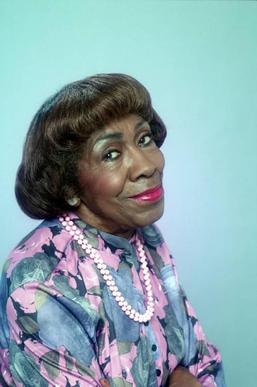
Helen Martin remains one of the most respected and beloved actresses in American television and film history. Known for her powerful presence, comedic timing, and authentic portrayals of strong women, Martin built a legacy that continues to influence actors and audiences today. Over a career that spanned more than five decades, she broke barriers for African American performers and left an unforgettable mark on the entertainment industry.
Early Life and Background
Helen Dorothy Martin was born on July 23, 1909, in St. Louis, Missouri, United States. Raised during a time when opportunities for African Americans—especially women—were limited, Martin developed a passion for performance early in life. She attended Tennessee State University, where she studied drama and music, laying the foundation for what would become an extraordinary career.
Before entering Hollywood, Martin worked in theater and radio. She was actively involved in the cultural arts scene and participated in stage productions that celebrated African American culture and storytelling. Her early experiences in theater helped her refine the expressive acting style and strong stage presence that later defined her on-screen performances.
Breaking Into Film and Television
Helen Martin began appearing in films during the 1950s, often playing supporting roles that showcased her natural charisma and humor. While many roles available to African American actors at the time were limited and stereotypical, Martin brought depth and authenticity to every character she portrayed.
Her early film appearances helped establish her reputation as a reliable and talented performer. Even in small roles, Martin had the ability to capture the audience’s attention with her expressive facial reactions, confident delivery, and natural comedic rhythm.
As television grew in popularity during the 1960s and 1970s, Martin found new opportunities to reach wider audiences. She appeared in numerous television shows, gradually becoming a recognizable and familiar face on American screens.
Rise to Fame in Television Comedy
Helen Martin gained widespread recognition for her work in television sitcoms, where her comedic abilities truly shined. She had a unique talent for delivering sharp humor while maintaining warmth and relatability.
One of her most memorable roles came in the hit sitcom Good Times, where she portrayed the lively and outspoken neighbor Wanda. Her appearances were brief but unforgettable, often bringing energy and humor to the show’s storylines.
Later in her career, Martin became especially beloved for her role as Pearl Shay in the popular sitcom 227. As the wise and witty grandmother figure, she provided comedic relief while also portraying a caring and grounded character. Her performance resonated with audiences, making Pearl one of the show’s most memorable personalities.
Martin’s characters were often bold, humorous, and unapologetically confident—qualities that helped challenge stereotypes and present more nuanced representations of African American women on television.
Contributions to African American Representation
Beyond her individual performances, Helen Martin played an important role in expanding opportunities for African American actors in Hollywood. She worked during an era when the entertainment industry offered limited roles to Black performers, yet she managed to build a long and respected career.
Martin’s characters often reflected the strength, humor, and resilience found within many real-life communities. Rather than playing passive or background roles, she frequently portrayed outspoken and independent women who commanded attention.
Her success helped demonstrate that audiences embraced diverse stories and characters. In doing so, Martin contributed to a gradual shift toward more inclusive representation in television and film.
Longevity in the Entertainment Industry
One of the most remarkable aspects of Helen Martin’s career was its longevity. While many actors struggle to maintain relevance across decades, Martin continued working well into her later years.
Her ability to adapt to changing trends in television allowed her to remain active in the industry. Whether appearing in classic sitcoms, films, or guest roles, she consistently delivered performances filled with charm and personality.
Even younger viewers who discovered her through reruns and later projects appreciated her talent and comedic timing. Her work transcended generations, helping her maintain a lasting presence in popular culture.
Personal Life and Character
Off-screen, Helen Martin was known for her dedication to her craft and her commitment to community and cultural arts. She believed in the importance of storytelling as a way to preserve history and inspire future generations.
Despite her success, Martin remained humble and focused on the joy of performing. Colleagues often described her as professional, supportive, and deeply passionate about acting.
Her positive influence extended beyond the screen, as she encouraged aspiring actors—particularly African American performers—to pursue their dreams despite obstacles.
Final Years and Passing
Helen Martin continued acting into the late stages of her life, proving her enduring love for the craft. She passed away on March 25, 2000, at the age of 90 in Los Angeles, California.
Her passing marked the end of a remarkable era in television history. However, her performances remain preserved in film archives and television reruns, allowing new audiences to appreciate her work.
Lasting Legacy
Helen Martin’s legacy is defined by resilience, talent, and cultural impact. She was more than just a talented actress; she was a pioneer who helped reshape how African American women were portrayed in mainstream media.
Her performances brought laughter, warmth, and authenticity to audiences around the world. Through her work, she demonstrated that strong character acting and genuine storytelling could leave a lasting impression.
Today, Helen Martin is remembered as a trailblazer whose contributions to television and film paved the way for future generations of performers. Her legacy continues to inspire actors, writers, and audiences who value powerful storytelling and meaningful representation.
