

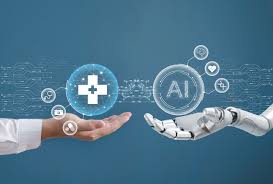
The healthcare industry is undergoing a data-driven transformation. In 2026, healthcare analytics is at the center of this transformation. The rapid advancement of digital health technologies, artificial intelligence, and connected devices has enabled organizations to utilize analytics for decision-making and predictive care. These emerging trends are transforming how healthcare services are delivered and operations are managed.
The top emerging trends shaping healthcare analytics in 2026 are as follows:
1. AI-Powered Predictive and Prescriptive Analytics
One of the most notable trends in healthcare analytics is the emergence of AI-driven predictive and prescriptive analytics. Healthcare organizations are increasingly relying on machine learning models to analyze data and predict potential health risks. Many healthcare providers are also seeking healthcare analytics services to implement effective AI-driven solutions. Predictive analytics enables early disease detection and supports preventive care. Prescriptive analytics goes a step further by recommending specific treatments.
2. Real-Time Data Analytics and Continuous Monitoring
The transition from reactive to proactive care is being fueled by the power of real-time data analytics. With the integration of wearable devices, IoT systems, and remote monitoring tools, it is now possible to monitor patient health in real time.
Real-time data enables immediate intervention in patient care. For instance, patients with diabetes and heart conditions can be monitored remotely.
Continuous monitoring has made healthcare a 24/7 ecosystem in which analytics systems can detect anomalies and alert healthcare providers instantly.
3. Interoperability and Unified Data Ecosystems
Data fragmentation is not new in healthcare. However, in 2026, interoperability is strongly emphasized, enabling seamless data exchange among hospitals, clinics, and digital platforms. To understand patient behavior and industry trends, healthcare organizations are increasingly using healthcare market research services in addition to their own data strategies.
Today, advanced analytics systems utilize a unified data ecosystem that combines electronic health records, images, lab results, and patient-generated data. This provides a comprehensive view of the patient’s journey. Better interoperability not only improves care coordination but also ensures that analytics is conducted on accurate and complete data.
4. Rise of Generative AI in Healthcare Analytics
Generative AI (GenAI) is changing how data in the healthcare industry is processed and used. It improves the way data is summarized.
Healthcare professionals can now automate documentation and generate important data insights. In 2026, GenAI is becoming a key part of analytics platforms, helping make smarter and quicker decisions in the healthcare system.
5. Synthetic Data for Privacy and Innovation
Data privacy is a concern in healthcare analytics. To solve this challenge, healthcare organizations are using synthetic data, which consists of artificial datasets that resemble real patient data.
The use of synthetic data in healthcare enables organizations to deploy AI models, conduct research, and operate globally without compromising data privacy. This supports innovation while ensuring adherence to strict data protection regulations. It also helps address data scarcity, especially in research on rare diseases.
6. Personalized and Precision Medicine
Healthcare analytics is also playing an important role in the progress toward personalized medicine. By analyzing genetic information, lifestyle patterns, and clinical history, analytics platforms are able to tailor treatments to specific patients. This improves treatment effectiveness and minimizes adverse reactions. This is particularly impactful in oncology, chronic disease management, and mental health. In 2026, hyper-personalized care is expected to be the norm, driven by analytics and AI.
7. Automation of Administrative and Clinical Workflows
Healthcare analytics is not restricted to clinical domains but is also revolutionizing operational efficiency. AI-based analytics solutions can automate processes such as billing, coding, claims, and documentation.
This not only decreases operational costs but also helps address workforce shortages. The development of agentic AI, capable of handling complex multi-step processes, is further fueling operational efficiency in 2026.
8. Focus on Data Governance and Ethical AI
With advances in healthcare analytics, the importance of data governance and ethical AI is rising. Organizations are focusing more on transparency, explainability, and accountability in AI models.
Regulatory compliance and trust are essential in the healthcare sector, which is highly sensitive. In 2026, healthcare providers are focusing more on governance frameworks to ensure the responsible use of data and AI technologies. This trend is essential for building trust among patients and stakeholders.
9. Expansion of Virtual Care and Digital Health Platforms
The expansion of telemedicine and digital health platforms is creating vast datasets that are driving the growth of healthcare analytics. Virtual care and digital health platforms are becoming mainstream.
Healthcare analytics is being used to measure patient engagement and treatment adherence in virtual care. The expansion of virtual care and digital health platforms is making healthcare more accessible, particularly in rural and underserved areas.
Conclusion
In 2026, healthcare analytics is expected to shift from being an enabling function to being an innovation driver. This shift is driven by the integration of AI, real-time data, interoperability, and advanced analytics, which are changing how healthcare is delivered and managed.
For example, trends such as predictive analytics, personalized medicine, AI governance, and others are creating a smarter, more efficient, and patient-centric healthcare system. Organizations embracing these emerging trends are likely to thrive in the future of healthcare.
Healthcare analytics will remain at the core of healthcare transformation, leveraging its full potential to save lives.
