

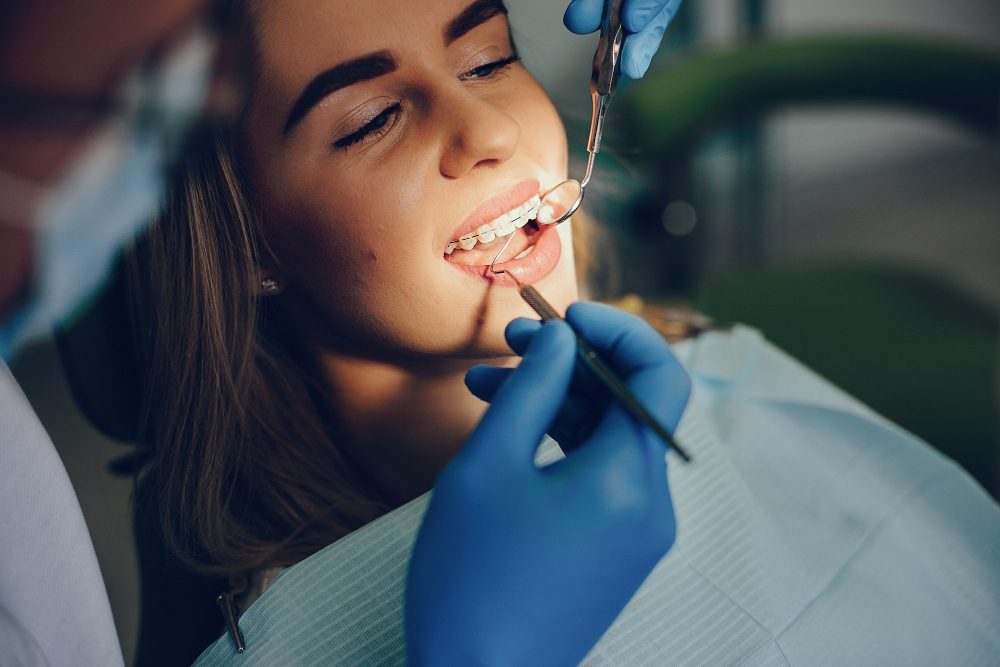
When a tooth becomes weak due to decay or extensive dental procedures, it becomes vulnerable to further damage and even tooth loss. Fortunately, modern dentistry offers an effective solution – dental crowns. These custom-made restorations not only restore the strength and function of a tooth but also act as a protective shield against additional harm.
In this blog, we’ll explore how dental crowns work, why they are recommended for weak teeth, and how they help preserve your oral health for the long term.
What Are Dental Crowns?
Dental crowns are tooth-shaped caps that are placed over a damaged or weakened tooth. They are designed to restore the tooth’s size, shape, strength, and appearance. Crowns are typically made from durable materials such as porcelain, ceramic, zirconia, or metal alloys, depending on the patient’s needs and the location of the tooth.
Once placed, the crown fully covers the visible portion of the tooth above the gum line, creating a strong outer layer that protects the natural tooth underneath.
Why Do Teeth Become Weak?
Teeth can lose their strength for several reasons. Understanding these causes helps explain why dental crowns are often necessary.
1. Tooth Decay: Severe cavities can destroy a large portion of the tooth structure, leaving it fragile and prone to breaking.
2. Large Fillings: When a tooth has a large filling, there may not be enough natural structure left to support it, making the tooth weak.
3. Root Canal Treatment: After a root canal, the tooth becomes more brittle because the pulp inside has been removed, reducing its natural strength.
4. Wear and Tear: Over time, teeth can wear down due to aging, grinding, or acidic foods, weakening their structure.
How Dental Crowns Protect Weak Teeth
Dental crowns are one of the most reliable ways to protect compromised teeth. Here’s how they help:
1. Providing Structural Support
A dental crown acts like a protective shell around the weakened tooth. It reinforces the remaining structure and prevents it from breaking under pressure. This is especially important for teeth that have undergone major procedures like root canals.
2. Preventing Further damage
If a tooth has a damage, it can continue to spread over time, potentially leading to severe damage or even tooth loss. A crown holds the tooth together and prevents the damage from worsening.
3. Restoring Full Function
Weak teeth often make it difficult to chew or bite properly. Dental crowns restore the tooth’s strength, allowing you to eat comfortably without worrying about causing damage.
4. Protecting Against Decay
By covering the entire tooth, a crown acts as a barrier against bacteria and food particles. This helps reduce the risk of further decay, especially in teeth that have already been compromised.
5. Reducing Sensitivity
Weak or damaged teeth can be highly sensitive to hot, cold, or sweet foods. A crown provides insulation, minimizing sensitivity and improving overall comfort.
6. Preventing Tooth Loss
Without proper protection, a weak tooth may eventually break beyond repair and require extraction. Dental crowns help preserve the natural tooth, avoiding the need for more complex treatments like implants or bridges.
The Dental Crown Procedure: What to Expect
Getting a dental crown is a straightforward process that typically involves two visits to the dentist.
Step 1: Examination and Preparation
The dentist examines the tooth and removes any decay or damaged areas. The tooth is then reshaped to make room for the crown.
Step 2: Impressions
An impression of the prepared tooth is taken to create a custom-fit crown. A temporary crown may be placed to protect the tooth while the permanent one is being made.
Step 3: Crown Placement
During the second visit, the permanent crown is fitted, adjusted, and cemented into place. Once secured, it looks and functions like a natural tooth.
In some cases, advanced technology allows for same-day crowns, eliminating the need for multiple visits.
Types of Dental Crowns for Protection
Different materials offer varying levels of strength and aesthetics. Your dentist will recommend the best option based on your needs.
- Porcelain or Ceramic Crowns – Ideal for front teeth due to their natural appearance
- Zirconia Crowns – Extremely strong and durable, suitable for both front and back teeth
- Metal Crowns – Highly durable and resistant to wear, often used for molars
- Porcelain-Fused-to-Metal (PFM) – Combines strength and aesthetics
Long-Term Benefits of Dental Crowns
Investing in a dental crown offers several long-term advantages:
- Durability – With proper care, crowns can last 10–15 years or longer
- Improved Appearance – Crowns enhance the look of damaged or discolored teeth
- Enhanced Oral Health – Protecting weak teeth prevents further complications
- Cost-Effective – Prevents the need for more expensive treatments in the future
How to Care for Your Dental Crown
Maintaining your dental crown is essential for ensuring its longevity and effectiveness.
Practice Good Oral Hygiene: Brush twice a day and floss daily to keep the surrounding teeth and gums healthy.
Avoid Hard Foods: Chewing on ice, hard candies, or other tough foods can damage the crown.
Wear a Night Guard (if needed): If you grind your teeth at night, a night guard can protect both your crown and natural teeth.
Regular Dental Checkups: Routine visits allow your dentist to monitor the condition of your crown and address any issues early.
When Do You Need a Dental Crown?
You may need a dental crown if you experience:
- A damage or fractured tooth
- Severe tooth decay
- A tooth weakened after a root canal
- A worn-down tooth
- A large filling that compromises tooth strength
If left untreated, these issues can worsen, leading to more serious dental problems.
Final Thoughts
Dental crowns play a crucial role in protecting weak teeth from further damage. By providing strength, stability, and protection, they help preserve your natural teeth and maintain your oral health. Whether your tooth has been damaged by decay or wear, a dental crown offers a reliable and long-lasting solution.
If you suspect that you have a weak or damaged tooth, it’s important to seek professional dental care promptly. Early intervention with a dental crown can save your tooth and prevent more complex treatments down the line.
Taking care of your teeth today ensures a healthier, stronger smile for years to come.
