

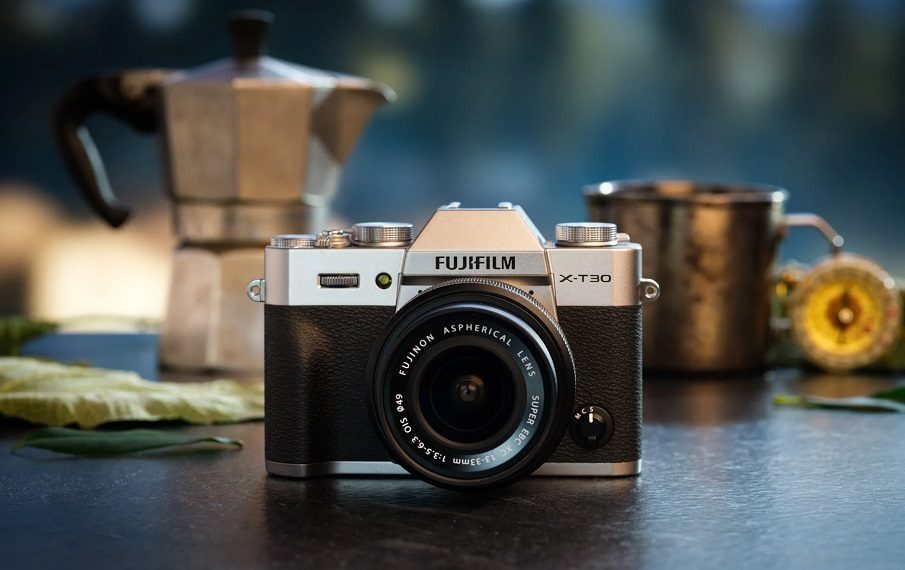
Commercial photography requires precision, clarity, and professional-level image quality. Whether photographing products, fashion, food, or corporate portraits, the equipment used in the studio plays a crucial role in achieving the desired results. One of the most important pieces of equipment for professional photographers is the camera itself.
Choosing the right studio camera can significantly influence image sharpness, color accuracy, and overall workflow efficiency. With numerous options available in today’s photography market, understanding the essential features and specifications can help photographers select the most suitable equipment for their commercial projects.
Understanding the Requirements of Commercial Photography
Commercial photography differs from casual photography because it is created for professional use, such as advertising, marketing, and branding.
Images produced for commercial purposes must meet high standards of:
- Resolution
- Color accuracy
- Detail reproduction
- Lighting compatibility
A well-chosen studio camera allows photographers to meet these professional requirements while maintaining a consistent workflow.
Types of Cameras Used in Studio Photography
There are several types of cameras commonly used in professional studio environments. Each type has its advantages depending on the project.
DSLR Cameras
Digital Lens cameras have long been popular among photographers due to their reliability and versatility.
Advantages include:
- Interchangeable lenses
- Strong battery performance
- Wide accessory compatibility
However, modern photographers increasingly consider mirrorless systems for studio work.
Mirrorless Cameras
Mirrorless cameras have become extremely popular because of their advanced technology and compact design.
Benefits include:
- High-resolution sensors
- Real-time exposure preview
- Silent shooting modes
- Faster autofocus systems
Brands like Fujifilm offer a wide range of X-series mirrorless cameras known for their excellent color science and compact performance.
Many professional photographers use mirrorless cameras for commercial work because they combine portability with powerful imaging capabilities.
Large Format Cameras
In certain specialised commercial photography applications, photographers use a large-format camera because it offers extraordinary image detail and control.
Large-format systems allow photographers to adjust the lens and sensor planes, which helps control perspective and depth of field. This makes them ideal for architectural and product photography where precision is essential.
Brands like Fujifilm also offer advanced models such as the GFX100S II, which bring large-format quality into a modern mirrorless design.
Although they require more setup time, they deliver unmatched image quality.
Resolution and Megapixels
Resolution plays a significant role in commercial photography because images are often used in large prints, billboards, and advertising materials.
Higher megapixel counts allow photographers to:
- Capture finer details
- Crop images without losing quality
- Produce large-format prints
Dynamic Range
Dynamic range refers to the camera’s ability to capture detail in both bright highlights and dark shadows.
A wide dynamic range is essential for studio photography because it ensures that lighting adjustments produce natural-looking results.
Good dynamic range helps maintain detail in:
- White backgrounds
- Dark product surfaces
- Complex textures
Color Accuracy
Colour accuracy is especially important for commercial photography involving products, fashion, and branding.
Customers expect products to appear exactly as they are in real life. A camera with strong colour science and accurate colour reproduction helps ensure that images meet these expectations.
Proper colour accuracy reduces editing time and maintains consistency across projects.
Lighting Compatibility
Studio photography relies heavily on artificial lighting such as:
- Softboxes
- Strobes
- Continuous lights
- Reflectors
A professional camera should integrate easily with lighting systems and support features such as flash synchronisation.
Reliable lighting compatibility ensures smooth operation during complex studio setups.
Tethered Shooting Capabilities
Tethered shooting allows the camera to connect directly to a computer or monitor. Images are instantly displayed on a larger screen, making it easier to evaluate focus, composition, and lighting.
Benefits of tethered shooting include:
- Faster workflow
- Immediate quality checks
- Improved collaboration with clients and art directors
Many commercial photographers rely on tethered shooting for high-end projects.
Budget Considerations
Studio cameras vary widely in price depending on their features and capabilities.
Entry-Level Options
These cameras offer solid performance for beginner photographers starting commercial work.
Mid-Range Cameras
Mid-range cameras provide better sensors, higher resolution, and improved performance.
Professional Systems
High-end systems, including a large-format camera, deliver exceptional image quality but often come with a higher cost.
Choosing the right option depends on the photographer’s needs, project requirements, and budget.
Future-Proofing Your Investment
Technology evolves rapidly in the photography industry. When choosing a camera, it is wise to consider future needs.
Features that help future-proof a camera investment include:
- High-resolution sensors
- Firmware update support
- Advanced connectivity options
Investing in modern technology ensures that the equipment remains useful for years.
Workflow Integration
Professional photographers often rely on editing software and digital asset management systems.
A good studio camera should integrate smoothly with common software platforms used for editing and post-production.
Efficient workflow integration saves time and improves productivity.
Conclusion
Choosing the right camera for commercial photography requires careful consideration of multiple factors, including sensor size, resolution, colour accuracy, and compatibility with studio lighting systems. A high-quality studio camera enables photographers to capture detailed, professional images that meet the demanding standards of commercial clients.
For projects that require exceptional detail and precision, a large-format camera can provide unparalleled image quality and control. However, the best choice ultimately depends on the photographer’s style, workflow, and budget.
