

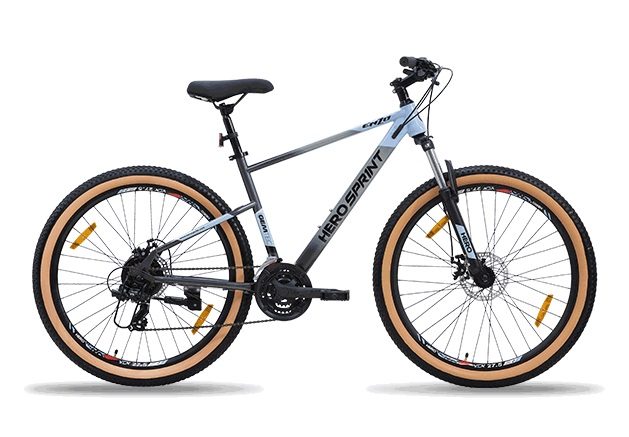
Mountain biking is one of the most exciting and challenging forms of cycling. Unlike smooth city roads, mountain trails demand strength, balance, endurance, and advanced riding techniques. Whether you are riding through forest paths, rocky hills, or muddy tracks, mastering certain core skills can dramatically improve your safety and performance.
For beginners and experienced riders alike, developing the right techniques ensures that every ride is smoother, more controlled, and far more enjoyable. If you ride an mtb bicycle, learning these essential skills can help you tackle rough terrain confidently while reducing the risk of accidents.
1. Mastering Bike Balance
Balance is the foundation of mountain biking. Trails often include uneven ground, roots, rocks, and sudden elevation changes. Riders must stay stable even when the bike moves unpredictably.
How to Improve Balance
- Practice slow riding on flat surfaces.
- Try standing on the pedals while keeping the bike steady.
- Ride along narrow paths or marked lines.
Learning to balance properly allows you to navigate technical trails and sharp turns without losing control.
2. Proper Body Position
Body positioning determines how well you handle different terrains. Many beginners ride stiffly, which reduces their ability to react quickly.
Key Positioning Techniques
Neutral Position
This is used on smooth sections of the trail. Your body should be relaxed with slightly bent elbows and knees.
Ready Position
Used for rough terrain, this position involves standing on the pedals with hips slightly back and arms bent to absorb shocks.
Maintaining proper posture helps riders control an mtb bicycle effectively on challenging trails.
3. Efficient Braking Techniques
Braking incorrectly can cause skidding or even accidents on steep slopes.
Important Braking Tips
- Use both front and rear brakes together.
- Avoid sudden braking on loose surfaces.
- Shift your body weight slightly backward when descending.
Practicing controlled braking improves stability and prevents wheel lockups.
4. Climbing Hills Efficiently
Climbing is one of the most demanding aspects of mountain biking. Without the right technique, riders quickly lose energy.
Hill Climbing Strategies
- Shift to lower gears before the climb begins.
- Keep your body slightly forward to maintain traction.
- Maintain a steady pedaling rhythm instead of sprinting.
Efficient climbing conserves energy and helps you maintain momentum.
5. Safe Descending Skills
Descending steep trails can feel intimidating, especially for beginners. However, with practice, downhill riding becomes one of the most thrilling parts of mountain biking.
Descending Tips
- Keep your pedals level.
- Shift your weight backward slightly.
- Look ahead rather than at the front tire.
Confidence and control are key to handling downhill sections safely.
6. Cornering Techniques
Sharp turns appear frequently on mountain trails. Poor cornering can cause riders to lose speed or slide off the trail.
How to Corner Correctly
- Slow down before entering the turn.
- Lean the bike, not your body.
- Keep the outside pedal down for stability.
Practicing cornering improves speed and control during trail rides.
7. Gear Shifting Skills
Using the right gear at the right moment helps maintain pedaling efficiency.
Basic Gear Rules
- Lower gears for climbs.
- Higher gears for flat terrain.
- Shift before reaching difficult sections.
Smooth gear changes reduce strain on the bike and improve overall performance.
8. Trail Awareness
Mountain biking requires constant awareness of the environment.
Riders Should Watch For
- Loose rocks
- Tree roots
- Mud patches
- Sudden drops
Anticipating obstacles allows you to adjust speed and position in advance.
9. Line Selection
Line selection refers to choosing the best path through obstacles. Experienced riders constantly analyze terrain to find the smoothest route.
How to Improve Line Selection
- Look several meters ahead on the trail.
- Avoid large rocks and deep ruts.
- Choose the path with the most traction.
Good line selection helps maintain momentum and prevents sudden impacts.
10. Pumping Technique
Pumping involves using body movement to generate speed without pedaling.
This technique is especially useful on rolling trails and pump tracks.
Benefits of Pumping
- Saves energy
- Maintains speed
- Improves bike control
It also enhances overall trail flow.
11. Basic Jumping Skills
Many mountain trails include small drops or jumps. Learning controlled jumping techniques improves confidence and safety.
Beginner Jump Tips
- Approach jumps with moderate speed.
- Pull the handlebars gently upward.
- Land with bent knees and elbows.
Start with small features before attempting larger jumps.
12. Riding Over Obstacles
Obstacles such as logs and rocks are common on trails.
Techniques to Cross Obstacles
- Lift the front wheel slightly.
- Shift your weight backward.
- Maintain steady momentum.
This technique helps prevent the bike from getting stuck or losing balance.
Continuous Learning and Practice
Mountain biking is a skill that improves over time. Riders should regularly practice and challenge themselves with new trails.
Watching tutorials, joining cycling communities, and exploring new equipment options when you buy bicycle online can also help riders expand their knowledge and skills.
Mountain biking offers a thrilling combination of adventure, fitness, and connection with nature. However, success on the trails requires more than enthusiasm; it demands technical skills, awareness, and consistent practice.
By mastering balance, braking, climbing, cornering, and obstacle handling, riders can transform their experience on an mtb bicycle and navigate challenging terrain with confidence. Learning essential techniques, maintaining your equipment, and staying physically prepared ensure that every ride is safe and rewarding.
