

Introduction
The rapid advancement of technology has significantly transformed the way people interact with the world around them. From simple digital tools to highly intelligent systems, modern innovations are shaping every aspect of daily life and industry. As connectivity increases and systems become more intelligent, technology is no longer just a support tool but a driving force behind efficiency, productivity, and innovation. This evolution is paving the way for smarter environments, where devices, systems, and users are seamlessly interconnected.
The Rise of Intelligent Connectivity
One of the most impactful developments in modern technology is the rise of intelligent connectivity. Devices are now capable of communicating with each other through networks, enabling automation and real-time decision-making. This interconnected environment allows systems to gather and analyze data, creating more responsive and adaptive solutions.
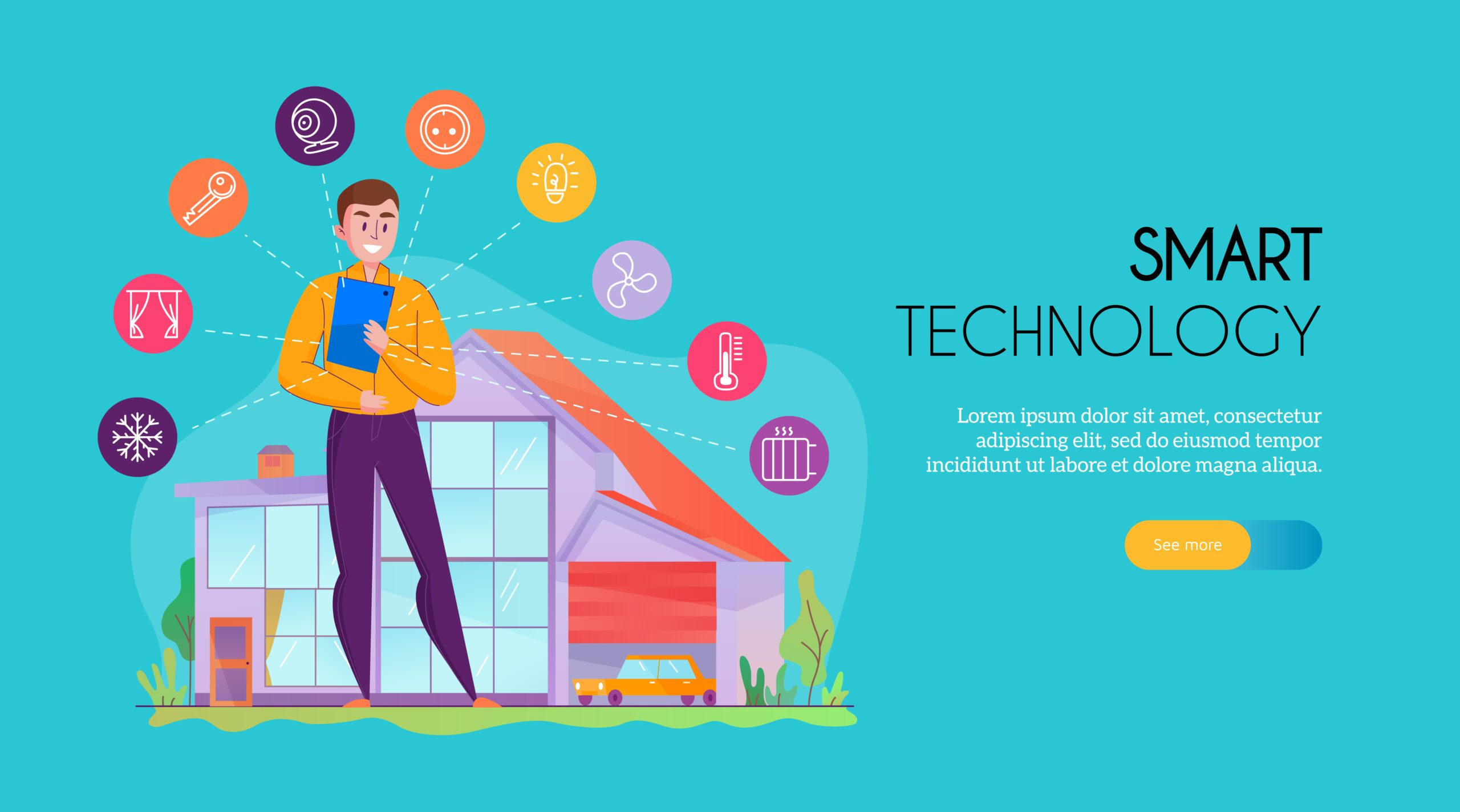
Smart homes are a prime example of this transformation. From automated lighting to intelligent security systems, connected devices are enhancing convenience and safety. These systems are designed to learn user behavior and optimize performance accordingly, making everyday tasks more efficient and personalized.
Role of IoT in Modern Innovation
The Internet of Things has become a cornerstone of technological progress. It connects devices across various platforms, enabling seamless data exchange and smarter operations. Industries such as healthcare, agriculture, and transportation are leveraging IoT to improve efficiency and reduce operational costs.
Organizations working as an IoT Development Company play a crucial role in designing and implementing these connected solutions. By developing scalable and secure IoT ecosystems, they enable businesses to monitor operations, analyze performance, and make data-driven decisions. This has led to increased productivity and improved service delivery across multiple sectors.
Advancements in Industrial Automation
Industrial automation is another area where technology has made significant strides. Modern manufacturing processes rely on advanced systems that can operate with minimal human intervention. Robotics, sensors, and intelligent software are working together to streamline production and enhance precision.
Automation not only reduces errors but also improves overall efficiency. Systems can operate continuously, monitor performance in real time, and adapt to changing conditions. This results in higher productivity and better resource management, making industries more competitive in a global market.
Importance of Embedded Systems
Embedded systems are at the core of many modern technologies. These systems are designed to perform specific tasks within larger devices, ensuring smooth and efficient operation. From consumer electronics to industrial machinery, embedded solutions are essential for delivering reliable performance.
To meet the growing demand for advanced functionalities, businesses often rely on Embedded Software Development services. These services focus on creating customized software that integrates seamlessly with hardware components. This ensures optimal performance, energy efficiency, and enhanced system capabilities, making them a critical part of modern technological development.
Impact on Healthcare Technology
The healthcare industry has experienced a major transformation due to technological advancements. Smart devices and connected systems are enabling real-time monitoring of patient health, improving diagnosis and treatment processes. Wearable devices, for instance, provide continuous health data, allowing individuals to track their well-being more effectively.
Telemedicine has also gained popularity, offering remote consultations and reducing the need for physical visits. This not only improves accessibility but also helps in managing healthcare resources more efficiently. Technology is playing a vital role in enhancing patient care and streamlining medical operations.
Data Security and Privacy Challenges
As technology continues to evolve, data security and privacy have become critical concerns. Connected systems generate vast amounts of data, which must be protected from unauthorized access and misuse. Ensuring data integrity and confidentiality is essential for maintaining user trust and system reliability.
Organizations are implementing advanced security measures such as encryption, authentication protocols, and continuous monitoring to safeguard sensitive information. Regulatory frameworks are also being established to ensure compliance and protect user data. Balancing innovation with security remains a key challenge in the digital age.
Artificial Intelligence and Future Possibilities
Artificial intelligence is driving the next wave of technological innovation. By enabling machines to learn from data and make intelligent decisions, AI is transforming industries and creating new opportunities. Applications of AI can be seen in areas such as customer service, predictive analytics, and automation.
As AI continues to evolve, it will further enhance the capabilities of connected systems. Combined with advancements in computing power and connectivity, AI is expected to play a central role in shaping the future of technology. This will lead to smarter solutions that are more efficient, adaptable, and user-focused.
Conclusion
The evolution of smart technologies is reshaping the world in unprecedented ways. From connected devices to intelligent systems, technology is driving innovation across all sectors. While challenges such as data security and system complexity remain, continuous advancements are opening new possibilities for growth and development.
By embracing these technologies responsibly, businesses and individuals can benefit from improved efficiency, enhanced experiences, and greater opportunities. The future of technology lies in creating smarter, more connected environments that improve the quality of life and drive sustainable progress.
