

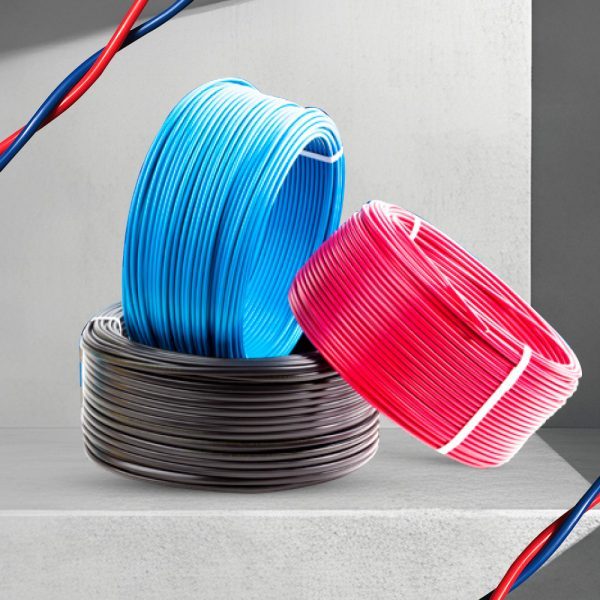
Planning new house wiring and wondering why electrical failures still occur even with modern materials? Electrical faults remain one of the leading causes of residential fires in urban homes. Most of these incidents happen because of poor wiring materials, weak insulation, and unreliable switching systems installed during construction.
While planning electrical infrastructure for a home or apartment, three elements quietly decide long-term safety and performance: quality cables, reliable wiring insulation, and durable modular switches.
Builders and electrical consultants increasingly focus on choosing trusted suppliers rather than simply comparing prices. In developing regions like Rajasthan, the demand for reliable infrastructure pushes homeowners and contractors to evaluate electrical cable manufacturers in Jaipur more carefully.
Selecting the right manufacturing quality directly impacts heat resistance, voltage stability, and the lifespan of an electrical system.
Why High-Grade Electrical Cables Decide Wiring Safety
Electrical cables carry the entire electrical load of a house. Poor quality copper strands or weak insulation immediately increase resistance, heat generation, and voltage drop.
Professional electrical contractors, therefore, examine three factors before selecting cables:
- Copper purity
- Insulation thickness
- Load carrying capacity
Copper with higher conductivity ensures smooth current flow and prevents overheating. For instance, when wiring kitchens or utility areas where appliances like induction cooktops and washing machines operate simultaneously, low-grade cables often heat up and damage insulation. High-conductivity copper cables maintain a stable temperature even under continuous load.
This is why contractors carefully evaluate electrical cable manufacturers in Jaipur who produce multi-strand copper conductors with consistent insulation layers.
Proper manufacturing ensures flexibility during installation and prevents insulation cracks when cables pass through conduits or sharp bends.
Reliable cable construction ultimately prevents hidden wiring damage that usually appears years later in the form of short circuits.
The Hidden Role of Wire Manufacturing Quality
While cables distribute power through main circuits, wires control power delivery within individual rooms and switchboards. The difference between ordinary wires and premium electrical wiring becomes visible in insulation durability and heat tolerance.
Professional electricians always recommend checking insulation material such as FR (Flame Retardant) or FRLS (Flame Retardant Low Smoke). These materials prevent fire spread in case of overheating.
For example, in modern homes where air conditioners, microwave ovens, and geysers operate simultaneously, heat accumulation inside concealed conduits becomes common. Poor insulation softens under such temperatures and exposes copper conductors.
This is why experienced contractors carefully choose reliable electrical wire manufacturers who maintain strict testing standards for insulation resistance and thermal performance.
Properly engineered wires provide:
- Stable insulation under high temperature
- Minimal voltage drop across circuits
- Long service life in concealed wiring
Strong insulation also prevents leakage current, which protects sensitive electronics such as televisions, routers, and home automation systems.
Choosing the Right Modular Switches for Modern Homes
Electrical safety does not end with cables and wires. Switches control everyday interaction with electricity, and poor switch design often leads to sparking, loose contacts, or overheating.
Modern homes increasingly adopt modular switches because they offer better contact stability, heat resistance, and aesthetic integration with interior design. When selecting top modular switches for new house wiring, electricians focus on three technical aspects:
Contact Material
High-grade switches use silver alloy contacts. These contacts reduce sparking when switching heavy appliances like water heaters or air conditioners.
Heat-Resistant Housing
Polycarbonate switch bodies resist heat deformation and prevent internal melting even after years of continuous usage.
Tight Terminal Grip
Secure terminal design ensures wires remain firmly connected without loosening due to vibration or frequent switching.
Reliable modular switch systems also allow easy replacement without disturbing the entire switchboard panel.
Why Reliable Electrical Brands Matter for Long-Term Performance
Electrical infrastructure is not something homeowners replace frequently. Once concealed wiring and switchboards are installed, changes require wall cutting and rewiring.
Because of this, builders and consultants strongly emphasise selecting trusted electrical brands that follow strict production standards.
One example is Vensor Electricals, a manufacturer known for focusing on durable electrical components designed for Indian residential load conditions. Reliable manufacturers ensure consistent copper quality, durable insulation materials, and strong contact systems in switches.
Products built under strict quality control reduce common electrical issues such as voltage fluctuation damage, switchboard overheating, and cable insulation breakdown.
For modern homes equipped with smart devices, air conditioning systems, kitchen appliances, and charging infrastructure, electrical components must support increasing load requirements without performance loss.
Key Takeaway
Home construction involves hundreds of decisions, but electrical materials remain one of the most critical. Hidden wiring determines the safety of every appliance, every switchboard, and every electrical outlet used daily.
Strong cables, reliable wires, and durable switches together create a safe electrical ecosystem. Carefully evaluating manufacturers and product quality helps avoid long-term maintenance issues and costly rewiring.
