

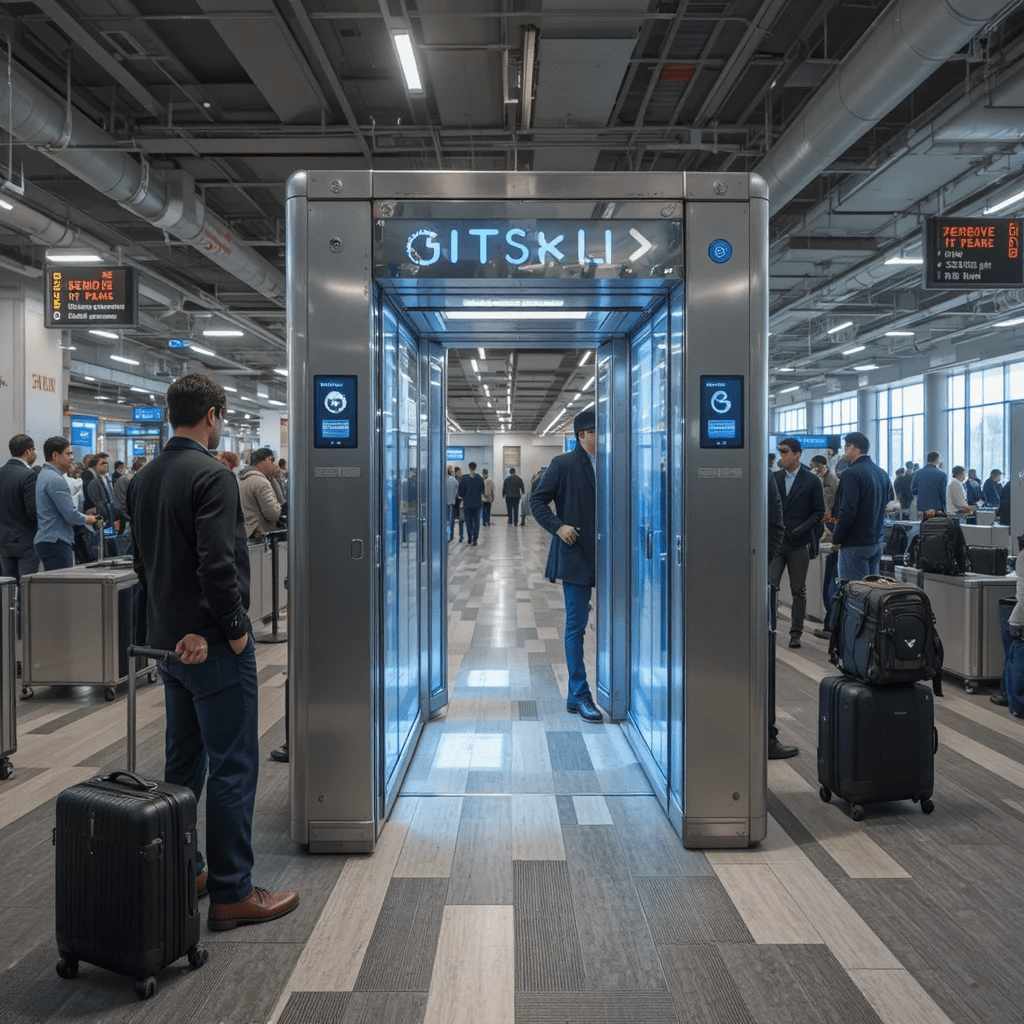
In an era where security threats are constantly evolving, organizations must adopt reliable screening technologies to safeguard people and assets. One of the most widely used and effective solutions is the baggage scanner machine, a sophisticated device designed to inspect bags, parcels, and cargo for prohibited or dangerous items. From airports and metro stations to corporate offices and industrial facilities, baggage scanning systems have become a standard requirement for maintaining safety and operational efficiency.
A baggage scanner machine uses advanced X-ray technology to generate detailed images of the contents inside luggage without physically opening it. This non-intrusive inspection method allows security personnel to detect weapons, explosives, contraband, and other hazardous materials quickly and accurately. As passenger traffic and logistics operations continue to grow, the importance of high-performance scanning systems has significantly increased.
What is a Baggage Scanner Machine?
A baggage scanner machine is an electronic security device that utilizes X-ray imaging to examine the internal structure of bags and packages. The system typically consists of an X-ray generator, a conveyor belt, detectors, image processing software, and a monitoring display.
When a bag is placed on the conveyor belt, it moves through the scanning tunnel where controlled X-ray beams pass through it. The transmitted radiation is captured by sensors and converted into digital images. These images are then displayed on a monitor for analysis by trained operators.
Modern machines often incorporate advanced image enhancement tools, automatic threat detection software, and multi-energy scanning technology to differentiate between organic, inorganic, and metallic materials.
Importance of Baggage Scanner Machines in Security Infrastructure
Security breaches can have severe consequences, especially in high-traffic public spaces. Manual inspection methods are time-consuming and prone to human error. In contrast, baggage scanner machines provide:
-
Rapid and consistent inspection
-
High-resolution imaging for accurate detection
-
Reduced physical handling of baggage
-
Improved screening efficiency
-
Enhanced safety for security personnel
In environments such as airports and railway stations, where thousands of bags are screened daily, speed and precision are critical. A baggage scanner machine ensures thorough checks without disrupting the flow of passengers.
How a Baggage Scanner Machine Works
Understanding the operational process helps highlight the effectiveness of this technology.
X-Ray Emission
The system generates low-dose X-rays that penetrate the baggage as it moves through the tunnel.
Image Formation
Detectors measure the X-rays that pass through different materials inside the bag. Based on density and composition, materials absorb radiation differently.
Digital Processing
The collected data is processed by specialized software to create a detailed image. Objects appear in various colors depending on their material type and density.
Threat Identification
Security operators analyze the displayed image to identify suspicious objects. Some advanced systems use artificial intelligence to automatically flag potential threats.
This seamless process enables quick decision-making while maintaining high security standards.
Types of Baggage Scanner Machines
Different environments require different scanning capabilities. Common types include:
Cabin Baggage Scanners
Designed for small to medium-sized luggage, these machines are commonly used at airport security checkpoints.
Cargo and Parcel Scanners
These systems are used in logistics hubs and warehouses to inspect large shipments and parcels.
High-Resolution CT Scanners
Computed Tomography scanners provide 3D imaging and enhanced threat detection, especially in aviation security.
Portable Scanners
Mobile units are deployed for temporary security arrangements such as public events or exhibitions.
Selecting the right type depends on operational requirements, risk level, and volume of baggage handled.
Key Benefits of Implementing a Baggage Scanner Machine
Organizations that invest in advanced scanning systems gain multiple advantages.
Enhanced Threat Detection
Modern imaging technology allows identification of concealed weapons, explosives, and prohibited items.
Increased Throughput
Automated systems speed up the screening process, reducing waiting times and congestion.
Non-Intrusive Inspection
Passengers and employees experience minimal inconvenience as bags are inspected without being opened.
Data Recording and Storage
Images can be stored for audit trails, compliance documentation, and future reference.
Reduced Human Error
Automated threat detection features assist operators, improving overall accuracy.
Applications Across Various Sectors
Baggage scanner machines are widely used across industries to ensure safety and regulatory compliance.
Airports and Aviation
Airports rely heavily on scanning systems to meet international safety standards and prevent dangerous items from boarding aircraft.
Public Transportation
Railway and metro stations use baggage scanners to protect passengers and maintain public order.
Government and Defense Facilities
High-security buildings implement strict screening protocols supported by advanced scanning equipment.
Corporate Offices and Industrial Plants
Enterprises use baggage scanners to protect sensitive information, assets, and infrastructure.
Hospitality and Event Venues
Hotels and convention centers deploy scanning systems during major events to enhance guest security.
Integration with Smart Security Systems
Modern baggage scanner machines are no longer standalone devices. They are increasingly integrated with advanced technologies to create comprehensive security ecosystems.
Artificial Intelligence
AI-powered software enhances threat recognition by automatically analyzing scanned images.
Network Connectivity
Scanners can be connected to centralized monitoring systems for remote supervision and data sharing.
Access Control Integration
Entry gates can be synchronized with scanning systems to allow access only after successful inspection.
Analytics and Reporting
Data collected from scans can be analyzed to identify trends, improve screening procedures, and enhance risk management strategies.
Such integration transforms traditional scanning equipment into intelligent security platforms.
Future Trends in Baggage Scanning Technology
The security industry continues to innovate, and baggage scanning technology is advancing rapidly. Future developments may include:
-
Advanced 3D imaging capabilities
-
Faster scanning speeds for high-traffic environments
-
Enhanced AI-based anomaly detection
-
Improved radiation safety standards
-
Compact and energy-efficient system designs
These innovations will further strengthen security measures while maintaining operational efficiency.
Conclusion
As global security challenges grow more complex, organizations must invest in reliable and advanced screening technologies. The baggage scanner machine plays a critical role in detecting threats, ensuring compliance, and maintaining safe environments across various sectors. Its ability to provide fast, accurate, and non-intrusive inspection makes it an essential component of modern security infrastructure.
With continuous technological advancements and integration of intelligent systems, scanning solutions are becoming smarter and more efficient. Concepts such as Traffic Enforcement Framework with Radar-Based System demonstrate how technology-driven monitoring solutions are transforming safety and compliance in different domains. Similarly, the evolution of baggage scanner machines highlights the importance of innovation in strengthening security frameworks and protecting people, assets, and infrastructure in today’s dynamic world.
