

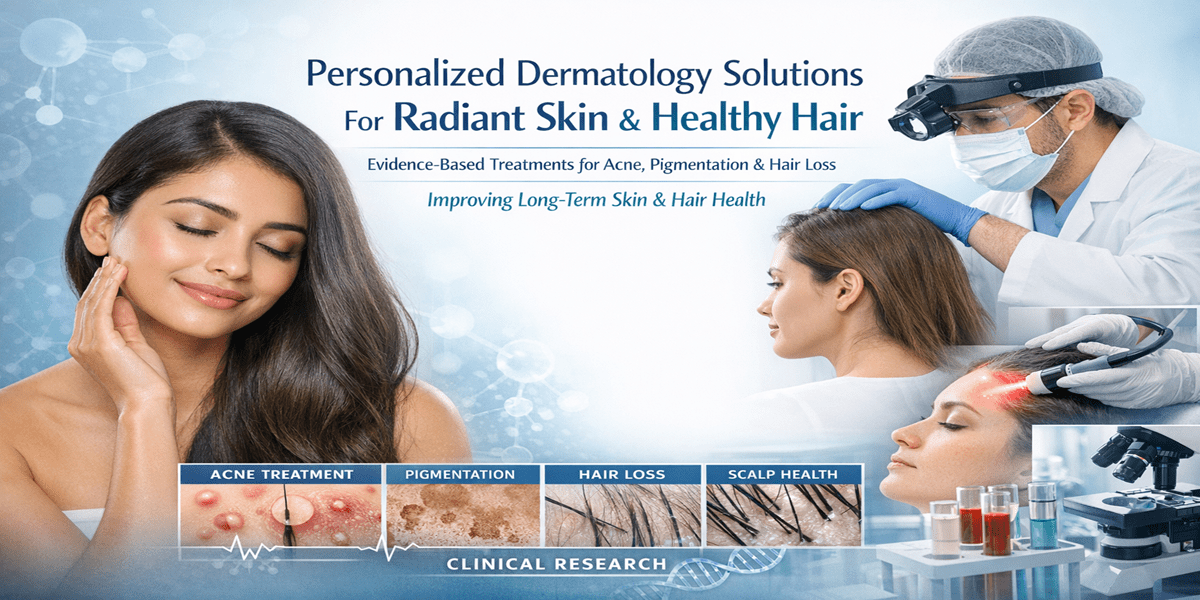
Skin and hair health are influenced by genetic, hormonal, environmental, and lifestyle factors. According to dermatological research, individualized assessment significantly improves treatment outcomes compared to generalized skincare approaches (Dreno et al., 2018). Personalized dermatology integrates clinical diagnosis, evidence-based treatments, and patient-specific planning to optimize both safety and efficacy.
This article explores the medical basis behind customized skin and hair treatments and why they produce superior long-term results.
The Scientific Basis of Personalized Dermatology
Human skin varies in:
-
Sebum production
-
Barrier function integrity
-
Melanin response
-
Inflammatory sensitivity
-
Microbiome composition
Similarly, hair disorders differ based on hormonal profiles, genetics, nutritional status, and scalp health.
A precision-based dermatological approach begins with:
-
Clinical examination
-
Dermatoscopic or trichoscopic analysis (for hair conditions)
-
Medical history evaluation
-
Laboratory investigations where required
Studies suggest that individualized treatment protocols improve adherence and patient satisfaction.
Evidence-Based Management of Common Skin Conditions
1. Acne Vulgaris
Acne affects approximately 85% of adolescents and young adults globally (Global Burden of Disease Study, 2019). It is a multifactorial inflammatory disorder involving:
-
Increased sebum production
-
Cutibacterium acnes proliferation
-
Follicular hyperkeratinization
-
Inflammatory response
Evidence-Based Treatments:
-
Topical retinoids (Thiboutot et al., 2009)
-
Benzoyl peroxide combinations
-
Oral isotretinoin for severe cases
-
Chemical peels as adjunct therapy
Personalization ensures appropriate strength selection, minimizing irritation while maximizing outcomes.
2. Hyperpigmentation & Melasma
Melasma is strongly associated with UV exposure and hormonal influences. Research published in the Journal of the American Academy of Dermatology indicates that combination therapy (topical hydroquinone, retinoids, corticosteroids) is more effective than monotherapy (Gupta et al., 2006).
Laser and light-based therapies may be recommended selectively, depending on skin type (Fitzpatrick classification), to reduce the risk of post-inflammatory hyperpigmentation.
3. Skin Barrier Dysfunction & Dehydration
A compromised skin barrier increases transepidermal water loss (TEWL). Ceramide-based moisturizers have demonstrated significant improvement in barrier repair (Chamlin et al., 2002). Hydration-focused treatments and medical-grade skincare restore structural integrity and elasticity.
Clinical Approach to Hair Disorders
1. Androgenetic Alopecia
Androgenetic alopecia (AGA) is the most common cause of hair loss worldwide. Evidence supports:
-
Topical minoxidil (Olsen et al., 2002)
-
Oral finasteride in men (Kaufman et al., 1998)
-
Platelet-Rich Plasma (PRP) therapy showing promising regenerative potential (Gentile et al., 2015)
Treatment plans vary based on gender, age, hormonal profile, and severity grading (Hamilton-Norwood scale for men, Ludwig scale for women).
2. Telogen Effluvium
Often triggered by stress, illness, or nutritional deficiency, telogen effluvium requires identification of underlying causes. Iron deficiency, thyroid dysfunction, and protein insufficiency must be evaluated before initiating therapy.
3. Scalp Disorders
Chronic seborrheic dermatitis and dandruff are associated with Malassezia yeast proliferation. Antifungal shampoos containing ketoconazole have strong clinical support.
Role of Technology in Modern Dermatology
Advancements in dermatological technology allow:
-
Dermatoscopy for enhanced lesion diagnosis
-
Laser resurfacing for scar management
-
Radiofrequency and microneedling for collagen stimulation
-
PRP for hair regeneration
Clinical literature supports that technology-assisted procedures, when performed under medical supervision, improve precision and reduce complications.
Why Personalization Improves Outcomes
Research consistently demonstrates that individualized protocols:
-
Reduce adverse reactions
-
Increase treatment adherence
-
Improve long-term remission rates
-
Enhance patient satisfaction
Precision dermatology aligns treatment intensity, duration, and modality with biological variability, leading to sustainable results.
Practical, Research-Backed Skin & Hair Health Recommendations
-
Use broad-spectrum sunscreen (SPF 30 or higher) daily (AAD Guidelines, 2020).
-
Maintain adequate protein intake (0.8–1 g/kg body weight) for hair health.
-
Avoid overuse of harsh exfoliants that compromise barrier function.
-
Seek early evaluation for persistent hair shedding beyond 3 months.
-
Avoid self-prescribing potent topical steroids.
Conclusion
Radiant skin and healthy hair are not achieved through trend-based experimentation but through structured, evidence-driven care. Clinical evaluation, personalized protocols, and scientifically validated treatments form the foundation of successful dermatological management.
An individualized approach ensures not only visible cosmetic improvement but also long-term skin and scalp health.
