

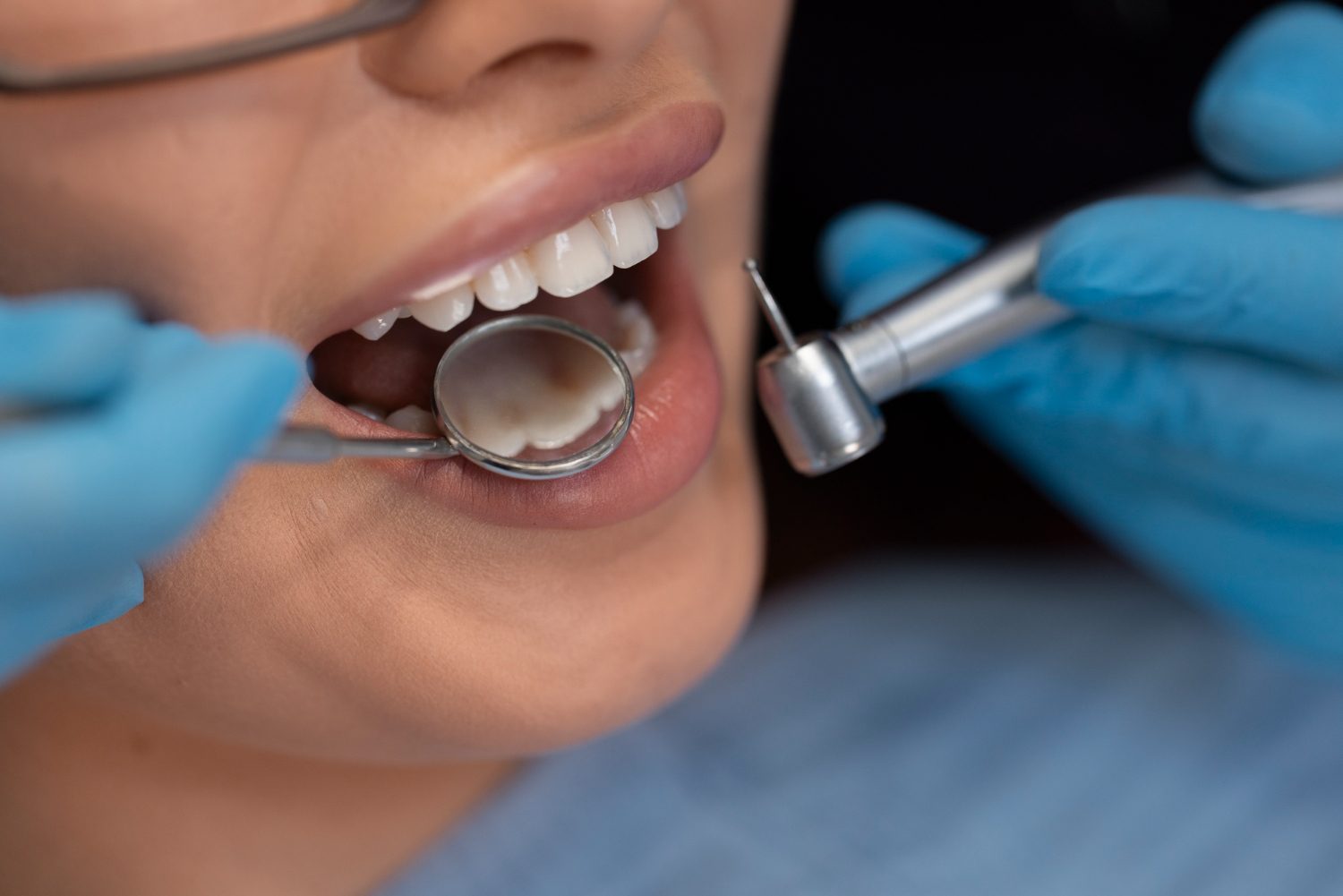
Dental pain and injuries can happen at any time. Sometimes the discomfort is mild and goes away on its own. But in many cases, waiting too long can make the problem worse. Knowing when to search for an emergency dentist near me can protect your teeth, reduce pain quickly, and prevent serious health complications.
In this article, we will explain the most important warning signs you should never ignore. If you experience any of the symptoms below, it may be time to look for an emergency dentist near me right away.
What Is a Dental Emergency?
A dental emergency is any oral health issue that requires immediate attention to:
- Stop severe pain
- Control bleeding
- Save a tooth
- Treat an infection
- Prevent further damage
Unlike routine dental visits, emergency dental care focuses on urgent problems that cannot wait for a regular appointment.
1. Severe Tooth Pain That Won’t Go Away
Tooth pain is one of the most common reasons people search for an emergency dentist near me. Mild sensitivity may not be urgent, but severe, constant, or throbbing pain is different.
You should seek immediate care if:
- The pain lasts more than a few hours
- Pain wakes you up at night
- Over-the-counter medication does not help
- The pain spreads to your jaw, ear, or head
Persistent tooth pain often indicates deep decay, nerve damage, or infection. Ignoring it can lead to more serious complications.
2. Knocked-Out Tooth
A knocked-out tooth is always a dental emergency. Acting quickly can sometimes save the tooth.
If this happens:
- Pick up the tooth by the crown (not the root).
- Rinse it gently without scrubbing.
- Try to place it back into the socket if possible.
- If not, store it in milk or saliva.
- Search immediately for an emergency dentist near me.
Time is critical. Seeing a dentist within 30–60 minutes gives the best chance of saving the tooth.
3. Broken or Chipped Tooth
Not every chipped tooth is an emergency, but deep borken or large breaks can expose nerves and cause pain.
Warning signs include:
- Sharp pain when chewing
- Sensitivity to hot or cold
- Visible breaking or missing piece
- Bleeding around the tooth
If the damage is significant, do not delay. An emergency dentist near me can repair the tooth with bonding, a crown, or other treatments to prevent further damage.
4. Swelling in the Face or Jaw
Facial swelling is often a sign of infection. A dental abscess is a serious condition that can spread if untreated.
Seek immediate dental care if you notice:
- Swelling in your cheek or jaw
- Fever
- Bad taste in your mouth
- Difficulty swallowing
- Pus around the gums
An untreated infection can spread to other parts of the body. This is not something to wait on. Searching for an emergency dentist near me immediately can prevent serious health risks.
5. Uncontrolled Bleeding
Bleeding after brushing or flossing is usually mild. However, heavy or continuous bleeding is different.
You should seek emergency care if:
- Bleeding lasts more than 10–15 minutes
- Bleeding occurs after an injury
- You see large amounts of blood
Dental trauma from accidents, falls, or sports injuries may cause internal damage. Immediate attention from an emergency dentist near me is essential.
6. Lost Filling or Crown
A lost filling or crown may not always seem urgent, but it exposes the inner part of the tooth to bacteria and damage.
You should not wait too long if:
- The tooth becomes sensitive
- There is pain when chewing
- The exposed area feels sharp
Temporary dental cement from a pharmacy can provide short-term relief, but you should still schedule a visit with an emergency dentist near me as soon as possible.
7. Dental Abscess or Gum Infection
A dental abscess is a pocket of pus caused by infection. This condition requires urgent care.
Symptoms include:
- Severe pain
- Swelling
- Fever
- Swollen lymph nodes
- A small bump on the gums
An abscess will not heal on its own. Immediate treatment from an emergency dentist near me can prevent the infection from spreading to your bloodstream.
8. Injury to Soft Tissues
Injuries to the lips, cheeks, tongue, or gums can also be dental emergencies.
You should seek help if:
- The wound is deep
- Bleeding does not stop
- There is severe swelling
- The injury resulted from trauma
Soft tissue injuries may require stitches or further treatment. Prompt evaluation is important.
9. Difficulty Opening Your Mouth or Swallowing
If you experience difficulty opening your mouth, swallowing, or breathing due to dental pain or swelling, seek care immediately. These symptoms may indicate a serious infection or inflammation that requires urgent treatment.
In these cases, searching for an emergency dentist near me should be your next step.
When It May Not Be an Emergency
Not all dental issues require immediate care. Minor sensitivity, small chips without pain, or mild gum irritation can usually wait for a regular appointment.
However, if you are unsure, it is always better to contact a dental professional. Many dental clinics can guide you over the phone and determine whether you need urgent care.
Why Acting Quickly Matters
Delaying emergency dental care can lead to:
- Increased pain
- Spread of infection
- Tooth loss
- More expensive treatments
- Complications affecting overall health
Early treatment is often simpler, less painful, and more affordable.
How to Prepare for a Dental Emergency
While emergencies are unexpected, you can take steps to be prepared:
- Keep your dentist’s contact information saved in your phone
- Maintain regular dental checkups
- Wear a mouthguard during sports
- Practice good oral hygiene
Prevention reduces the risk of urgent dental problems, but knowing when to search for an emergency dentist near me is equally important.
Final Thoughts
Dental emergencies can happen without warning. Severe pain, swelling, bleeding, knocked-out teeth, and infections are all signs that require immediate attention. Ignoring these symptoms can lead to serious complications.
If you experience any of the warning signs discussed above, do not wait. Search for an emergency dentist near me right away to protect your oral health and prevent further damage.
Quick action can save your smile — and sometimes even your health.
