

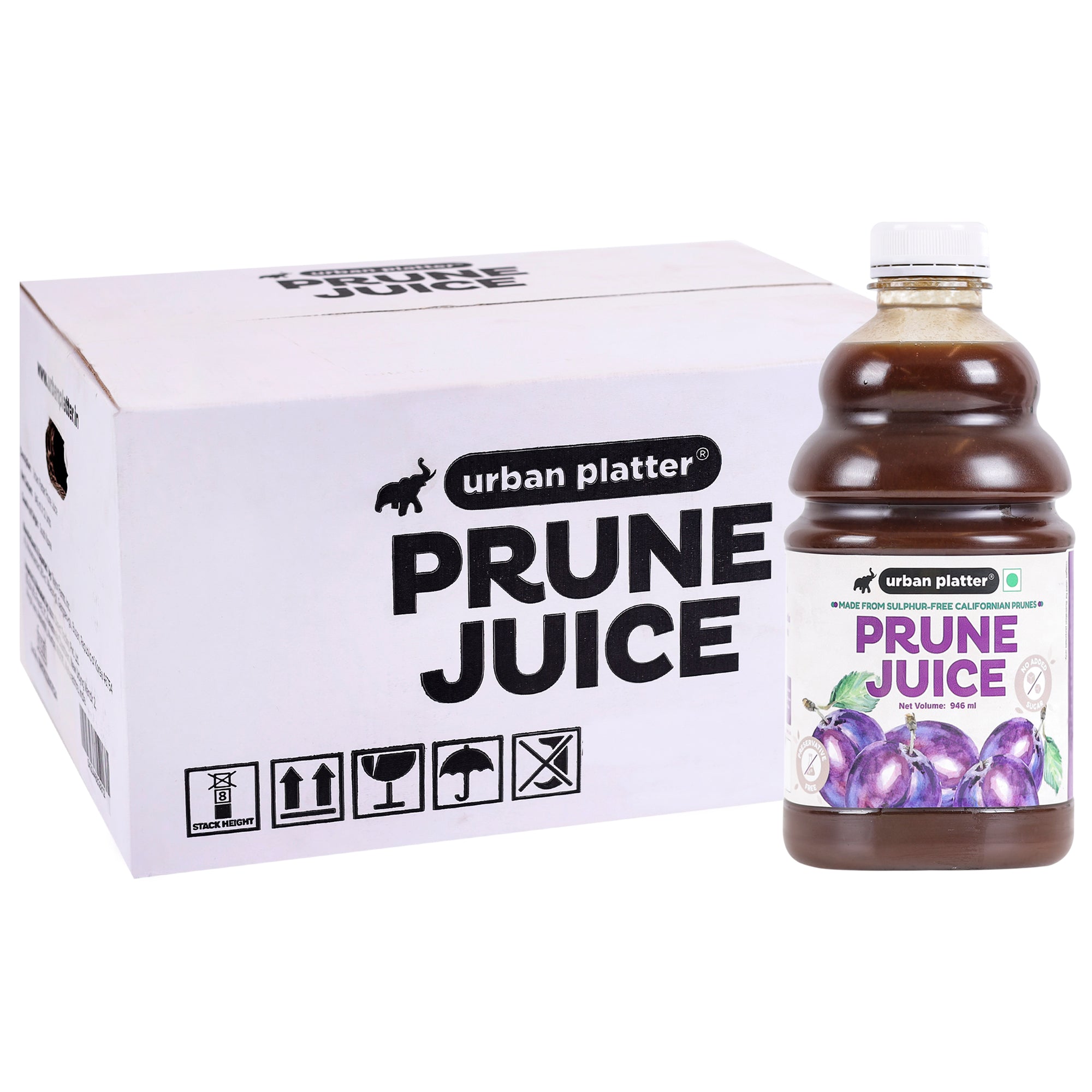
Iron deficiency anemia is one of the most common nutritional deficiencies globally, leading many to seek out “superfoods” and natural remedies to boost their red blood cell count. Among the various fruit juices touted for their health benefits, prune juice often enters the conversation.
But is prune juice actually a viable solution for anemia, or is its reputation more rooted in its famous digestive benefits? To understand its role, we have to look at the chemistry of iron, the nutritional profile of the dried plum, and how the body absorbs minerals.
Understanding the Iron Connection
Anemia occurs when your blood lacks enough healthy red blood cells or hemoglobin. Since iron is a primary component of hemoglobin, an iron-deficient diet is a leading cause. Iron in food comes in two forms:
- Heme Iron: Found in animal products (meat, fish, poultry). It is highly bioavailable, meaning the body absorbs it easily.
- Non-Heme Iron: Found in plant-based sources (grains, beans, nuts, and fruits like prunes). This form is harder for the body to absorb on its own.
The Nutritional Breakdown of Prune Juice
Prune juice is a concentrated extract of dried plums. While most people associate it with fiber and laxative effects (thanks to its sorbitol content), it is surprisingly dense in minerals.
On average, a one-cup (240ml) serving of prune juice contains approximately 3 mg of iron. To put that into perspective:
- The Recommended Dietary Allowance (RDA) for adult men is about 8 mg.
- The RDA for adult women (pre-menopause) is about 18 mg.
- A single glass of prune juice provides roughly 17–38% of your daily requirement, depending on your gender and age.
Why Prune Juice is Good for Anemia
1. High Non-Heme Iron Content
Compared to other fruit juices, prune juice is an “iron heavyweight.” While orange juice or apple juice may have negligible amounts, prune juice provides a meaningful contribution toward your daily goal. For vegetarians or vegans who do not consume heme iron, prune juice can be a vital supplementary source.
2. The Power of Vitamin C
Iron cannot work alone. Non-Heme iron requires Vitamin C (ascorbic acid) to be converted into a form that the small intestine can absorb. Many commercial prune juices are fortified with Vitamin C, or they naturally contain small amounts. This synergy makes the iron in the juice more “bioavailable” than it would be in a dry supplement pill taken with water.
3. Energy Boosting Carbohydrates
Anemia is characterized by profound fatigue and lethargy. Prune juice contains natural sugars and potassium, which provide a quick energy lift without the “crash” associated with processed sodas. This can help combat the sluggishness that often accompanies low hemoglobin levels.
4. Copper and Vitamin B6
Prune juice contains trace amounts of copper and Vitamin B6. Copper is essential because it helps the body move iron from tissues into the bloodstream to form hemoglobin. Without copper, iron can become “trapped,” rendering it useless for red blood cell production.
The “Absorption Gap”: Limitations to Consider
While prune juice is a great tool, it isn’t a “magic bullet” for severe anemia. There are several factors to keep in mind:
- Absorption Efficiency: Because it is non-heme iron, your body may only absorb between 2% and 20% of the iron present in the juice.
- The “Inhibitor” Problem: If you drink prune juice alongside coffee or tea, the tannins and polyphenols in those beverages can block iron absorption by up to 50% or more.
- Sugar Content: Prune juice is high in natural calories and sugar. Drinking excessive amounts to hit iron targets could lead to unwanted weight gain or blood sugar spikes.
How to Maximize the Benefits
If you are using prune juice to help manage mild anemia or maintain healthy iron levels, follow these tips to get the most out of every glass:
- Pair with Citrus: Drink your prune juice with a squeeze of lemon or alongside a few slices of orange. The extra Vitamin C significantly boosts iron uptake.
- Timing Matters: Consume prune juice between meals rather than with them, especially if your meal contains calcium (like cheese or milk), which can inhibit iron absorption.
- Watch the Serving Size: Stick to one 8-ounce glass per day. This provides a solid iron boost without overstimulating the digestive tract.
Comparison Table: Prune Juice vs. Other Sources
| Source (1 Cup / Serving) | Iron Content (mg) | Iron Type |
| Prune Juice | 3.0 mg | Non-Heme (Plant) |
| Spinach (Cooked) | 6.4 mg | Non-Heme (Plant) |
| Beef Steak (3 oz) | 2.1 mg | Heme (Animal) |
| Lentils (Cooked) | 6.6 mg | Non-Heme (Plant) |
| White Tuna (3 oz) | 1.0 mg | Heme (Animal) |
A Note of Caution
Anemia can sometimes be a symptom of a more serious underlying condition, such as internal bleeding or malabsorption issues. Prune juice is a dietary supplement, not a medical cure. If you are experiencing extreme paleness, shortness of breath, or chest pain, it is vital to consult a healthcare professional for a blood test.
Final Verdict
Is prune juice good for anemia? Yes. It is one of the most iron-rich liquids available and offers a host of secondary nutrients that support blood health. While it shouldn’t replace medical treatment for severe cases, it is an excellent, natural addition to an iron-conscious diet.
