

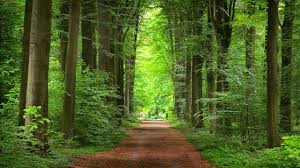
As climate extremes intensify across the globe, forests are facing unprecedented pressure. Wildfires are growing more severe, droughts are lasting longer, and invasive species are spreading into once-stable ecosystems. Yet amid these challenges, a new environmental movement is gaining momentum in 2026: the creation of climate-resilient forests. massageliege elektrisch
Unlike traditional reforestation, which often focused simply on planting large numbers of trees, climate-resilient forestry emphasizes biodiversity, ecological balance, and long-term adaptation. Scientists, conservationists, and Indigenous leaders are working together to design forests that can withstand future climate conditions while supporting wildlife and local communities.
This evolving approach represents one of the most important nature stories of the year.
Moving Beyond Traditional Tree Planting
For decades, tree planting campaigns were viewed as a straightforward solution to environmental degradation. While well-intentioned, many projects relied on monocultures—planting a single fast-growing species across vast areas. Although such forests can absorb carbon in the short term, they often lack resilience.
In contrast, today’s climate-smart restoration strategies focus on diversity. Mixed-species forests are better equipped to survive pests, disease outbreaks, and temperature extremes. Deep-rooted native species can stabilize soil, improve water retention, and create layered habitats for birds and mammals.
This shift is especially visible in countries investing heavily in ecological restoration.
Europe’s Push for Diverse Woodlands
Across Germany, foresters are replacing vulnerable spruce monocultures with mixed stands of beech, oak, and fir. Severe droughts over the past decade exposed the fragility of single-species plantations, prompting a nationwide rethink.
Similarly, France has expanded its climate-adaptive forestry programs, encouraging landowners to plant species suited to projected 2050 climate conditions rather than past weather patterns. By integrating scientific climate models into forest planning, managers are building landscapes that anticipate change rather than react to disaster.
In Finland, researchers are experimenting with assisted migration—introducing tree species from slightly warmer regions to prepare northern forests for rising temperatures. These carefully monitored trials are helping determine which species combinations offer the greatest resilience.
North America’s Fire-Resilient Landscapes
Wildfire seasons have intensified in parts of United States and Canada, reshaping forest management strategies. In western states, restoration crews are thinning overly dense forests and reintroducing controlled burns to reduce fuel loads.
At Yosemite National Park, fire ecologists are blending modern science with traditional land stewardship practices. Low-intensity prescribed burns clear underbrush, allowing mature trees to survive natural fire cycles. These efforts not only protect nearby communities but also restore habitats for species adapted to periodic fires.
In California, policymakers are funding large-scale reforestation projects designed with future climate projections in mind. Seed selection now considers heat tolerance and drought resistance, ensuring newly planted forests can endure decades of environmental stress.
Indigenous Knowledge at the Forefront
One of the most significant developments in 2026 is the growing recognition of Indigenous land management expertise. For thousands of years, Indigenous communities have practiced cultural burning, rotational harvesting, and ecosystem stewardship.
In Australia, Aboriginal ranger programs are restoring savanna landscapes using controlled fire techniques that reduce catastrophic wildfires while promoting biodiversity. These programs are increasingly supported by national environmental agencies.
In Brazil, Indigenous guardians of the Amazon rainforest monitor deforestation and protect biodiversity hotspots. Studies consistently show that forests under Indigenous stewardship often have lower deforestation rates than other protected areas.
By combining traditional ecological knowledge with satellite monitoring and climate science, conservationists are building forest systems that reflect both ancestral wisdom and modern innovation.
Technology Transforming Restoration
Advances in technology are accelerating the pace and precision of forest restoration.
Drones equipped with seed-dispersal systems can plant thousands of seeds in difficult terrain within hours. AI-powered mapping tools analyze soil quality, rainfall patterns, and species distribution to guide planting strategies.
In Kenya, conservation organizations are using satellite imagery to identify degraded landscapes suitable for restoration. Data-driven insights ensure that resources are directed to areas with the highest ecological impact.
Meanwhile, blockchain-based carbon tracking systems are increasing transparency in reforestation funding. Investors and governments can now verify that restoration projects are delivering measurable carbon storage and biodiversity gains.
Restoring Wildlife Corridors
Climate-resilient forests are not just about trees—they are about connectivity. As temperatures shift, wildlife must migrate to suitable habitats. Fragmented landscapes make this movement difficult.
In India, conservationists are expanding forest corridors that link tiger reserves, enabling safer passage between habitats. Similar corridor initiatives are underway in Costa Rica, where biological bridges connect protected rainforests.
These green corridors also benefit pollinators, birds, and smaller mammals. By reconnecting ecosystems, restoration efforts strengthen genetic diversity and reduce the risk of local extinctions.
Urban Forests and Climate Cooling
While much attention focuses on remote wilderness, cities are becoming critical arenas for climate-resilient forestry.
Urban heatwaves have intensified in recent years, making tree cover a public health priority. In New York City, tree-planting campaigns target neighborhoods with limited green space to reduce heat exposure. Tree canopies can lower surface temperatures by several degrees, mitigating heat-related illnesses.
In Tokyo, urban planners are integrating micro-forests into dense districts. These compact, biodiverse plantings support birds and insects while absorbing carbon and filtering air pollutants.
The concept of the “15-minute city” has further emphasized the importance of accessible green spaces. Climate-resilient urban forests provide shade, improve mental well-being, and enhance stormwater management.
Carbon Storage and Climate Policy
Forests remain one of the planet’s most powerful natural carbon sinks. Healthy, diverse forests absorb carbon dioxide through photosynthesis and store it in biomass and soil.
The Intergovernmental Panel on Climate Change has repeatedly highlighted ecosystem restoration as a critical component of global climate mitigation strategies. Countries incorporating forest restoration into their national climate commitments are seeing co-benefits that extend beyond carbon storage.
In Indonesia, peatland restoration is reducing emissions from drained wetlands. In Chile, native forest recovery projects are strengthening biodiversity while enhancing carbon sequestration.
These efforts demonstrate that climate action and biodiversity protection are deeply interconnected.
Challenges and Trade-Offs
Despite growing momentum, climate-resilient forestry faces obstacles. Land-use conflicts can arise between agriculture, development, and restoration goals. Some critics caution that poorly planned tree-planting initiatives may displace grassland ecosystems or reduce water availability.
Additionally, climate uncertainty complicates species selection. Predicting temperature and rainfall patterns decades into the future involves complex modeling. Restoration planners must balance scientific forecasts with flexibility.
Funding also remains uneven. While high-profile projects attract international attention, many regions lack resources for sustained monitoring and maintenance. Long-term success depends not only on planting trees but on ensuring their survival.
Community Engagement and Local Benefits
One of the most encouraging aspects of climate-resilient forest initiatives is their potential to support livelihoods. Restoration projects often create employment opportunities in rural communities, from seed collection to nursery management.
Agroforestry—integrating trees into agricultural systems—is gaining popularity in parts of Ethiopia and Peru. Farmers plant fruit trees and nitrogen-fixing species alongside crops, improving soil health and diversifying income sources.
By aligning ecological restoration with economic resilience, these projects strengthen community support and ensure long-term stewardship.
A Blueprint for the Future
As 2026 unfolds, climate-resilient forests are emerging as a blueprint for sustainable coexistence with nature. They embody a shift from reactive environmental protection to proactive ecosystem design.
The forests of tomorrow will look different from those of the past. They will be more diverse, more connected, and better adapted to a warming world. They will rely on collaboration—between scientists and Indigenous leaders, policymakers and local communities, technology innovators and conservationists.
Above all, they will remind us that restoration is possible. With thoughtful planning and collective commitment, degraded landscapes can become thriving habitats once again.
In a time when environmental headlines often focus on loss, climate-resilient forests offer a narrative of renewal. They stand as living proof that when humanity works with nature—rather than against it—the results can shape a healthier, more balanced planet for generations to come.
