

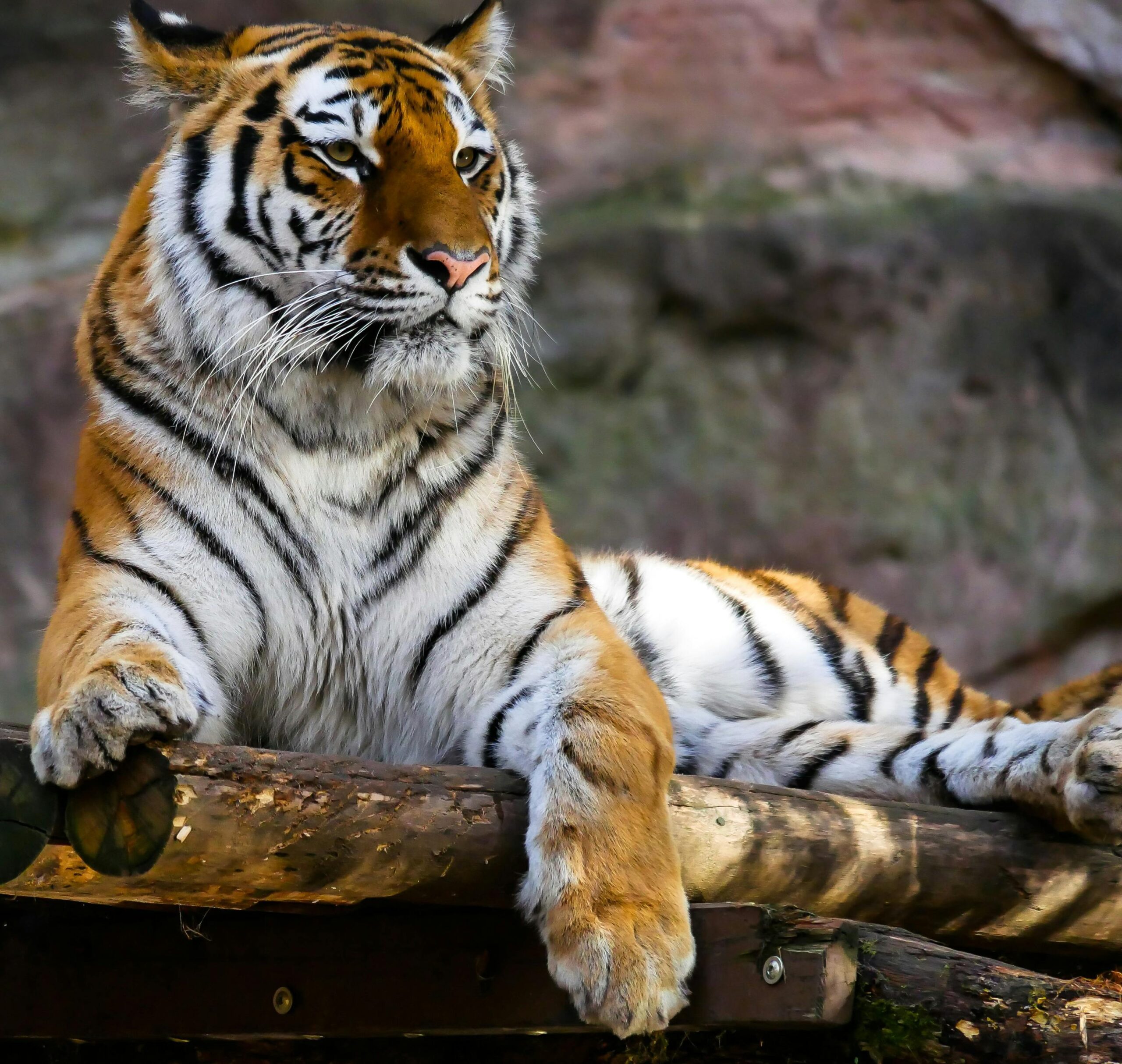
Rajasthan is famous for its forts, palaces, and desert landscapes, but it also houses one of India’s most celebrated wildlife destinations—Ranthambore National Park & Tiger Reserve. Located near Sawai Madhopur, this park is renowned for its majestic Bengal tigers, diverse flora and fauna, and historic ruins nestled within its forests. For travelers, photographers, and wildlife enthusiasts, Ranthambore offers a rare blend of adventure, heritage, and conservation.
🌍 Introduction
- Ranthambore National Park covers an area of over 1,300 square kilometers.
- Declared a tiger reserve under Project Tiger in 1973.
- Famous for tiger sightings, making it one of the best places in India to spot the big cat in the wild.
- Combines natural beauty with historical landmarks like Ranthambore Fort.
🐅 Wildlife in Ranthambore National Park & Tiger Reserve
Bengal Tigers
- The star attraction of Ranthambore.
- Tigers are often seen roaming near lakes, grasslands, and ruins.
- Known for their majestic presence and photogenic landscapes.
Other Mammals
- Leopards, sloth bears, striped hyenas, jackals, and wild boars.
- Herbivores include sambar deer, chital, nilgai, and langurs.
Birdlife
- Over 270 species of birds.
- Popular among bird watchers for species like crested serpent eagles, painted storks, and kingfishers.
Reptiles
- Marsh crocodiles, monitor lizards, and snakes thrive in the park’s wetlands.
🏞️ Key Attractions Inside Ranthambore
Ranthambore Fort
- A UNESCO World Heritage Site under the Hill Forts of Rajasthan.
- Offers panoramic views of the park.
- Houses temples dedicated to Lord Ganesha and Shiva.
Padam Talao
- Largest lake in the park.
- Famous for water lilies and sightings of tigers near its banks.
Raj Bagh Ruins
- Ancient stone structures scattered across the park.
- Add a mystical charm to wildlife photography.
Malik Talao & Raj Talao
- Smaller lakes known for bird watching and crocodile sightings.
🧑🤝🧑 Safari Experience
- Safaris are conducted in jeeps and canters.
- Morning and evening slots available.
- Zones are divided to manage tourism and wildlife conservation.
- Guides provide insights into animal behavior and park history.
🌱 Conservation Efforts
- Ranthambore is part of Project Tiger, launched to protect Bengal tigers.
- Strict regulations ensure minimal human interference.
- Eco-tourism initiatives promote sustainable travel.
- Local communities are involved in conservation awareness.
🏕️ Suggested Itineraries
2-Day Safari Tour
- Day 1: Morning safari, visit Ranthambore Fort.
- Day 2: Evening safari, explore Padam Talao and Raj Bagh ruins.
4-Day Wildlife & Heritage Tour
- Day 1–2: Multiple safaris across different zones.
- Day 3: Visit Ranthambore Fort and local villages.
- Day 4: Bird watching and photography sessions.
📈 Economic & Social Impact
- Tourism supports local communities, guides, and hospitality providers.
- Promotes handicrafts and traditional Rajasthani cuisine.
- Strengthens Rajasthan’s image as a global wildlife destination.
🧭 Challenges in Ranthambore
- Overcrowding: High demand for safaris during peak seasons.
- Environmental Concerns: Need for sustainable tourism practices.
- Human-Wildlife Conflict: Managing tiger movements near villages.
- Infrastructure Needs: Better connectivity and eco-friendly facilities.
🌄 Best Time to Visit Ranthambore
- Winter (October–March): Pleasant weather, ideal for safaris.
- Summer (April–June): Hot, but higher chances of tiger sightings near waterholes.
- Monsoon (July–September): Park remains closed for regeneration.
📝 Conclusion
Ranthambore National Park & Tiger Reserve is more than a wildlife destination—it is a living testament to India’s conservation success and natural heritage. From thrilling tiger safaris to exploring ancient ruins, Ranthambore offers experiences that linger long after the journey ends. Whether you are a wildlife enthusiast, photographer, or cultural traveler, Ranthambore remains a timeless destination that embodies the spirit of adventure and preservation.
