

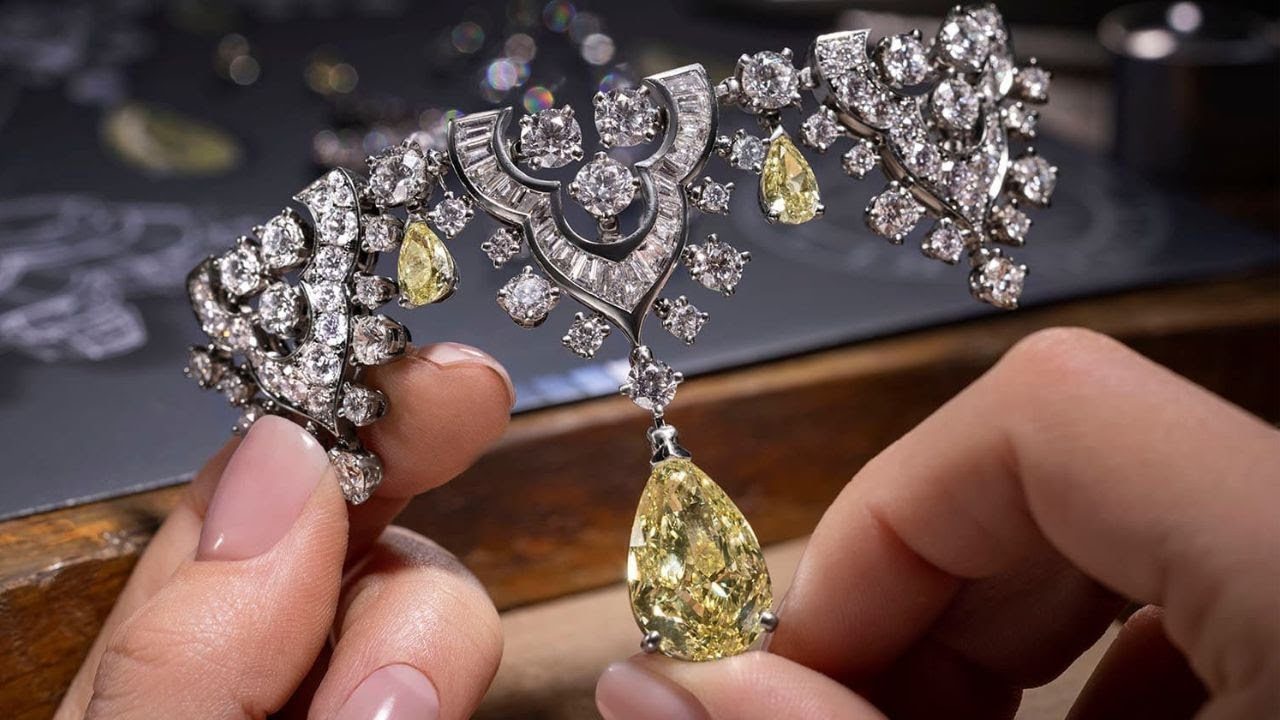
When it comes to purchasing diamonds, authenticity and certification are the two most critical factors that determine whether you’re making a smart investment or falling victim to fraud. In a bustling metropolis like Lahore, where the jewelry market is thriving and countless stores offer glittering promises, knowing how to identify certified and authentic diamond retailers becomes essential for every buyer.
Understanding Diamond Certification
Diamond certification is like a passport for your precious stone. It’s an official document issued by independent gemological laboratories that provides detailed information about a diamond’s characteristics, including its cut, clarity, color, and carat weight—commonly known as the 4Cs. When shopping at diamond shops in Lahore, asking for certification should be your first step before making any purchase decision.
The most recognized certification bodies worldwide include the Gemological Institute of America (GIA), the International Gemological Institute (IGI), and the American Gem Society (AGS). These institutions employ trained gemologists who examine diamonds using specialized equipment to determine their exact specifications and authenticity.
The Current State of Diamond Shops in Lahore
Lahore’s jewelry market has evolved significantly over the past decade. The city is home to numerous jewelry retailers ranging from traditional family-owned businesses in areas like Anarkali and Liberty Market to modern boutiques in upscale shopping centers. However, not all diamond shops in Lahore operate with the same level of transparency and adherence to international certification standards.
Some established retailers in the city have recognized the importance of building customer trust through certification. These shops typically import diamonds with proper documentation and provide certificates from recognized gemological laboratories. They understand that today’s consumers are more educated and demand proof of authenticity before investing their hard-earned money.
On the other hand, smaller or less reputable vendors may offer diamonds without proper certification, sometimes claiming that certification is unnecessary or too expensive. This approach should raise immediate red flags for any serious buyer.
How to Verify Authenticity
When visiting diamond shops in Lahore, there are several practical steps you can take to verify the authenticity of the diamonds being offered:
First, always request a certificate from a recognized gemological laboratory. Genuine diamond shops in Lahore that deal in authentic stones will readily provide this documentation. The certificate should include a unique identification number that you can verify on the laboratory’s official website.
Second, examine the diamond using a jeweler’s loupe if possible. Real diamonds have natural imperfections called inclusions, which are actually proof of authenticity. If a diamond appears absolutely flawless to the naked eye and is being sold at a surprisingly low price, it warrants closer inspection.
Third, ask about the return policy and guarantees. Reputable diamond shops in Lahore typically offer some form of return policy or buyback guarantee, demonstrating their confidence in the quality of their merchandise.
Common Challenges Faced by Buyers
One of the biggest challenges consumers face when shopping at diamond shops in Lahore is the prevalence of synthetic diamonds and diamond simulants being sold as natural diamonds. Synthetic diamonds are real diamonds created in laboratories, while simulants like cubic zirconia or moissanite are different materials altogether that merely resemble diamonds.
There’s nothing inherently wrong with synthetic diamonds or simulants if they’re sold honestly and priced accordingly. The problem arises when sellers misrepresent these stones as natural diamonds and charge premium prices. This is why certification becomes absolutely crucial—it clearly identifies whether a diamond is natural, lab-created, or a simulant.
Another challenge is the lack of standardized pricing. Unlike some markets where diamond pricing follows strict guidelines based on the 4Cs, pricing at some diamond shops in Lahore can vary wildly. This inconsistency makes it difficult for average consumers to determine whether they’re getting a fair deal.
Questions to Ask Before Purchasing
Protecting yourself as a consumer starts with asking the right questions. When you visit diamond shops in Lahore, don’t hesitate to inquire about the following:
Is the diamond certified by a recognized gemological laboratory? If yes, can you see the certificate and verify its authenticity online?
What is the shop’s policy on returns and exchanges? A reputable seller should offer at least a limited return window.
Can the diamond be independently appraised? Trustworthy retailers will have no objection to you getting a second opinion from an independent gemologist.
What is included in the purchase? Does the price include the setting, or is it just for the loose diamond?
Are there any treatments or enhancements applied to the diamond? Some diamonds undergo treatments to improve their appearance, which should be disclosed and reflected in the pricing.
The Importance of Building Relationships
In Lahore’s jewelry market, relationships matter significantly. Many families have been purchasing jewelry from the same retailers for generations. While loyalty is admirable, it shouldn’t replace due diligence. Even when dealing with diamond shops in Lahore that come highly recommended by friends or family, always insist on proper documentation and certification.
Building a relationship with a trustworthy jeweler can be beneficial for future purchases, maintenance, and even upgrades. However, that relationship should be founded on transparency and mutual respect, with the jeweler understanding your right to verification and certification.
Regulations and Consumer Protection
Pakistan’s regulatory framework for the jewelry industry is still developing. While there are consumer protection laws in place, enforcement specifically within the diamond and jewelry sector could be stronger. This reality places even more responsibility on consumers to educate themselves and remain vigilant when making purchases.
Some industry associations exist that aim to promote ethical practices among jewelers, but membership and adherence to standards remain voluntary. This means that when shopping at diamond shops in Lahore, you cannot always rely on regulatory oversight to protect you—your own knowledge and caution are your best defense.
Making an Informed Decision
The good news is that authentic, certified diamonds are available in Lahore. You simply need to know where to look and what to look for. The most reliable diamond shops in Lahore will be transparent about their sourcing, eager to provide certification, and patient with your questions and concerns.
Before making a significant diamond purchase, consider consulting with an independent gemologist who can accompany you or examine the stone after purchase. This additional expense is minimal compared to the investment you’re making and provides invaluable peace of mind.
Remember that price shouldn’t be your only consideration. An unusually low price might indicate a problem with authenticity, certification, or quality. Conversely, a high price doesn’t automatically guarantee authenticity—it simply means you’re paying more, possibly without justification.
To Read More Blogs: From Bridal to Everyday Wear: Akoya Pearls Jewellery Essentials
Last Words
The answer to whether diamond shops in Lahore are certified and authentic is nuanced. Yes, there are certified and authentic diamond retailers in the city who maintain high standards and provide proper documentation. However, there are also sellers who operate with less transparency, making it crucial for consumers to remain informed and vigilant.
