

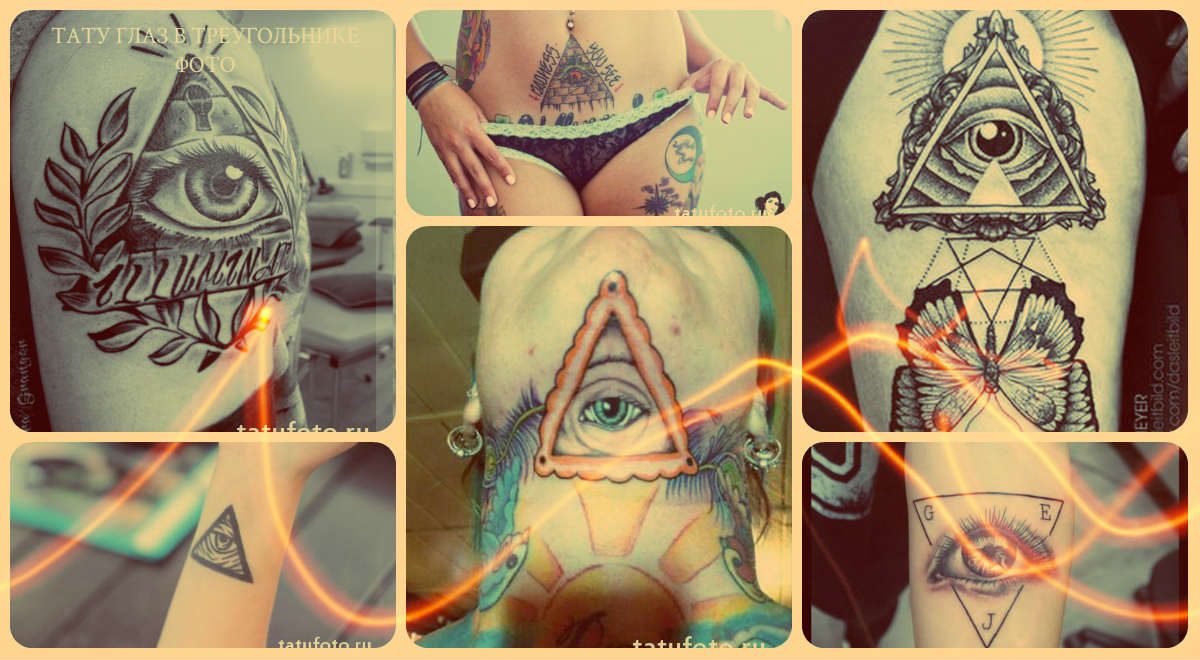
Tattoos have long served as a powerful medium for personal expression, and geometric designs remain among the most enduring choices. Within this category, the triangle stands out for its simplicity, balance, and layered symbolism. The meaning of triangle tattoo often attracts individuals who seek depth without visual complexity, as a single shape can communicate philosophical ideas, spiritual beliefs, and personal journeys. Across cultures and historical periods, the triangle has been associated with harmony, direction, and transformation, making it a versatile symbol for both minimalist and elaborate tattoo designs.
What makes this symbol especially compelling is its adaptability. A triangle can be oriented upward or downward, interlocked with other shapes, or rendered as a clean outline. Each variation subtly alters its significance, allowing wearers to personalize the design according to their values or life experiences. For some, the triangle represents balance between mind, body, and spirit; for others, it signifies strength, progression, or resilience. Understanding these layers is essential before committing the design to skin, as the tattoo often becomes a permanent marker of identity and belief.
In the sections that follow, the symbolism of triangle tattoos is explored from historical, spiritual, and contemporary perspectives. This structured approach clarifies how a simple geometric form has evolved into a rich symbol embraced by diverse communities worldwide.
Historical and Cultural Roots of Triangle Symbolism
The triangle has held symbolic importance across civilizations, long before it became a popular tattoo motif. In ancient cultures, geometric shapes were often used to explain the structure of the universe and humanity’s place within it. The triangle, in particular, was associated with stability and creation due to its three interconnected sides, which form the simplest stable shape in geometry.
In ancient Egypt, triangular forms were closely linked to pyramids, structures built to symbolize ascension, permanence, and the connection between earthly life and the afterlife. Similarly, in ancient Greek philosophy, the triangle represented harmony and proportion, concepts central to understanding nature and ethics. Many early mathematicians and philosophers believed that the number three embodied completeness, which reinforced the triangle’s symbolic authority.
Religious traditions also contributed to its meaning. In Christianity, the triangle became a representation of the Holy Trinity, signifying unity among three distinct entities. In Hinduism and Buddhism, triangular symbols appeared in mandalas and yantras, expressing balance between creation, preservation, and transformation. Over time, these interpretations converged into a broader understanding of the meaning of triangle tattoo as a symbol of equilibrium and interconnectedness.
Culturally, triangles were also used in protective symbols and talismans. Their pointed edges were thought to ward off negative forces, while their balanced structure conveyed protection and grounding. These historical foundations continue to influence modern tattoo interpretations, adding depth and credibility to the design.
Spiritual and Philosophical Interpretations
From a spiritual standpoint, triangle tattoos are often chosen for their abstract yet profound implications. One of the most common interpretations relates to the balance between mind, body, and spirit. This triadic concept appears in numerous belief systems, emphasizing that personal well-being depends on harmony among these three aspects. A triangle tattoo, therefore, can act as a constant reminder to maintain inner balance.
Orientation plays a significant role in spiritual meaning. An upward-pointing triangle is frequently associated with masculinity, fire, and aspiration, symbolizing growth and forward momentum. Conversely, a downward-pointing triangle often represents femininity, water, and intuition, highlighting receptivity and emotional depth. When combined, these orientations reflect duality and unity, reinforcing the meaning of triangle tattoo as a bridge between opposing forces.
Philosophically, the triangle is also linked to change and transformation. Each corner can represent a phase of life—past, present, and future—suggesting continuous movement and evolution. For individuals who have experienced significant personal growth or transitions, this symbolism can be particularly meaningful. The triangle becomes not just an aesthetic choice but a narrative of resilience and progress.
Additionally, some interpretations focus on strength and stability. Unlike shapes with more sides, the triangle maintains its form under pressure, which makes it a metaphor for endurance. This aspect resonates with those who value perseverance and clarity in decision-making, as the triangle points decisively in one direction.
Modern Meanings and Personal Expression
In contemporary tattoo culture, the triangle has expanded beyond traditional symbolism to embrace personal storytelling. Artists and wearers often reinterpret the shape to align with modern values, lifestyles, and aesthetics. Minimalist triangle tattoos are popular for their clean lines and understated elegance, appealing to individuals who prefer subtle yet meaningful designs.
In modern contexts, the meaning of triangle tattoo can also reflect creativity and individuality. Designers may incorporate elements such as dots, lines, or shading within the triangle to signify complexity within simplicity. Some people choose broken or fragmented triangles to represent overcoming adversity or redefining identity after change. Others integrate natural elements like mountains or waves, blending personal interests with symbolic geometry.
Social and cultural movements have also influenced contemporary interpretations. Triangles have been adopted in various contexts to signify unity, progress, and awareness. While meanings can vary depending on design choices, the underlying theme often remains empowerment and self-definition. The triangle’s adaptability allows it to resonate with diverse audiences, from spiritual seekers to modern minimalists.
Placement further personalizes the tattoo’s message. A triangle on the wrist may symbolize daily mindfulness, while one on the back or chest could represent foundational beliefs or inner strength. These choices reinforce how the triangle functions not only as a symbol but as a visual statement aligned with personal values and life experiences.
Conclusion: Why the meaning of triangle tattoo remains timeless
The enduring appeal of triangle tattoos lies in their ability to convey complex ideas through a simple form. Across history, spirituality, and modern culture, the triangle has symbolized balance, strength, transformation, and unity. The meaning of triangle tattoo continues to evolve as individuals reinterpret the shape to reflect their own journeys, beliefs, and aspirations.
Unlike trend-driven designs, the triangle remains relevant because of its universality. Its geometric clarity transcends cultural boundaries, while its symbolic depth allows for endless personalization. Whether chosen for spiritual balance, philosophical reflection, or aesthetic simplicity, the triangle tattoo serves as a lasting emblem of meaning and intention.
Frequently Asked Questions (FAQs)
1. What does a triangle tattoo generally symbolize?
A triangle tattoo commonly symbolizes balance, strength, and harmony. Its three sides are often interpreted as mind, body, and spirit, or past, present, and future, making it a meaningful choice for those who value stability and personal growth.
2. Does the direction of a triangle tattoo change its meaning?
Yes, orientation matters. An upward-pointing triangle is usually linked with growth, ambition, and masculine energy, while a downward-pointing triangle often represents intuition, femininity, and emotional depth. Each direction offers a distinct symbolic message.
3. Are triangle tattoos associated with spirituality?
Triangle tattoos are frequently connected to spiritual beliefs. Many cultures view the triangle as a sacred shape that represents unity and higher understanding, which is why it appears in religious and meditative symbols across history.
4. Can a triangle tattoo have a personal meaning?
Absolutely. While traditional interpretations exist, many people choose triangle tattoos to reflect personal experiences, life transitions, or values. Custom designs and placements allow individuals to assign their own significance to the symbol.
5. Is a triangle tattoo suitable for minimalist designs?
Yes, the triangle is one of the most popular choices for minimalist tattoos. Its clean lines and simple structure make it visually appealing while still carrying deep symbolic meaning, even in small or subtle designs.
