

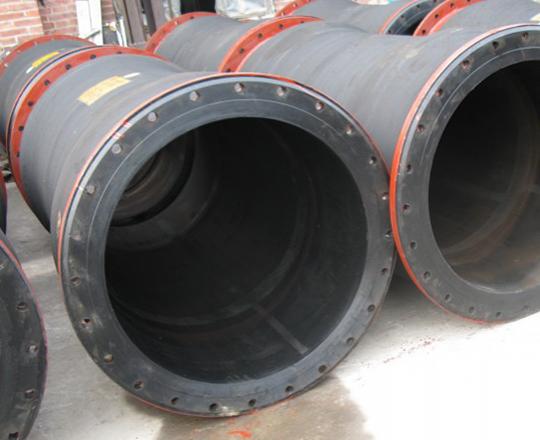
Industrial equipment is routinely exposed to extreme operating conditions such as corrosive chemicals, abrasive materials, pressure fluctuations, and continuous mechanical stress. Without proper surface protection, this exposure can lead to rapid deterioration, unplanned shutdowns, and high replacement costs. One proven solution that continues to gain importance across industries is rubber lining.
Rubber lining is not just a protective layer. It is an engineered system designed to extend equipment life, improve operational safety, and reduce long-term maintenance costs.
What Is Rubber Lining and How Does It Work
Rubber lining involves applying rubber sheets or membranes to metal or concrete surfaces that operate in aggressive environments. These linings act as a barrier between the substrate and damaging agents such as acids, alkalis, chemicals, slurry, and abrasive solids.
Rubber linings are typically bonded manually using specialized adhesives and can be cured chemically or through heat, depending on the application. Pre-cured rubber sheets are often used when heat curing is impractical or cost-prohibitive.
This method is widely adopted in industries including:
-
Chemical processing
-
Mining and mineral handling
-
Power generation
-
Fertilizers and electrochemicals
-
Steel and metal processing
-
Water and wastewater treatment
Types of Rubber Used in Industrial Linings
Different operating environments demand different rubber compounds. Selecting the right rubber type is critical for performance and durability.
Common Rubber Lining Materials
-
Natural Rubber
Known for excellent abrasion resistance and elasticity. Commonly used in slurry tanks, chutes, and pump linings. -
Butyl and Chlorobutyl Rubber
Highly resistant to acids and high temperatures, making them suitable for acid storage tanks and chemical pipelines. -
Chloroprene Rubber
Offers resistance to oils, ozone, weathering, and moderate chemicals. Often used in seawater and desalination applications. -
EPDM Rubber
Provides strong resistance to UV radiation, weathering, and microbial attack. Common in wastewater treatment and environmental applications.
Each rubber type behaves differently under stress, temperature, and chemical exposure, which is why professional material selection is essential.
Why Rubber Lining Continues to Gain Industry Adoption
The growing use of rubber lining is supported by clear economic and operational benefits.
According to DataIntelo, the global rubber lining market reached approximately USD 525.7 million in 2024, driven by increased focus on corrosion prevention and industrial asset protection.
Key benefits include:
-
Reduced corrosion-related failures
-
Improved resistance to abrasion and impact
-
Lower maintenance frequency
-
Enhanced equipment lifespan
-
Improved process reliability
Abrasion and Chemical Resistance in Real-World Applications
In mining and bulk material handling, rubber lining absorbs impact energy and reduces metal-to-metal contact. This minimizes wear caused by sharp ores, slurry movement, and vibration.
In chemical plants, rubber-lined tanks and pipes prevent contamination and structural damage caused by aggressive substances such as hydrochloric acid, sulfuric acid, and sodium hydroxide.
Asia Pacific accounts for over 40 percent of global demand for rubber-lined systems, largely due to rapid industrial expansion and infrastructure growth.
Rising Demand Across Indian Industries
India has seen a steady rise in the adoption of rubber lining across power plants, fertilizer units, steel manufacturing, and chemical processing facilities.
Industry research indicates that the Indian rubber lining pipe market was valued at USD 245 million in 2024 and is expected to reach USD 328 million by 2030.
This growth reflects increased awareness of preventive maintenance and asset protection strategies.
Best Practices When Choosing Rubber Lining Solutions
To ensure long-term performance, industries should focus on more than just material cost.
Key factors include:
-
Proper surface preparation
-
Correct rubber compound selection
-
Skilled application techniques
-
Controlled curing conditions
-
Quality inspections such as thickness testing and holiday testing
Experienced providers operating in industrial hubs such as Mumbai support a wide range of applications with tailored solutions. Globe Carbon Industries applies engineered rubber lining systems using natural and synthetic rubber compounds designed to resist corrosion, chemicals, abrasion, and impact across demanding industrial environments.
Visual Suggestions for This Article
To enhance readability and engagement, consider including:
-
A diagram showing rubber lining layers on a tank or pipe
-
A comparison table of rubber lining materials and applications
-
Photos of rubber-lined industrial equipment
-
An infographic explaining the rubber lining process
Final Thoughts
Rubber lining remains one of the most reliable and cost-effective methods for protecting industrial equipment against harsh operating conditions. As industries face increasing pressure to improve efficiency, safety, and sustainability, well-designed rubber lining systems offer measurable long-term value.
When applied correctly and matched to the right environment, rubber lining is not just a protective measure, but a strategic investment in operational resilience.
Author Bio
The author is an industrial materials and surface protection specialist with experience in corrosion control, abrasion resistance systems, and heavy industry applications. They regularly write about maintenance strategies, material science, and asset protection solutions for industrial operations.
