

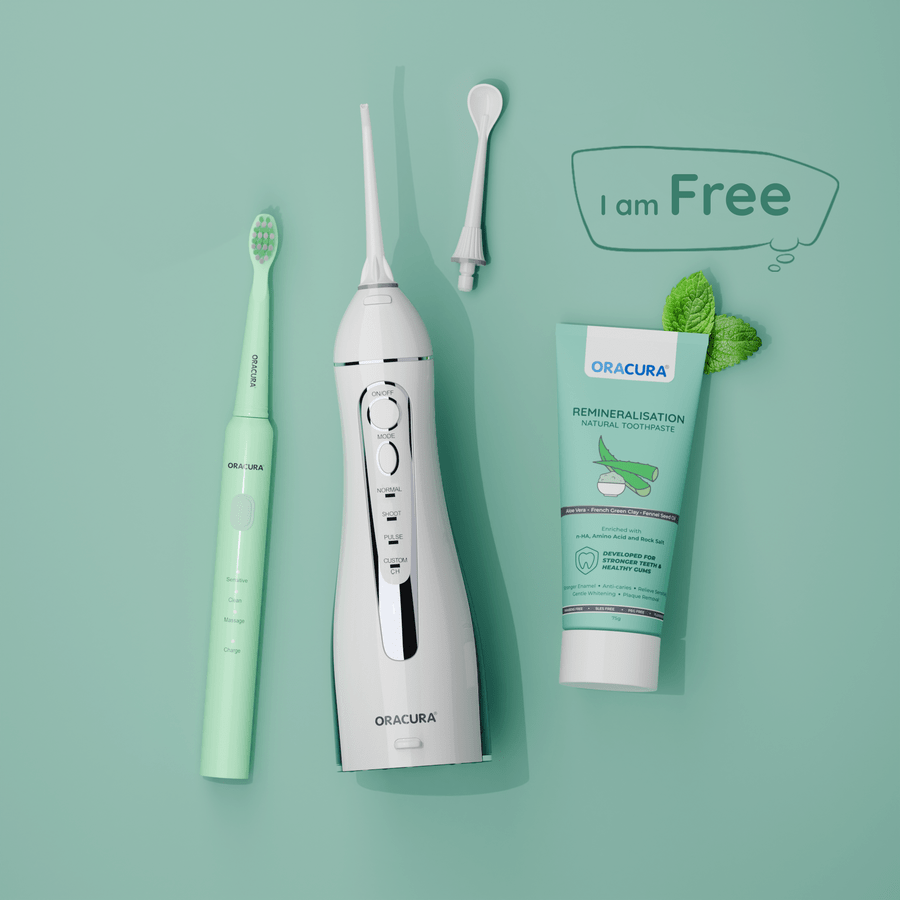
Electric oral care products have become increasingly popular in recent years, promising deeper cleaning, healthier gums, and better overall oral hygiene than traditional tools. From electric toothbrushes and water flossers to tongue cleaners and advanced dental accessories, these devices are often positioned as smarter alternatives to manual brushing and flossing. But the big question remains: do electric oral care devices really work, or are they just marketing hype?
Let’s break down the science, benefits, limitations, and real-world effectiveness of electric oral care devices to help you make an informed decision.
What Are Electric Oral Care Devices?
Electric oral care products are powered tools designed to improve everyday dental hygiene by automating or enhancing cleaning actions. The most common types include:
- Electric toothbrushes (sonic or oscillating)
- Water flossers (oral irrigators)
- Electric tongue cleaners
- Interdental cleaners with powered motion
These devices are designed to reduce human error, provide consistent cleaning, and reach areas that are often missed with manual tools.
How Electric Toothbrushes Improve Cleaning
Electric toothbrushes are among the most researched oral care devices, and evidence strongly supports their effectiveness.
Unlike manual toothbrushes, electric brushes use high-speed movements—either sonic vibrations or oscillating-rotating actions—that generate thousands of brush strokes per minute. This allows them to:
- Remove plaque more efficiently
- Clean along the gumline more thoroughly
- Maintain consistent brushing pressure
- Reduce brushing-related gum damage
Many electric toothbrushes also include smart timers, ensuring users brush for the recommended two minutes, which is a common shortfall with manual brushing. Some models even provide quadrant alerts, pressure sensors, and multiple brushing modes to suit sensitive gums or whitening needs.
Bottom line: Electric toothbrushes consistently outperform manual brushes in plaque removal and gum health when used correctly.
Do Water Flossers Really Replace String Floss?
Water flossers use a controlled stream of water to clean between teeth and along the gumline. While they don’t mechanically scrape plaque the way string floss does, they are extremely effective at flushing out food debris and bacteria from hard-to-reach areas.
They are especially beneficial for:
- People with braces or aligners
- Dental implants, crowns, or bridges
- Gum sensitivity or bleeding
- Users who struggle with traditional flossing
Clinical studies show that water flossers can significantly reduce gum bleeding and inflammation, often with better compliance than string floss because they’re easier and more comfortable to use.
That said, for tight contact points between teeth, some dentists still recommend combining water flossing with occasional string flossing for best results.
The Role of Electric Oral Care Devices in Gum Health
One of the biggest advantages of electric oral care devices is their impact on gum health. Poor brushing technique, excessive pressure, and inconsistent routines often lead to gum recession and inflammation.
Electric devices help by:
- Applying controlled pressure
- Delivering consistent motion
- Stimulating gum tissue gently
- Reducing plaque buildup at the gumline
Water flossers further enhance gum care by improving circulation and removing bacteria from periodontal pockets. Over time, this leads to healthier, pinker gums and reduced bleeding.
Are Electric Devices Safe for Daily Use?
Yes, when used correctly.
Modern electric oral care devices are designed with safety in mind. Features like pressure sensors, sensitive modes, and adjustable water pressure settings help prevent damage to enamel or gums.
However, effectiveness depends heavily on proper usage. Pressing too hard with an electric toothbrush or using high water pressure without adjustment can cause irritation. Following manufacturer instructions and dentist recommendations is key.
Do Results Depend on the Device or the User?
This is where reality matters.
Electric oral care devices are tools, not magic solutions. They work best when paired with:
- Consistent daily use
- Proper technique
- Good oral habits (diet, hydration, dental visits)
Someone brushing incorrectly with an electric toothbrush may still see poor results, while someone with good habits can achieve excellent outcomes even with basic models. The biggest advantage electric devices offer is consistency, making it easier for most people to maintain effective oral hygiene.
Who Benefits Most from Electric Oral Care Devices?
While almost anyone can benefit, electric oral care devices are especially useful for:
- People with braces or dental work
- Individuals with limited hand mobility
- Children learning proper brushing habits
- Adults with gum sensitivity or plaque buildup
- Those seeking low-effort, high-consistency routines
For families, electric devices also improve compliance, especially when brushing feels easier or more engaging.
Final Verdict: Do Electric Oral Care Devices Really Work?
Yes, electric oral care devices genuinely work—and they work well.
Electric toothbrushes remove plaque more effectively than manual brushes, water flossers improve gum health and cleanliness between teeth, and smart features help users brush better for longer. While they don’t replace the need for good habits or professional dental care, they significantly enhance everyday oral hygiene.
The real value of electric oral care devices lies in making proper dental care easier, more consistent, and more effective for modern lifestyles. When used correctly, they’re not just convenient upgrades—they’re powerful tools for long-term oral health.
If your goal is cleaner teeth, healthier gums, and a more reliable daily routine, electric oral care devices are absolutely worth it.
