

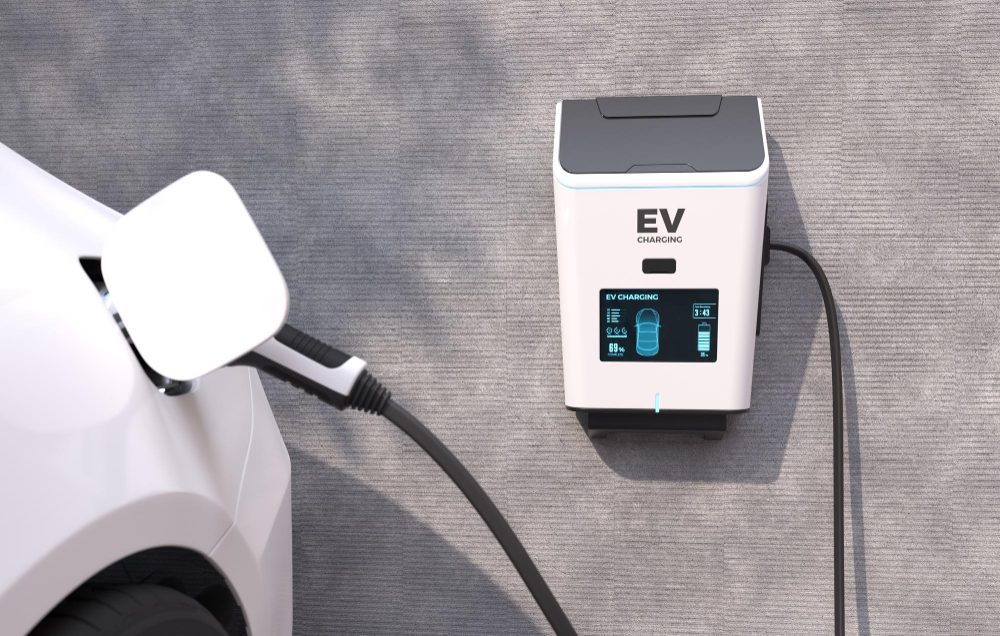
As electric vehicles continue to reshape transportation across the United States, reliable charging infrastructure has become a necessity—not a luxury. Whether you’re planning to install an EV charger at home, invest in commercial EV charging station installation, or take advantage of the federal EV tax credit and EV charger rebate programs, understanding the full picture is essential.
This in-depth guide explains everything you need to know about residential EV chargers, commercial installations, available rebates, and how homeowners and businesses across U.S. cities can maximize savings while future-proofing their properties.
Why EV Charger Installation Is No Longer Optional
The rapid adoption of electric vehicles is driving demand for accessible and dependable charging. Public charging alone is not enough. Homeowners want convenience, while businesses need charging to attract customers, tenants, and employees.
Key drivers behind EV charger installation include:
- Rising EV ownership across all U.S. states
- Increasing fuel costs and sustainability goals
- Federal and state incentives for EV infrastructure
- Real estate value and future readiness
Whether residential or commercial, installing EV chargers is now a strategic investment.
Install EV Charger at Home: A Smart Residential Upgrade
What Is a Residential EV Charger?
A residential EV charger is a dedicated charging system installed at a private home, typically in a garage or driveway. Unlike standard outlets, these chargers deliver faster, safer, and more efficient charging.
Most homeowners choose Level 2 chargers, which provide:
- Faster charging (4–8 hours for most EVs)
- Dedicated 240V circuits
- Improved safety and reliability
Benefits of Installing an EV Charger at Home
Installing an EV charger at home offers multiple advantages:
- Convenience: Charge overnight without relying on public stations
- Cost savings: Home electricity rates are lower than public charging fees
- Time efficiency: No waiting or detours for charging
- Property value: EV-ready homes are more attractive to buyers
For daily drivers, a residential EV charger becomes an essential part of owning an electric vehicle.
Residential EV Charger Installation Process
Step 1: Electrical Assessment
Before installing a residential EV charger, an electrician evaluates:
- Panel capacity
- Available circuit space
- Distance from panel to charger location
Upgrades may be required, especially in older homes.
Step 2: Selecting the Right Charger
Important factors include:
- Charger level (Level 2 recommended)
- Compatibility with your EV
- Smart features (Wi-Fi, scheduling, monitoring)
Step 3: Permits & Installation
Local permits are often required. Professional installers handle:
- Code compliance
- Wiring and breaker installation
- Charger mounting and testing
Commercial EV Charging Station Installation: A Business Advantage
Why Businesses Are Installing EV Chargers
Commercial EV charging station installation benefits businesses across sectors:
- Retail centers
- Office buildings
- Hotels and hospitality
- Multi-family housing
- Fleets and logistics hubs
EV charging helps businesses attract customers, support employees, and meet sustainability targets.
Benefits of Commercial EV Charging Stations
- Increased foot traffic and dwell time
- Enhanced brand image and ESG alignment
- Tenant and employee satisfaction
- New revenue opportunities
- Future-proof property infrastructure
Businesses that install chargers today gain a competitive advantage tomorrow.
Commercial EV Charging Installation: What’s Involved
Site Planning & Load Analysis
Commercial installations require:
- Electrical load studies
- Utility coordination
- Parking layout optimization
Charger Types for Commercial Use
- Level 2 chargers for offices and retail
- DC fast chargers for fleets and high-traffic locations
Networked Charging & Payment Systems
Commercial EV charging stations often include:
- User authentication
- Billing and payment systems
- Usage tracking and reporting
EV Charger Installation Across U.S. Cities
EV charger installation requirements and incentives vary by location. Many cities actively promote EV infrastructure through rebates and streamlined permitting.
Urban areas, suburbs, and expanding metro regions all benefit from localized EV charging strategies that align with regional demand and utility programs.
Federal EV Tax Credit: How It Works
What Is the Federal EV Tax Credit?
The federal EV tax credit provides financial incentives for both EV purchases and charging infrastructure installation.
For charging equipment, eligible property owners may receive tax credits for:
- Residential EV charger installation
- Commercial EV charging station installation
Credits are subject to IRS guidelines and annual limits.
Who Qualifies?
- Homeowners installing residential EV chargers
- Businesses installing commercial EV charging stations
- Multi-family property owners
What Costs Are Covered?
- Charging equipment
- Installation labor
- Electrical upgrades related to charger installation
Always consult a tax professional to confirm eligibility.
EV Charger Rebate Programs: Save More at State & Utility Levels
What Is an EV Charger Rebate?
An EV charger rebate is a direct financial incentive offered by:
- State governments
- Utility companies
- Local municipalities
These rebates often stack with the federal EV tax credit, significantly reducing upfront costs.
Typical EV Charger Rebates Include:
- Partial reimbursement for charger purchase
- Installation cost coverage
- Utility bill credits
Some programs cover up to 50–80% of installation costs.
Combining Federal EV Tax Credit & EV Charger Rebates
Smart property owners maximize savings by combining incentives:
- Federal EV tax credit
- State EV charger rebate
- Utility-sponsored programs
Together, these incentives can dramatically reduce total installation expenses.
Residential vs Commercial EV Charging: Key Differences
|
Feature |
Residential EV Charger |
Commercial EV Charging Station |
|
Usage |
Personal |
Public / fleet / employee |
|
Charger type |
Level 2 |
Level 2 or DC fast |
|
Installation complexity |
Moderate |
High |
|
Incentives |
Federal + utility |
Federal + state + utility |
|
Revenue potential |
None |
Possible |
Both installations serve different needs but share the same long-term value proposition.
Common Mistakes to Avoid When Installing EV Chargers
- Underestimating electrical capacity needs
- Ignoring future EV growth
- Failing to apply for rebates
- Using non-certified installers
- Choosing incompatible equipment
Planning properly avoids costly upgrades later.
Why Professional Installation Matters
Certified installers ensure:
- Code compliance
- Safety and reliability
- Proper rebate documentation
- Long-term system performance
Professional installation protects your investment and ensures incentive eligibility.
The Future of EV Charging Infrastructure
EV adoption is accelerating. Properties without charging infrastructure may soon fall behind. Residential homes, workplaces, and commercial properties must adapt to:
- Increased EV ownership
- Higher charging demand
- Smart grid integration
Installing EV chargers today prepares your property for tomorrow.
Conclusion
Whether you’re planning to install EV charger at home, upgrade your property with a residential EV charger, or invest in a commercial EV charging station installation, the benefits are clear. With generous federal EV tax credits and EV charger rebate programs available, there has never been a better time to act.
EV charger installation delivers:
- Convenience and cost savings
- Increased property value
- Sustainability leadership
- Long-term infrastructure readiness
By understanding incentives, choosing the right equipment, and working with professionals, homeowners and businesses can confidently transition into the electric future—one charge at a time.
