

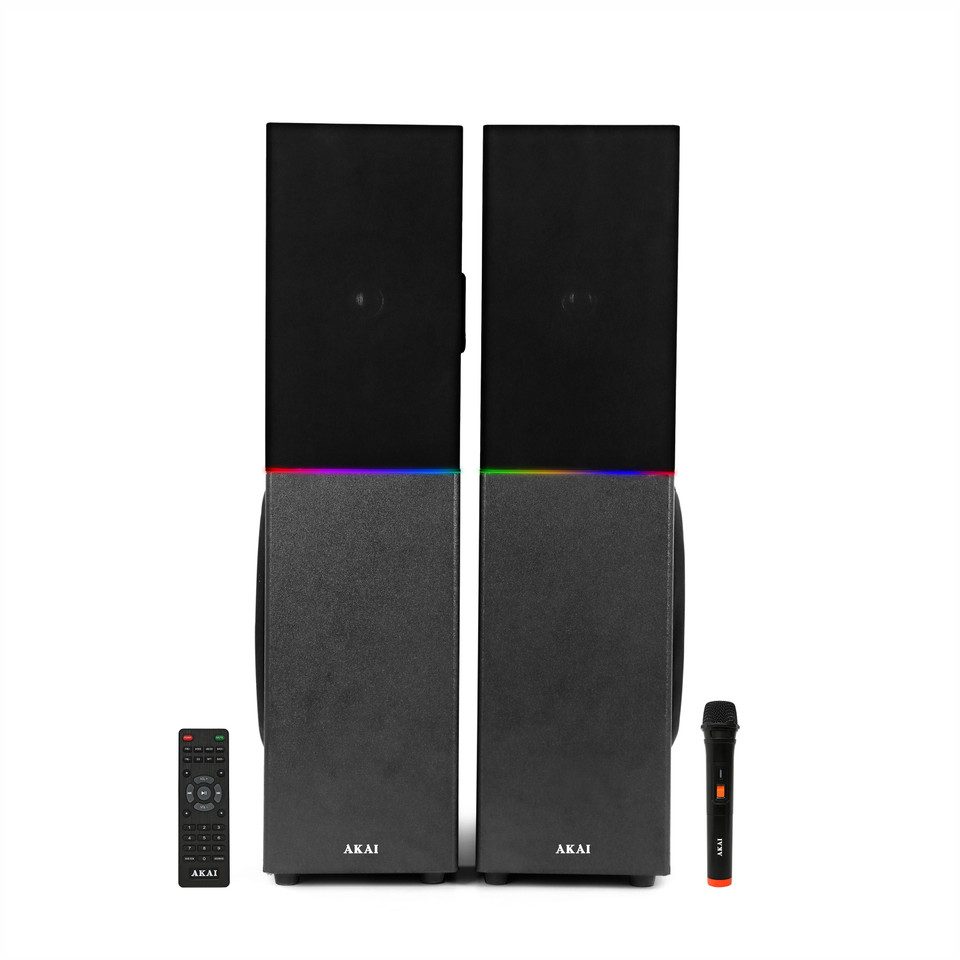
Tower speakers can completely transform your home audio experience. Whether you love music, movies, or gaming, properly setting up your tower speakers ensures you hear every detail the way it was meant to be heard. Simply placing them on either side of the TV isn’t enough — positioning, room acoustics, and correct connections all play a big role in achieving rich, immersive sound.
Here’s a step-by-step guide to setting up tower speakers for the best possible performance at home.
Start with the Right Room Placement
Room placement is the foundation of good sound. Tower speakers are designed to fill space with wide, powerful audio, but they need breathing room to perform properly.
Avoid pushing speakers flat against the wall. Instead, keep them at least 6–12 inches away from the back wall. This reduces unwanted bass reflections that can make sound muddy. If possible, leave some space between the speakers and side walls too, which helps improve stereo separation.
For the best listening experience, position the speakers and your main seating area in a triangle shape. The distance between the two speakers should be roughly the same as the distance from each speaker to where you sit. This creates a balanced stereo image where vocals and instruments sound centered and natural.
Get the Speaker Height and Angle Right
Most tower speakers are already designed to place the tweeters (high-frequency drivers) close to ear level when you’re seated. This is important because high frequencies are directional and need to travel directly toward your ears.
Angle the speakers slightly inward toward your seating position. This is called “toe-in.” A mild inward angle improves clarity and creates a more focused soundstage, especially for vocals and dialogue. Avoid pointing them straight ahead unless the room is very narrow.
Small adjustments can make a noticeable difference, so take time to experiment with angles until the sound feels clear and centered.
Pay Attention to Floor Surface
Tower speakers produce strong bass, and the surface they sit on can affect sound quality. If placed directly on hollow wooden flooring, vibrations can travel through the floor and create distortion.
If your speakers come with spikes or isolation feet, use them. Spikes help reduce vibrations and tighten bass performance, especially on carpet. On hard floors, rubber pads or isolation platforms can help control unwanted resonance.
Stable placement means cleaner sound.
Connect Your Speakers Properly
Good wiring ensures your speakers receive a clean signal. Use quality speaker cables with the correct thickness (gauge). For most home setups, 14- or 16-gauge cables work well.
Make sure the positive (+) and negative (–) terminals on the amplifier match those on the speakers. Incorrect polarity can weaken bass and ruin stereo imaging.
If your tower speakers are active (powered), connect them according to the manufacturer’s instructions, typically via RCA, AUX, optical, or Bluetooth inputs.
For passive tower speakers, you’ll need an AV receiver or stereo amplifier that matches the speaker’s power and impedance requirements.
Optimize Position for Bass Performance
Bass behaves differently from high and mid frequencies. Speaker placement can significantly affect how deep and punchy your bass sounds.
If bass feels too boomy, move the speakers slightly away from walls or corners. If bass feels weak, shifting them a bit closer to the wall behind them can help reinforce low frequencies.
Avoid placing tower speakers directly in corners unless they are specifically designed for corner placement. Corners can exaggerate bass and reduce clarity.
Small position changes of even a few inches can improve balance.
Calibrate Your Receiver or Amplifier
If you’re using an AV receiver, run the built-in room calibration system (like auto setup with a microphone). This feature adjusts speaker levels, distances, and equalization based on your room’s acoustics.
Manual adjustments also help. Set the front speakers to “Large” in your receiver settings if they are full-range tower speakers. Adjust bass and treble settings carefully — avoid extreme boosts that can cause distortion.
Proper calibration ensures your speakers blend smoothly with other components like subwoofers or center channels.
Consider Adding a Subwoofer (Optional)
Many tower speakers produce strong bass on their own, but a dedicated subwoofer can enhance low-frequency impact for movies and music.
If you add a subwoofer, set the crossover frequency between 60–80 Hz so deep bass is handled by the sub while mids and highs stay clear through the towers.
Balance is key. The subwoofer should add depth without overpowering the main speakers.
Manage Room Acoustics
Even the best speakers can sound average in a poor acoustic environment. Hard surfaces like glass walls, empty floors, and bare walls reflect sound, causing echo and harshness.
Adding curtains, rugs, sofas, and bookshelves helps absorb and diffuse sound. Soft furnishings improve clarity and reduce unwanted reflections.
You don’t need a professional studio setup — simple home décor adjustments can noticeably improve audio quality.
Fine-Tune with Listening Tests
Once everything is placed and connected, play familiar music or movie scenes and listen carefully. Focus on:
- Vocal clarity
- Stereo balance
- Bass tightness
- Overall fullness
If vocals seem off-center, adjust speaker angles slightly. If sound feels too bright, reduce toe-in. If bass overwhelms, move speakers a little forward.
Trust your ears — the best setup is the one that sounds most natural to you.
Final Thoughts
Setting up tower speakers correctly is the difference between ordinary sound and a truly immersive home audio experience. Proper placement, correct connections, room adjustments, and careful calibration all work together to unlock the full potential of your speakers.
Take your time, make small adjustments, and enjoy the process. Once dialed in, your tower speakers will deliver powerful, room-filling audio that makes every movie night, music session, and party feel bigger, richer, and more exciting.
