

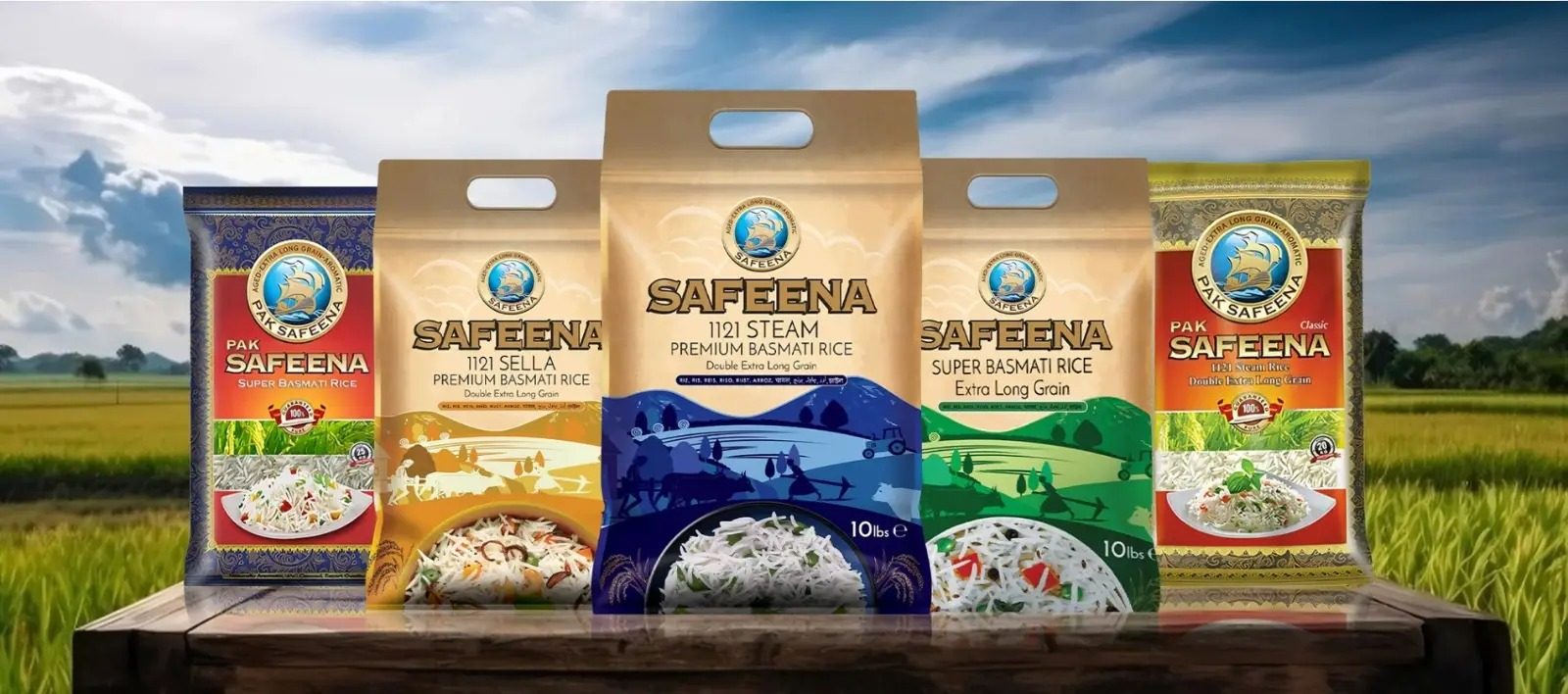
Pakistan is one of the world’s leading rice-producing countries, supplying premium varieties such as Basmati and long-grain rice to global markets. For international buyers, quality is not optional—it is the foundation of trust. Rice Exporters in Pakistan follow strict quality standards to meet the expectations of importers across the Middle East, Europe, Africa, and beyond. From farm selection to final shipment, exporters implement structured processes to ensure consistency, safety, and compliance. Leading brands such as Amir Rice Mills demonstrate how adherence to international benchmarks helps Pakistan maintain a strong reputation in the global rice trade.
Rigorous Paddy Selection at the Source
The quality journey begins at the farm level. Rice Exporters in Pakistan carefully select paddy from regions known for fertile soil, optimal climate, and traditional cultivation practices. Farmers are guided on seed selection, irrigation control, and harvesting timelines to ensure uniform grain length, aroma, and maturity. Exporters conduct pre-procurement inspections to eliminate mixed varieties, immature grains, or excessive moisture content. By starting with clean and high-grade raw material, exporters reduce risks later in processing. This disciplined sourcing approach ensures that only export-worthy paddy enters the supply chain, laying a strong foundation for meeting international quality standards demanded by global buyers.
Advanced Milling and Processing Technology
Modern milling plays a critical role in quality assurance. Leading Rice Exporters in Pakistan invest in advanced rice milling machinery that enables precision cleaning, husk removal, polishing, grading, and sorting. Automated systems reduce human contact, minimizing contamination risks while preserving the natural strength and appearance of the grain. High-end sorters remove broken, discolored, or defective grains to deliver uniform output. At Amir Rice Mills, controlled milling processes are designed to maintain grain integrity while achieving the appearance and finish required by international markets. This technology-driven approach ensures consistency across large export volumes.
Strict Quality Control and Laboratory Testing
Quality control is embedded at every stage of production. Rice Exporters in Pakistan conduct in-house laboratory testing to check grain length, moisture content, purity percentage, broken ratio, and chalkiness. Samples are regularly tested for compliance with buyer specifications before approval for shipment. Some exporters also conduct third-party testing when required by destination countries. Continuous monitoring helps identify variations early and allows corrective measures before packaging. This structured testing system ensures exporters do not rely on visual inspection alone but follow measurable, documented standards aligned with global food safety expectations.
Compliance With International Food Safety Standards
Meeting international certifications is essential for exporting rice globally. Reputable Rice Exporters in Pakistan align their operations with food safety frameworks such as ISO, HACCP, and other market-specific regulatory requirements. These systems emphasize hygiene, traceability, risk management, and preventive controls throughout the production process. Facilities follow strict sanitation protocols, pest control measures, and staff hygiene training. Compliance not only ensures food safety but also builds confidence with global importers, government authorities, and retail partners who require documented proof of quality and safety before approving suppliers.
Hygienic Packaging and Storage Practices
Packaging is more than presentation—it protects quality during transit. Rice Exporters in Pakistan use food-grade packaging materials that preserve freshness, prevent moisture ingress, and maintain grain aroma. Packaging options include PP bags, laminated bags, and customized private-label formats based on buyer needs. Storage facilities are temperature-controlled, dry, and well-ventilated to prevent pest infestation or spoilage. Exporters like Amir Rice Mills ensure rice is packed only after passing quality checks, reducing the chance of contamination and ensuring that buyers receive rice in the same condition it left the mill.
Traceability and Batch-Level Monitoring
International buyers increasingly demand traceability. Rice Exporters in Pakistan maintain detailed batch records that track rice from farm procurement to shipment. Each batch is documented with sourcing details, processing dates, quality test results, and packaging information. This transparency allows exporters to quickly respond to buyer queries or regulatory audits. Traceability also supports accountability, ensuring that any issue can be isolated without disrupting the entire supply chain. Such structured record-keeping reflects a mature export operation aligned with modern global trade expectations.
Pre-Shipment Inspections and Documentation Accuracy
Before export, shipments undergo final inspection to ensure they match contractual specifications. Rice Exporters in Pakistan verify weight, packaging integrity, labeling accuracy, and documentation completeness. Export paperwork—including certificates of origin, phytosanitary certificates, and quality certificates—is prepared carefully to avoid delays at destination ports. Pre-shipment inspections reduce disputes and ensure smooth customs clearance. Experienced exporters understand that errors in documentation can damage buyer trust, so accuracy and compliance are treated as core quality standards rather than administrative formalities.
Continuous Improvement Through Buyer Feedback
Sustaining international standards requires ongoing improvement. Rice Exporters in Pakistan actively gather feedback from global buyers regarding grain quality, packaging performance, and delivery timelines. This feedback is used to refine sourcing methods, adjust milling parameters, and improve packaging solutions. Long-term exporters view quality as an evolving process rather than a one-time achievement. By adapting to changing market requirements and buyer preferences, companies like Amir Rice Mills remain competitive while consistently meeting international quality standards.
