

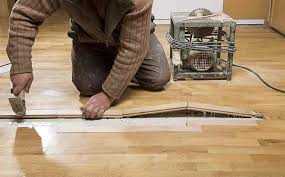
If your laminate floor shows scratches, lifted edges, or water damage, you don’t have to replace the whole surface. Choosing Laminate Flooring Repair Near Me services allows you to work with local professionals who can repair individual planks, refinish damaged areas, and fix gaps or swelling—often faster and more affordable than full replacement.This post walks you through how professional laminate flooring repair near me services work and what to expect from nearby service providers, so you can decide whether a repair or a replacement makes the most sense for your home. Keep reading to learn what to look for in a contractor, common repair methods, and how to get accurate quotes.
Professional Laminate Flooring Repair Services
You can get skilled repairs for scratches, water damage, buckling, and loose planks from local pros who diagnose the problem, match materials, and perform lasting fixes. Expect clear estimates, timelines, and options for repair versus replacement.
Finding Local Laminate Flooring Experts
Search for installers and repair specialists with specific laminate experience, not just general handymen. Look for companies that list laminate repair, plank replacement, water-damage remediation, and finish restoration in their services.Check reviews and before/after photos to confirm consistent results. Ask about certifications, insurance, and warranty terms—get these in writing. Request references for jobs similar to yours (same plank type, glue-down vs. floating, moisture issues).Get written estimates from at least three providers. Compare scope of work, materials, labor rates, and lead time. Note whether the contractor offers plank matching, moisture testing, and subfloor repair as part of the quote.
Types of Laminate Flooring Damage
Surface scratches and scuffs result from furniture or pets; these often need localized refinishing or plank replacement. Deeper gouges or delamination require replacing affected boards.Water damage appears as swelling, cupping, or lifting in floating and glued installations. Mold or black stains indicate prolonged exposure; those areas usually need plank removal and subfloor drying or replacement.Seam separation and buckling occur from improper acclimation or subfloor irregularities. Loose or squeaky boards point to failed click-lock joints or adhesive failure. Each damage type dictates a different fix: patching, plank replacement, moisture remediation, or subfloor work.
Assessment and Diagnosis Process
A professional starts with a visual inspection and targeted tests: moisture meter readings, plank lift checks, and inspection of underlayment and subfloor. They document plank codes, edge profiles, and color to match replacement material.Expect measurements and photos, plus a written diagnostic report outlining cause, recommended repairs, and alternative solutions. The report will specify whether repair, partial replacement, or full replacement is most cost-effective.Good contractors include remediation steps in the plan—moisture control, subfloor leveling, and new underlayment when needed—and provide an itemized estimate with labor, materials, and timeline.
How Laminate Flooring Repair Works
You’ll learn whether a repair or full replacement fits your situation, what repair methods technicians use, and typical costs and timelines so you can plan time and budget accordingly.
Repair Versus Replacement
You should first inspect the damage type and extent. Surface scratches, small chips, and isolated plank swelling from minor water exposure can usually be repaired in-place. Deep gouges, widespread cupping, or laminated layers delaminating across multiple boards often require full plank replacement or a larger section replacement.Consider age and matching: if your floor is older and the finish or color no longer matches replacements, replacement of an entire room may give the best visual result. Also check subfloor condition—if water damage has compromised the underlayment or joists, replacement becomes necessary to prevent recurring failures.
Typical Repair Techniques
Technicians start by isolating the problem area and determining whether planks are floating (click-lock) or glued. Common on-site repairs include:
- Color-fill and putty for scratches and chips.
- Sand-and-refinish is not an option for most laminate; instead, they use surface repair kits that match grain and sheen.
- Replacing individual planks by unlocking adjacent boards (for floating floors) or cutting out and gluing in new boards (for glued installations).
- Moisture mitigation: drying, replacing damaged underlayment, and sealing transitions.
You should expect the crew to test moisture levels and check expansion gaps before reinstallation. They’ll also check transitions, thresholds, and baseboards to ensure the repaired area moves and expands correctly.
Estimated Costs and Timeframes
Typical single-plank repairs or surface fixes range from $50–$200 in labor and materials when done by a pro. Replacing multiple planks or small sections commonly costs $200–$600 depending on access and whether matching boards are available. Full-room replacement commonly starts around $1,000 for small rooms with budget laminate and increases with material quality and removal complexity.
Time estimates:
- Surface repairs or color fills: 30–90 minutes for a localized area.
- Replacing 1–5 planks: 1–4 hours, depending on doorways and trim removal.
- Sectional replacement or room refit: 1–3 days, allowing for acclimation of new boards and any necessary subfloor repairs.
Request a written estimate that itemizes labor, materials, and any moisture remediation so you know what to expect.
