

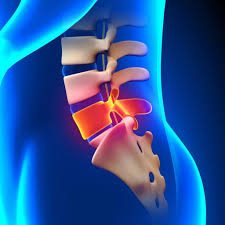
If you’re weighing Private Spine Surgery Canada offers, it’s important to understand how private care can reduce long public wait times and provide faster access to accredited surgeons, advanced minimally invasive techniques, and focused post-operative care. Private spine surgery in Canada typically costs more than publicly funded treatment, but it can help you receive care months sooner while allowing you to choose the surgeon and facility that best match your needs.This article will guide your decisions about what Private Spine Surgery Canada involves, how costs and treatment timelines compare, and what to look for when selecting a qualified surgeon and clinic. You’ll gain clear, practical insights to help determine whether private spine care aligns with your medical goals and budget.If you want, I can also optimize this further for SEO (title tag, meta description, or keyword density).
Understanding Private Spine Surgery in Canada
Private spine surgery in Canada gives you faster access, a choice of minimally invasive or fusion procedures, and care at accredited private clinics or hospitals. Costs vary by procedure and facility, and eligibility often depends on your condition, referral status, and provincial rules.
Types of Private Spine Procedures
Private clinics commonly offer these procedures: microdiscectomy for herniated discs, laminectomy/laminotomy for spinal stenosis, anterior or posterior spinal fusion for instability, and minimally invasive decompression techniques. Some centres provide motion-preserving options such as artificial disc replacement and endoscopic spine surgery.Tarlov cyst procedures and complex deformity corrections appear less frequently and usually require referral to specialized centres. Procedure choice depends on your diagnosis, imaging (MRI/CT), prior surgeries, and overall health.Ask the clinic for a clear breakdown: the specific surgical technique, expected hospital stay, implant types, and typical recovery timeline for your procedure.
Differences Between Private and Public Spine Surgery
Private care reduces wait time for consultation and surgery compared with public lists, where waits for non-emergent spine procedures can extend months to over a year. You pay out-of-pocket or via private insurance in private settings; public care is provincially funded for medically necessary surgeries.Private clinics often let you choose your surgeon and schedule more quickly, while public hospitals allocate cases based on urgency and regional triage. Both systems use qualified surgeons, but private settings may charge separate surgeon, anaesthesia, facility, and implant fees not covered by provincial plans.
Benefits of Private Spine Surgery
You can book earlier appointments and get surgery dates within weeks rather than months, which helps if progressing nerve symptoms threaten function. Private care typically offers more scheduling flexibility, private pre-op assessment, and coordinated post-op physiotherapy packages.Many private centres emphasize minimally invasive techniques and patient experience, such as private rooms and direct surgeon communication. Expect transparent cost estimates and the option to select implants or newer technologies when available, though these add to your cost.
Eligibility Criteria for Private Clinics
Eligibility usually requires a referral from your family doctor or a specialist and recent diagnostic imaging (MRI/CT) that confirms your condition. Some clinics limit services to non-emergent, elective spine procedures; acute neurological deterioration may still go through public emergency pathways.Insurance coverage varies: confirm whether your private health plan covers surgeon fees, anaesthesia, implants, or only hospital-type costs. Clinics will screen for comorbidities (cardiac, pulmonary) that increase surgical risk and may request pre-op clearance from your primary care physician.
Choosing a Private Spine Surgeon in Canada
You should prioritize proven technical skill, accredited facilities, a clear recovery plan, and transparent costs. Verify certifications, ask for outcome data, confirm hospital privileges, and get a written estimate before booking surgery.
Evaluating Surgeon Credentials
Check the surgeon’s specialty certification: ensure they are a Royal College of Physicians and Surgeons of Canada–certified neurosurgeon or orthopaedic surgeon with a spine fellowship. Request their CV or profile showing fellowship training, years performing the specific procedure you need (e.g., TLIF, microdiscectomy, endoscopic discectomy), and the number of cases performed.Ask for outcome measures: complication rates, reoperation rates, and patient-reported outcome scores for the procedure you’ll have. Confirm provincial medical licensing and any disciplinary history via the College of Physicians and Surgeons in that province. Seek second opinions or virtual consultations if you need comparative perspectives.
Selecting Accredited Surgery Centers
Confirm the surgical facility’s accreditation status (e.g., Accreditation Canada or provincial equivalents). Accreditation indicates adherence to safety protocols, sterilization practices, and staff credentialing.Check where the surgeon has admitting privileges; accredited hospitals usually handle higher-risk cases and emergency transfers. Ask whether the center offers minimally invasive equipment (neuro-navigation, intraoperative imaging, endoscopy) when your procedure benefits from those technologies. Verify operating room staffing—fellowship-trained anesthesiologists and experienced OR nurses reduce risk.
Postoperative Care and Recovery
Obtain a written postoperative care plan before surgery. That plan should list expected hospital stay length, pain-control strategy (including multimodal analgesia or regional blocks), physical therapy timelines, and wound-care instructions.Clarify follow-up schedule and who manages complications after hours. Confirm access to physiotherapy, occupational therapy, and specialized spine rehabilitation in your area or through the clinic’s network. Ask about criteria for return to work and driving, and any restrictions on lifting or activity for the first 6–12 weeks.
Cost and Financing Options
Request a detailed itemized estimate covering surgeon fees, facility fees, anesthesia, implants, imaging, and pathology. Ask whether the facility charges extra for specialized implants (e.g., expandable cages, biologics) and whether those are included.Check what your provincial health plan, employer benefits, or private insurance will cover for out-of-province or private-clinic services. Explore common financing choices: medical lines of credit, third-party medical loan providers, or payment plans offered by the clinic. Get all agreements in writing and confirm cancellation/refund policies.
