

Climate change is no longer a distant environmental concern—it has become a direct and escalating threat to public health. Rising temperatures, extreme weather events, deteriorating air quality, and shifting disease patterns are already affecting millions of people worldwide. From heat-related illnesses to food insecurity and mental health stress, the health impacts of climate change are profound and far-reaching. From a Fiinovation perspective, addressing climate change as a public health crisis is essential to building resilient communities and safeguarding future generations.
Climate Change and the Rising Burden of Disease
One of the most visible health impacts of climate change is the increase in heat-related illnesses. Prolonged heatwaves can lead to dehydration, heat exhaustion, and heatstroke, particularly among vulnerable populations such as the elderly, children, and outdoor workers. Rising temperatures also worsen cardiovascular and respiratory conditions, increasing hospital admissions and mortality rates.
Climate change is also influencing the spread of infectious diseases. Warmer climates and changing rainfall patterns expand the habitats of disease-carrying vectors such as mosquitoes. As a result, illnesses like dengue, malaria, and chikungunya are becoming more widespread, placing additional pressure on public health systems.
Air Quality and Respiratory Health
Deteriorating air quality is another major health consequence of climate change. Increased emissions, wildfires, and higher concentrations of ground-level ozone contribute to respiratory diseases such as asthma, chronic bronchitis, and lung infections. Air pollution disproportionately affects urban populations and low-income communities, exacerbating existing health inequalities.
From a Fiinovation view, improving environmental conditions is critical not only for ecological balance but also for reducing the healthcare burden associated with pollution-related illnesses.
Food Security and Nutrition Challenges
Climate change significantly disrupts food systems, affecting agricultural productivity and food availability. Erratic weather patterns, droughts, and floods reduce crop yields, leading to food shortages and rising prices. These challenges directly impact nutrition, particularly among children and vulnerable groups.
Malnutrition weakens immune systems, increases susceptibility to disease, and hampers physical and cognitive development. Addressing climate-resilient agriculture and sustainable food systems is therefore a public health imperative.
Water Scarcity and Sanitation Risks
Access to clean water is fundamental to health, yet climate change is intensifying water scarcity and contamination risks. Droughts reduce freshwater availability, while floods can contaminate water sources with pathogens and pollutants. These conditions increase the incidence of waterborne diseases such as diarrhea and cholera.
Fiinovation emphasizes that investments in water conservation, sanitation infrastructure, and climate-resilient systems are essential to protecting public health and preventing disease outbreaks.
Mental Health and Climate Stress
Beyond physical health, climate change has significant mental health implications. Extreme weather events, displacement, and loss of livelihoods contribute to anxiety, depression, and trauma. Communities facing repeated climate-related disasters often experience chronic stress and reduced psychological well-being.
Mental health impacts are frequently overlooked in climate discussions, yet they represent a growing public health concern. A holistic response to climate change must include mental health support and community resilience-building.
Vulnerable Populations at Greater Risk
Climate change does not affect everyone equally. Marginalized communities, low-income households, women, children, and the elderly are disproportionately exposed to climate-related health risks. Limited access to healthcare, poor living conditions, and economic vulnerability amplify the impact of environmental stressors.
From Fiinovation’s perspective, equity must be at the center of climate and health interventions. Policies and programs should prioritize those most at risk to ensure inclusive and just outcomes.
Role of CSR and Cross-Sector Collaboration
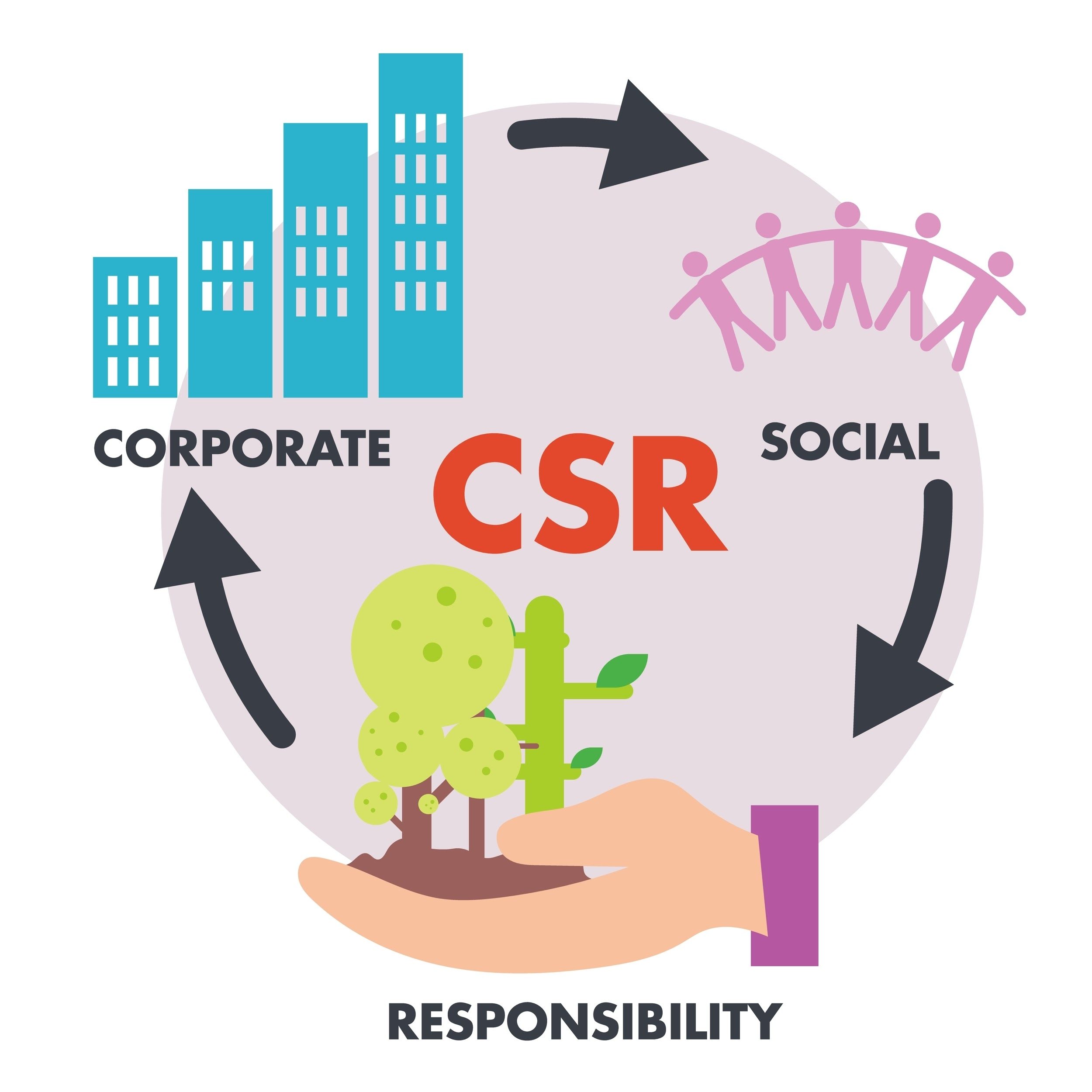
Addressing climate change as a public health issue requires collaboration across sectors. Corporate Social Responsibility (CSR) initiatives can play a vital role by supporting climate-resilient healthcare, clean energy adoption, sustainable livelihoods, and environmental restoration.
Fiinovation advocates for CSR strategies that integrate climate action with health outcomes. By aligning corporate efforts with community needs and public health priorities, organizations can contribute to long-term resilience and sustainability.
Building Climate-Resilient Health Systems
Health systems must adapt to the realities of a changing climate. This includes strengthening emergency preparedness, improving disease surveillance, and investing in resilient infrastructure. Training healthcare workers to respond to climate-related health challenges is equally important.
Proactive planning and data-driven decision-making can help mitigate risks and reduce the long-term costs of climate-related health impacts.
Conclusion
Climate change is undeniably a public health crisis that demands urgent attention. Its impacts extend beyond environmental degradation to affect every aspect of human well-being. From rising disease burdens and food insecurity to mental health stress and social inequities, the health consequences of climate change are complex and interconnected.
From a Fiinovation view, addressing this crisis requires integrated solutions that combine climate action, public health planning, and social responsibility. By recognizing climate change as a health issue and prioritizing vulnerable communities, society can build more resilient, equitable, and sustainable futures. Collective action today is essential to protect public health for generations to come.
