

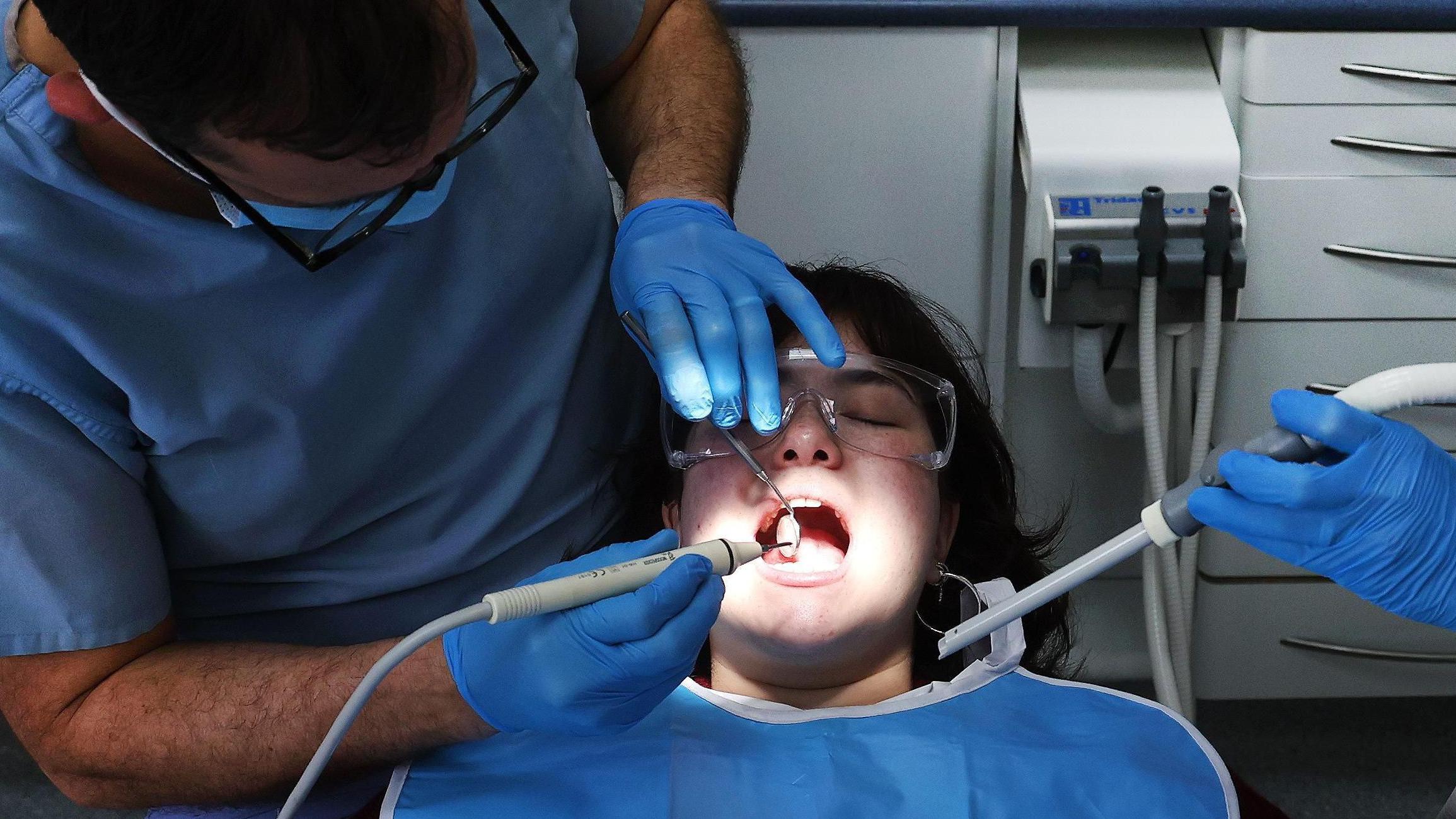
Tooth pain is something most people try to ignore at first. A mild ache, slight sensitivity, or discomfort while chewing often feels temporary. However, some dental problems do not heal on their own. In fact, ignoring early symptoms can turn a simple issue into a serious infection. This is where Root Canal Treatment becomes necessary.
Understanding when you need a Root Canal Treatment and recognizing the warning signs early can save your natural tooth, reduce pain, and prevent complications. This blog explains everything you need to know in clear and simple terms, so you can make the right decision for your oral health.
What Is Root Canal Treatment?
Root Canal Treatment is a dental procedure used to treat infection or damage inside the tooth. Beneath the hard enamel and dentin layers lies the pulp, which contains nerves, blood vessels, and connective tissue. When this pulp becomes infected or inflamed due to deep decay, cracks, trauma, or repeated dental procedures, the tooth cannot heal on its own.
During Root Canal Treatment, the infected pulp is removed, the inside of the tooth is cleaned and disinfected, and then sealed to prevent future infection. The goal is to save the natural tooth rather than extracting it.
Why Is Root Canal Treatment Necessary?
Many people believe that removing the tooth is a simpler option. However, saving your natural tooth is almost always better for chewing, speaking, and maintaining jaw alignment. Root Canal Treatment allows you to keep your tooth while eliminating pain and infection.
Without treatment, the infection can spread to surrounding tissues, cause abscess formation, and even affect overall health. That is why dentists recommend Root Canal Treatment when the pulp is damaged beyond repair.
Common Signs You May Need a Root Canal Treatment
Here are the most common warning signs that indicate you should see a dentist immediately.
1. Persistent Tooth Pain
Ongoing tooth pain is one of the strongest indicators that you may need a Root Canal Treatment. This pain may:
- Be constant or come and go
- Worsen when chewing or biting
- Radiate to the jaw, face, or ear
If pain lasts for several days or increases in intensity, it usually means the nerve inside the tooth is infected or inflamed.
2. Sensitivity to Hot and Cold
Temporary sensitivity is normal, especially after eating very hot or cold foods. However, prolonged sensitivity that lingers for several minutes is a serious concern.
If you feel sharp pain when drinking hot tea or cold water, and the sensation does not fade quickly, it may indicate nerve damage. In many cases, this is an early sign that Root Canal Treatment is needed.
3. Swollen or Tender Gums
Swelling near a painful tooth often points to infection. You may notice:
- Puffy or inflamed gums
- Tenderness when touched
- A small pimple-like bump on the gums (dental abscess)
These symptoms suggest that bacteria have spread from the tooth pulp to the surrounding tissues. Root Canal Treatment helps remove the source of infection and allows the gums to heal.
4. Tooth Discoloration
A tooth that turns gray, dark yellow, or brown may have internal damage. This discoloration happens when the pulp tissue breaks down due to trauma or infection.
Even if there is no pain, tooth discoloration should never be ignored. A dentist can determine whether Root Canal Treatment is required to stop further damage.
5. Pain When Chewing or Touching the Tooth
If you feel discomfort when biting down or applying pressure, it could indicate inflammation around the root of the tooth. This pain often worsens over time and does not resolve without treatment.
Root Canal Treatment removes the infected pulp and relieves pressure on the surrounding nerves, making chewing comfortable again.
6. Cracked or Chipped Tooth
A cracked or chipped tooth allows bacteria to enter the inner layers of the tooth. Even small cracks can expose the pulp to infection.
If the damage reaches the nerve, Root Canal Treatment may be necessary to save the tooth. Delaying treatment increases the risk of infection spreading deeper.
7. Deep Tooth Decay
When cavities are left untreated, decay can reach the pulp. At this stage, simple fillings are no longer effective.
If a dentist detects deep decay close to the nerve, Root Canal Treatment is often recommended to remove infected tissue and protect the tooth from further damage.
What Happens If You Ignore These Signs?
Ignoring the need for Root Canal Treatment can lead to serious problems, including:
- Severe and constant pain
- Dental abscess formation
- Bone loss around the tooth
- Spread of infection to nearby teeth
- Eventual tooth loss
In advanced cases, untreated infections can affect overall health. Early diagnosis makes Root Canal Treatment simpler, faster, and more comfortable.
Is Root Canal Treatment Painful?
One of the biggest myths is that Root Canal Treatment is painful. With modern dental technology and anesthesia, the procedure is usually no more uncomfortable than getting a filling.
In fact, Root Canal Treatment relieves pain rather than causing it. Most patients feel immediate relief once the infected pulp is removed.
When Should You See a Dentist?
You should schedule a dental visit if you experience:
- Tooth pain lasting more than two days
- Sensitivity that does not fade
- Gum swelling or abscess formation
- Discoloration of a tooth
- Pain while chewing
Early evaluation helps determine whether Root Canal Treatment is necessary or if a less invasive option is available.
How Root Canal Treatment Saves Your Tooth
Root Canal Treatment removes infection while preserving the structure of your natural tooth. After the procedure, the tooth is often protected with a crown to restore strength and function.
This approach:
- Maintains natural chewing ability
- Prevents shifting of surrounding teeth
- Protects jawbone health
- Saves time and cost compared to tooth replacement
Final Thoughts
Recognizing the warning signs early can make a significant difference in your dental health. Persistent pain, sensitivity, swelling, or discoloration are signals your tooth is asking for help. Ignoring them may lead to complications that could have been easily avoided.
Root Canal Treatment is a safe, effective, and proven solution to treat infected teeth and preserve your natural smile. If you notice any of the symptoms discussed above, consult a dentist promptly. Timely Root Canal Treatment not only relieves pain but also protects your long-term oral health.
Your teeth are meant to last a lifetime—listening to the signs can help make that possible.
