

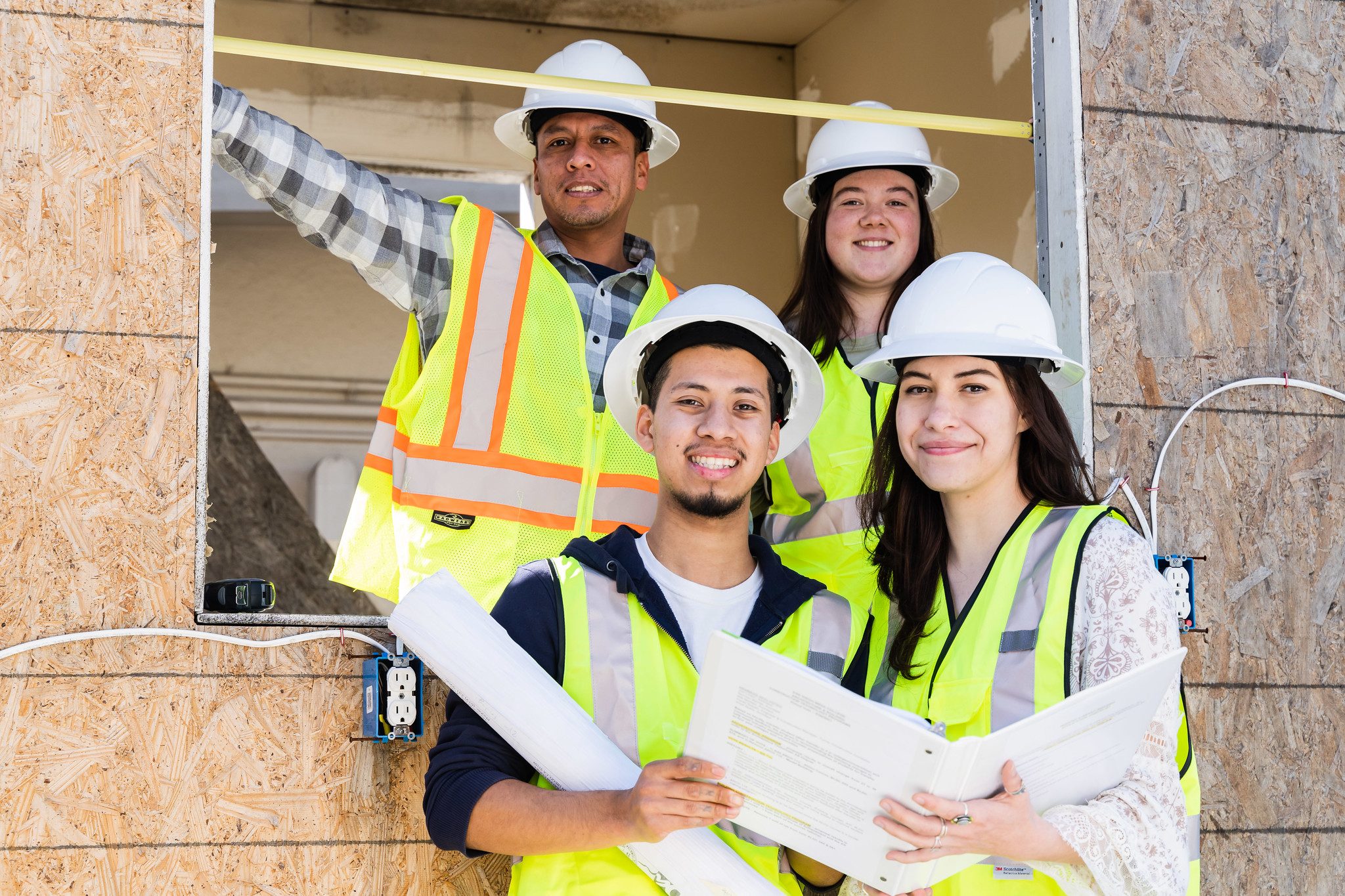
Historic buildings are more than mere structures; they are living testaments to a community’s history, culture, and architectural evolution. In Kennett Square, PA, a town celebrated for its heritage, historic districts, and unique architectural character, preserving and renovating these buildings has become a crucial focus. Historic building renovation Kennett Square PA not only safeguards cultural landmarks but also provides practical and aesthetic benefits for property owners, residents, and the broader community. This blog explores the importance of historic renovations, the challenges involved, and strategies for successful restoration in Kennett Square.
The Importance of Historic Buildings in Kennett Square
Kennett Square’s architectural landscape reflects centuries of settlement, craftsmanship, and community development. From colonial-era homes to early industrial mills, the town’s historic buildings are an essential part of its identity. These structures offer a window into past construction techniques, materials, and design philosophies, which modern architecture rarely replicates.
Preserving these buildings allows the community to maintain its unique character. Historic architecture enhances the aesthetic appeal of neighborhoods, attracts visitors, and supports local tourism. Well-preserved buildings along Main Street, historic homes, and adaptive commercial spaces contribute to a vibrant streetscape that blends heritage with modern life. For property owners, investing in historic building renovation protects long-term property value while contributing to the town’s cultural legacy.
Benefits of Historic Building Renovation
Historic building renovation offers several key benefits:
Cultural Preservation: Renovation protects buildings that have historical and architectural significance, ensuring they remain part of the community for future generations.
Economic Value: Restored historic properties often command higher market value, attract tenants or buyers interested in unique spaces, and stimulate local economic activity.
Sustainability: Renovating existing buildings reduces construction waste and preserves the embodied energy in original materials, aligning with environmentally responsible building practices.
Enhanced Functionality: Renovation allows for the integration of modern systems such as HVAC, plumbing, electrical, and insulation without compromising historical integrity, making buildings suitable for contemporary use.
Community Impact: Restored buildings reinforce the character of neighborhoods, attract businesses, and create cultural spaces that engage the local population and visitors alike.
Challenges in Historic Building Renovation
Renovating historic buildings is a complex undertaking that requires careful planning and specialized expertise. Some of the primary challenges include:
Structural Concerns: Older buildings may have weakened foundations, deteriorated timber, or compromised masonry. Contractors must assess structural integrity and implement reinforcements to ensure safety.
Code Compliance: Historic buildings often predate modern building codes. Upgrading them to meet fire safety, accessibility, and mechanical standards can be complicated while maintaining the building’s original character.
Material Compatibility: Preserving historical authenticity may require sourcing period-appropriate materials or custom-fabricated components that match original elements such as wood, stone, or metalwork.
Unforeseen Issues: Hidden damage, such as water infiltration, termite activity, or outdated electrical systems, can emerge during renovation, requiring flexibility in budgeting and project planning.
Design Integration: Modernizing interior layouts, adding amenities, and improving energy efficiency must be balanced with preserving architectural details like moldings, windows, and staircases.
The Role of Specialized Contractors
Historic building renovation is a specialized field requiring contractors with knowledge of traditional construction techniques, modern building science, and local regulatory requirements. A skilled contractor brings several advantages:
Expertise in Preservation: Understanding original building methods ensures that renovations maintain historical authenticity.
Innovative Solutions: Experienced contractors can integrate modern systems discreetly, preserving the aesthetic and structural integrity of the building.
Regulatory Navigation: Renovating historic buildings often involves permitting, zoning compliance, and coordination with local historical commissions. Contractors familiar with Kennett Square’s regulations can streamline approvals.
Quality Craftsmanship: Attention to detail ensures that repairs, finishes, and installations are sympathetic to the original design and built to last.
Common Types of Historic Renovation Projects in Kennett Square
Kennett Square hosts a variety of renovation opportunities across residential, commercial, and community-focused projects:
Residential Homes: Colonial, Victorian, and early 20th-century homes are often renovated to provide modern comfort while preserving period details such as hardwood floors, fireplaces, and original woodwork.
Commercial Buildings: Historic storefronts and mills are adapted into offices, retail spaces, restaurants, or studios, creating functional spaces that attract tenants and customers.
Community and Cultural Spaces: Historic structures are converted into museums, event venues, or educational facilities, offering cultural enrichment while maintaining architectural significance.
Mixed-Use Developments: Combining residential and commercial spaces in historic buildings supports urban density and revitalizes neighborhoods without sacrificing heritage.
Steps for a Successful Historic Building Renovation
A well-executed renovation involves multiple coordinated phases:
-
Assessment: Conduct a thorough evaluation of the building’s structural condition, historical significance, and potential for adaptive use.
-
Planning: Develop detailed architectural and engineering plans that balance preservation with modern functionality.
-
Permitting and Approval: Work with local authorities and historic commissions to secure necessary permits and ensure compliance with preservation guidelines.
-
Construction and Restoration: Execute structural reinforcements, integrate modern systems, and restore historic elements with attention to detail.
-
Finishing and Upgrades: Apply interior and exterior finishes that honor the building’s history while meeting contemporary standards.
-
Ongoing Maintenance: Establish a maintenance plan to protect both the structural and aesthetic integrity of the property.
Long-Term Value of Historic Renovation
Historic building renovation creates lasting value for property owners and the broader community. Beyond financial benefits, it contributes to cultural continuity, sustainability, and neighborhood appeal. Properly renovated buildings become functional, attractive, and resilient spaces that continue to serve new generations. For Kennett Square, investing in historic renovation reinforces the town’s identity while supporting economic growth and sustainable development.
Conclusion
Historic building renovation in Kennett Square, PA, is more than a construction project—it is an investment in the town’s cultural heritage, community character, and sustainable future. Skilled contractors play a vital role in preserving architectural integrity while integrating modern functionality, ensuring that historic buildings remain relevant and usable. By restoring and revitalizing these structures, property owners contribute to the town’s charm, economic vitality, and long-term environmental sustainability. With careful planning, expert craftsmanship, and a focus on preservation, historic building renovation transforms Kennett Square’s architectural legacy into living, functional spaces that honor the past while embracing the future.
