

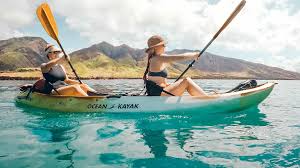
Ocean kayaking in Maui is remarkably safe when you choose the right conditions, respect the ocean’s power, and follow basic safety protocols. With calm morning waters, professional Maui kayak tours, and crystal-clear visibility averaging 100+ feet, Maui offers some of the safest and most breathtaking kayaking experiences in Hawaii. The key to a secure adventure lies in timing your paddle during April through October when trade winds are gentler, starting early between 6-9 AM before afternoon breezes pick up, and understanding which coastlines match your skill level whether you’re a first-timer exploring protected bays or an experienced paddler seeking more challenging waters.
Understanding Ocean Conditions for Safe Kayaking in Maui
The Hawaiian Islands sit in the middle of the Pacific Ocean, which means conditions can change quickly. However, Maui’s unique geography creates several protected areas perfect for kayaking adventures.
What Makes Maui’s Waters Kayak-Friendly?
Maui’s western and southern shores feature barrier reefs and sheltered bays that naturally calm the surf. Locations like Makena Bay, Wailea Beach, and the famous Turtle Town create ideal environments where even beginners can safely enjoy kayaking in Maui. The island’s volcanic coastline also blocks much of the powerful open-ocean swell, giving paddlers more predictable conditions than you’d find on exposed eastern shores.
Water temperatures hover between 75-80°F year-round, eliminating the cold-shock dangers present in mainland waters. This warmth means you don’t need thick wetsuits, reducing fatigue and increasing your mobility if you need to re-enter your kayak after an unexpected swim.
The Real Risks (And How to Avoid Them)
Let’s be honest about potential hazards without creating unnecessary fear. Understanding what can go wrong helps you prevent problems before they start.
Wind and Weather Patterns
Trade winds are your most significant consideration when planning Maui kayak adventures. These consistent northeast winds typically pick up between 10 AM and 2 PM, creating choppy surface conditions and making paddling exhausting. Morning sessions between sunrise and 9 AM offer the calmest waters, often described by locals as “glassy” or mirror-like.
Winter months from November through March bring larger swells from North Pacific storms. While these don’t necessarily make kayaking dangerous in protected areas, they do require more attention to ocean conditions and a realistic assessment of your abilities.
Marine Life Encounters
Maui’s waters teem with incredible marine life, which is exactly why people love kayaking here. Hawaiian green sea turtles, spinner dolphins, and even humpback whales (December-April) frequent kayaking areas. These encounters are magical but require respectful distance.
Keep 10 feet from sea turtles and 50 yards from dolphins and whales it’s not just ethical, it’s federal law. The good news? Marine life in Maui is generally non-aggressive. Unlike some destinations, Maui doesn’t have a significant shark attack history in shallow kayaking zones. Most serious incidents occur with surfers in deeper, murkier water far from popular kayaking spots.
Physical Fatigue and Sun Exposure
Hawaii’s sun is more intense than most visitors expect. Even on cloudy days, UV radiation can cause severe sunburn, leading to dehydration and heat exhaustion. Combine sun exposure with the physical demands of paddling, and you have a recipe for fatigue-related accidents.
Best Times for Safe Kayaking in Maui
Timing isn’t just about catching the best conditions it’s about maximizing safety while enhancing your experience.
Optimal Seasons
April through October represents the premier season for kayaking in Maui. Summer brings smaller swells, lighter winds, and warmer water temperatures. Visibility improves dramatically, often exceeding 150 feet, allowing you to spot coral formations, fish schools, and sea turtles from your kayak.
Winter kayaking (November-March) isn’t off-limits, especially on south-facing shores that remain protected from north swells. In fact, this season offers the incredible bonus of whale watching from your kayak. However, you’ll need to be more selective about conditions and consider guided Maui kayak tours for added safety.
Time of Day Matters
Early morning reigns supreme for safe paddling. Launch between 6-9 AM to catch those calm, glassy conditions. You’ll also benefit from:
- Better marine life visibility as fish are more active
- Fewer boats and jet skis sharing the water
- Cooler temperatures reducing heat-related risks
- Emptier parking at popular launch sites
Late afternoon (after 3 PM) offers a secondary window when winds often decrease, though not as reliably as morning stillness.
Choosing the Right Launch Location
Not all Maui beaches are created equal for kayaking safety. Select your launch site based on your experience level and current conditions.
Beginner-Friendly Locations
Makena Landing stands out as the most forgiving launch site for kayaking in Maui. The protected bay offers easy water entry, minimal surf, and abundant sea turtle sightings. The paddle to Turtle Town covers just 1.5 miles round trip manageable for most fitness levels.
Wailea Beach provides another excellent option with convenient facilities, calm entry points, and the presence of nearby resort activity that adds an extra safety layer.
Intermediate to Advanced Spots
Experienced paddlers gravitate toward South Maui’s coastline for longer expeditions or West Maui around Kapalua and Napili Bay. These areas can present stronger currents and less protection from wind, requiring solid paddling skills and ocean awareness.
Essential Safety Equipment for Maui Kayaks
Never compromise on safety gear. Hawaii law requires specific equipment, and smart paddlers go beyond minimum requirements.
Legal Requirements
Every kayak must have:
- US Coast Guard-approved life jacket for each person
- Whistle or sound-producing device attached to your PFD
- Red distress flag for kayaks operating beyond swimming areas
Recommended Additional Gear
Pack these items for significantly enhanced safety:
Sun Protection: Reef-safe sunscreen (Hawaii law prohibits sunscreens with oxybenzone and octinoxate), long-sleeve rash guard, wide-brimmed hat secured with a chin strap, and polarized sunglasses with a retainer strap.
Hydration and Nutrition: Bring more water than you think necessary at least 32 ounces per person for a two-hour paddle. Include electrolyte tablets and energy snacks in waterproof bags.
Communication: A waterproof phone case or VHF radio allows you to call for help if needed. Cell coverage is generally good along Maui’s popular coastlines.
Navigation: While not essential for short tours, a waterproof map or GPS device helps on longer expeditions.
Solo Kayaking vs. Maui Kayak Tours
This decision significantly impacts your safety level and overall experience.
Benefits of Guided Maui Kayak Tours
Professional tour operators bring unmatched local knowledge about current conditions, marine life behavior, and navigation. They provide all equipment, handle logistics, and typically kayak with groups small enough to ensure individual attention.
Most Maui kayak tours include snorkeling equipment, instruction for beginners, and insurance coverage. These companies monitor weather forecasts, hold required permits for protected areas, and know exactly where to find sea turtles and optimal snorkeling spots.
For first-time ocean kayakers or those unfamiliar with Maui’s waters, guided tours eliminate most risk factors while dramatically improving your chances of memorable wildlife encounters.
When Solo Kayaking Makes Sense
Experienced paddlers who understand ocean dynamics, have researched conditions thoroughly, and feel comfortable with self-rescue techniques can safely rent Maui kayaks for independent exploration. This option offers flexibility in timing and routing that tours can’t match.
Never kayak alone always bring a paddling partner. Check the day’s surf forecast on sites like Surfline or the National Weather Service marine forecast. Talk to rental staff about current conditions and inform someone on shore of your planned route and return time.
Weather Monitoring and Condition Assessment
Smart kayakers become amateur meteorologists during their Maui trip.
Key Indicators to Watch
Wind Speed: Sustained winds above 15 mph create challenging paddling conditions for recreational kayakers. Anything above 20 mph should postpone your trip.
Swell Height and Direction: Check both swell height and period (time between waves). Long-period swells (15+ seconds) from distant storms pack more power than short-period wind chop.
Current Ocean Conditions: Websites like Hawaii Beach Safety provide real-time beach condition reports including current dangers.
Visual Assessment: Before launching, watch the water for 10-15 minutes. Look for consistent wave patterns, note wind direction and strength, and observe how other water users are faring.
Emergency Procedures Every Kayaker Should Know
Hope for the best, prepare for the worst. These skills could save your life.
Self-Rescue Techniques
Practice re-entering your kayak from the water before you need the skill in an emergency. The paddle-float technique uses your paddle and an inflatable device to create an outrigger for stability while you climb back aboard.
If you can’t re-board, stay with your kayak it’s more visible than a swimmer and provides flotation even when capsized.
Signaling for Help
Use your whistle to attract attention (three short blasts is a universal distress signal). Wave your paddle vertically overhead in a side-to-side motion. If you have a red flag, wave it continuously.
Don’t panic. Most kayaking incidents near shore result in uncomfortable but not dangerous situations where help arrives quickly.
Final Thoughts: Confidence Through Preparation
Ocean kayaking in Maui ranks among the safest water activities when approached with respect, preparation, and good judgment. The island’s protected bays, professional tour operators, warm waters, and predictable morning conditions create an environment where millions of people successfully paddle each year.
Start conservatively with your first Maui kayak adventures. Choose guided tours or protected bays, launch during calm morning hours, and don’t push beyond your comfort zone. As you gain experience and confidence in reading ocean conditions, you’ll discover why kayaking in Maui becomes an addiction for so many visitors.
The reward for this preparation? Gliding silently alongside ancient sea turtles, paddling inside volcanic craters now filled with turquoise water, and accessing hidden snorkeling spots that boats can’t reach. That’s the magic of Maui kayaks and it’s remarkably safe when you follow these guidelines.
Your adventure awaits. Check the forecast, pack your reef-safe sunscreen, and get ready for one of the most memorable experiences Maui offers.
