

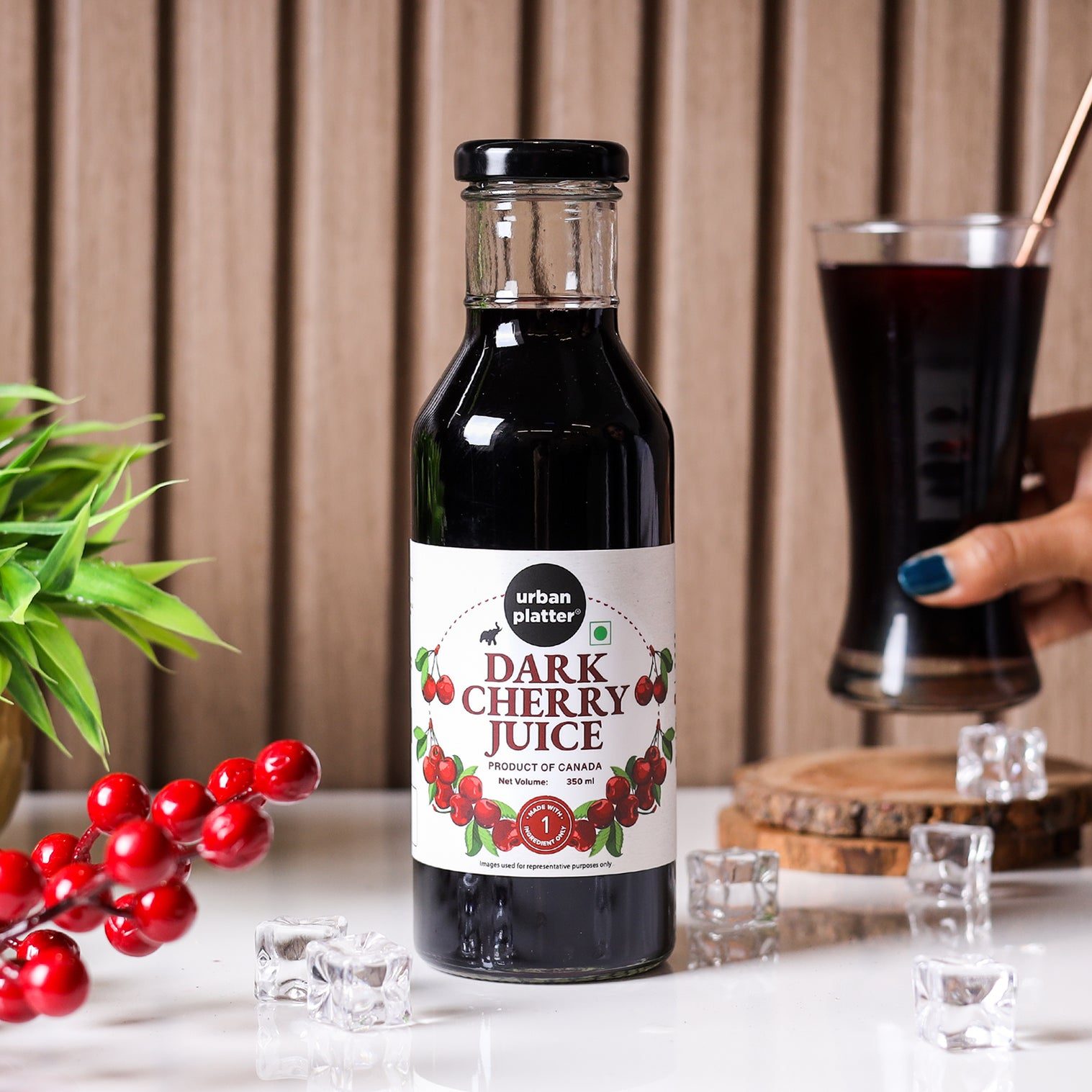
Inflammation and muscle soreness are common concerns for athletes, fitness enthusiasts, and even people with physically demanding lifestyles. While rest and proper nutrition play a key role in recovery, growing scientific interest has highlighted cherry juice—especially tart and dark cherry varieties—as a natural aid for reducing inflammation and supporting muscle recovery.
Rich in antioxidants and bioactive compounds, cherry juice has earned its reputation as a functional wellness drink. Let’s explore how it works and why it’s increasingly included in recovery routines.
Understanding Inflammation and Muscle Soreness
Muscle soreness, particularly delayed onset muscle soreness (DOMS), often occurs after intense or unfamiliar physical activity. It results from microscopic muscle damage and the body’s natural inflammatory response. While inflammation is part of healing, excessive or prolonged inflammation can cause discomfort, stiffness, and delayed recovery.
Managing this response naturally—without overreliance on painkillers—is where cherry juice stands out.
What Makes Cherry Juice Special?
Cherry juice, especially from dark or tart cherries, contains powerful plant compounds that support recovery:
- Anthocyanins – potent antioxidants responsible for the deep red colour
- Polyphenols – reduce oxidative stress and inflammation
- Vitamin C – supports tissue repair
- Potassium – aids muscle function and hydration
These nutrients work together to reduce inflammation and promote faster recovery after physical exertion.
How Cherry Juice Helps Reduce Inflammation
1. Rich in Anti-Inflammatory Antioxidants
Anthocyanins found in cherry juice have been shown to inhibit inflammatory pathways in the body, similar to how some anti-inflammatory medications work—but without the side effects. These compounds help reduce the production of inflammatory markers, easing swelling and discomfort.
Regular consumption may be particularly beneficial for individuals dealing with joint stress, exercise-induced inflammation, or age-related muscle stiffness.
2. Combats Oxidative Stress After Exercise
Intense physical activity increases oxidative stress, leading to muscle fatigue and soreness. Cherry juice helps neutralize radicals generated during exercise, limiting tissue damage and accelerating the repair process.
This antioxidant action supports faster muscle recovery and reduces the intensity of post-workout soreness.
Cherry Juice and Muscle Soreness (DOMS)
Several studies suggest that consuming cherry juice before and after exercise can significantly reduce muscle pain, tenderness, and strength loss.
1. Supports Faster Muscle Recovery
Cherry juice has been shown to improve recovery time by reducing muscle damage markers. Athletes who consume cherry juice often experience less soreness and regain muscle strength more quickly after intense training or endurance events.
2. Helps Maintain Performance Consistency
By reducing soreness and stiffness, cherry juice allows individuals to maintain consistent training schedules without prolonged rest periods. This is especially helpful for runners, weightlifters, cyclists, and team-sport athletes.
Benefits Beyond Athletes
Cherry juice isn’t only for high-performance athletes. It can also benefit:
- People with physically demanding jobs
- Older adults experiencing joint stiffness
- Individuals with mild inflammatory conditions
- Those recovering from daily physical fatigue
Its gentle, food-based approach makes it suitable for regular use as part of a balanced lifestyle.
Tart vs Dark Cherry Juice: Is There a Difference?
Both tart and dark cherry juices offer benefits, but tart cherry juice is often studied more extensively for muscle recovery due to its higher anthocyanin content. However, dark cherry juice still provides significant antioxidant and anti-inflammatory support, especially when consumed unsweetened and zero-preservative.
The key is choosing 100% pure cherry juice without added sugars to maximise benefits.
How and When to Consume Cherry Juice
For muscle recovery and inflammation support:
- Pre-workout: Helps prepare muscles and reduce exercise-induced damage
- Post-workout: Aids recovery and reduces soreness
- Daily wellness: Supports joint comfort and antioxidant intake
A typical serving ranges from 200–350 ml per day, depending on activity levels and individual needs.
Natural Alternative to Pain Relief Options
Many people rely on anti-inflammatory medications for soreness relief, which may cause digestive or long-term health concerns. Cherry juice offers a natural, food-based alternative that supports recovery without harsh side effects when consumed in moderation.
Final Thoughts
Cherry juice plays a valuable role in reducing inflammation and muscle soreness through its rich antioxidant profile and natural anti-inflammatory compounds. Whether you’re an athlete, a fitness beginner, or someone dealing with everyday physical stress, incorporating cherry juice into your routine can support recovery, mobility, and overall well-being.
As part of a balanced diet and active lifestyle, cherry juice offers a refreshing and effective way to care for your muscles—naturally.
