

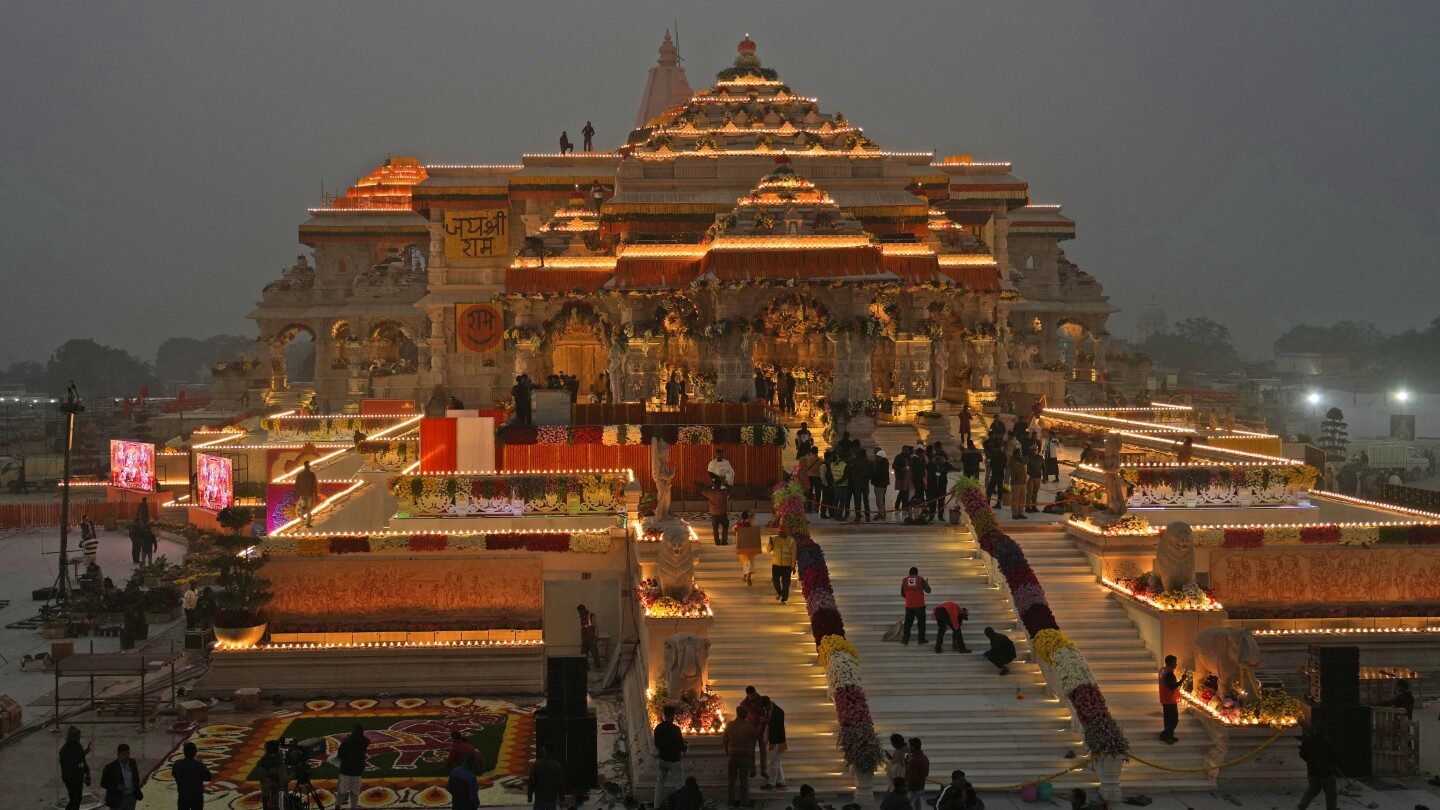
Ayodhya, located on the banks of the sacred Sarayu River in Uttar Pradesh, is one of India’s most revered spiritual destinations.For travelers planning a trip, understanding the best time to visit Ayodhya is essential to make the most of the experience. Known as the birthplace of Lord Rama, the city holds immense religious, cultural, and historical significance. With the inauguration of the grand Ram Mandir, Ayodhya has become a global pilgrimage hub.
🌍 Introduction to Ayodhya
- Religious Importance: Ayodhya is one of the Sapta Puri—seven sacred cities in Hinduism.
- Cultural Heritage: Mentioned in the Ramayana and other scriptures, Ayodhya is a living symbol of devotion.
- Tourism Appeal: Millions of pilgrims and tourists visit Ayodhya every year to explore temples, ghats, and festivals.
Choosing the right season ensures comfort, spiritual fulfillment, and memorable experiences.
🕉️ Best Time to Visit Ayodhya
The best time to visit Ayodhya is generally between October and March, when the weather is pleasant, festivals are celebrated with grandeur, and the city is at its most vibrant. However, each season offers unique experiences.
🌤️ Ayodhya in Winter (October – March)
- Weather: Cool and comfortable, with temperatures ranging from 8°C to 25°C.
- Highlights:
- Ideal for temple visits and sightseeing.
- Perfect for exploring Ram Janmabhoomi, Hanuman Garhi, Kanak Bhawan, and Ram Ki Paidi.
- Evening aarti at Sarayu River is magical in winter.
- Festivals:
- Diwali & Deepotsav: Ayodhya lights up with millions of lamps, creating a breathtaking spectacle.
- Makar Sankranti: Devotees take holy dips in the Sarayu River.
- Ram Vivah Utsav: Celebrates the divine marriage of Lord Rama and Sita.
👉 Verdict: Winter is the most recommended season and widely considered the best time to visit Ayodhya.
🌸 Ayodhya in Spring (February – March)
- Weather: Mild and pleasant, with blooming flowers and clear skies.
- Highlights:
- Comfortable for walking tours and photography.
- Great time for cultural exploration and temple visits.
- Festivals:
- Holi: Celebrated with colors, music, and devotion.
- Ram Navami: Marks the birth of Lord Rama, celebrated with grandeur at Ram Janmabhoomi.
👉 Verdict: Spring is spiritually uplifting and culturally vibrant.
☀️ Ayodhya in Summer (April – June)
- Weather: Hot, with temperatures ranging from 30°C to 45°C.
- Highlights:
- Early mornings and evenings are suitable for temple visits.
- Fewer crowds compared to winter, offering peaceful experiences.
- Festivals:
- Chaitra Navratri: Devotees observe fasting and prayers.
- Hanuman Jayanti: Celebrated at Hanuman Garhi with great devotion.
👉 Verdict: Summer is less ideal due to heat, but manageable for dedicated pilgrims.
🌧️ Ayodhya in Monsoon (July – September)
- Weather: Moderate to heavy rainfall, lush greenery, and cooler temperatures.
- Highlights:
- Scenic beauty of ghats and temples enhanced by rains.
- Peaceful atmosphere with fewer tourists.
- Festivals:
- Shravan Month: Devotees throng Shiva temples like Nageshwarnath.
- Janmashtami: Celebrated with devotion and cultural programs.
👉 Verdict: Monsoon offers natural beauty but may disrupt travel plans due to rain.
🧭 Month-by-Month Guide
- January: Pleasant weather, ideal for sightseeing.
- February: Spring blooms, Holi preparations.
- March: Ram Navami celebrations.
- April–June: Hot, but quieter for pilgrims.
- July–September: Rainy, lush landscapes, fewer crowds.
- October–December: Diwali, Deepotsav, and peak pilgrimage season.
🎉 Festivals That Define the Best Time to Visit Ayodhya
- Deepotsav (Diwali)
- Millions of lamps illuminate the city.
- Cultural performances and Ramayana reenactments.
- Ram Navami
- Celebrates Lord Rama’s birth.
- Grand rituals at Ram Janmabhoomi.
- Makar Sankranti
- Holy dips in the Sarayu River.
- Kite flying and festive spirit.
- Hanuman Jayanti
- Celebrated at Hanuman Garhi with devotion.
🌱 Tips for Travelers
- Clothing: Light woolens in winter, cotton in summer, rain gear in monsoon.
- Accommodation: Book hotels early during festivals.
- Transport: Ayodhya is well-connected by rail, road, and air (new airport).
- Etiquette: Respect temple customs, dress modestly, and maintain cleanliness.
📈 Tourism Impact
- Winter and festival seasons see the highest footfall.
- Local businesses thrive during peak months.
- Government initiatives like the Ram Mandir project have boosted global tourism.
🚩 Challenges
- Overcrowding during festivals.
- Rising demand for infrastructure and facilities.
- Balancing commercialization with spiritual authenticity.
🌐 Future of Ayodhya Tourism
- Development of Ram Mandir Corridor.
- Smart tourism initiatives with digital guides.
- Greater focus on eco-friendly and sustainable travel.
- International promotion of Ayodhya as a global spiritual hub.
✨ Conclusion
The best time to visit Ayodhya depends on your preferences. For most travelers, October to March is ideal, offering pleasant weather, vibrant festivals, and spiritual experiences. Winter and spring are perfect for sightseeing and cultural immersion, while monsoon and summer provide quieter, more reflective journeys.
Ayodhya is not just a destination—it is a spiritual awakening. Whether you visit during the grandeur of Deepotsav or the serenity of winter mornings, Ayodhya promises an unforgettable experience that connects you with India’s timeless heritage.
