

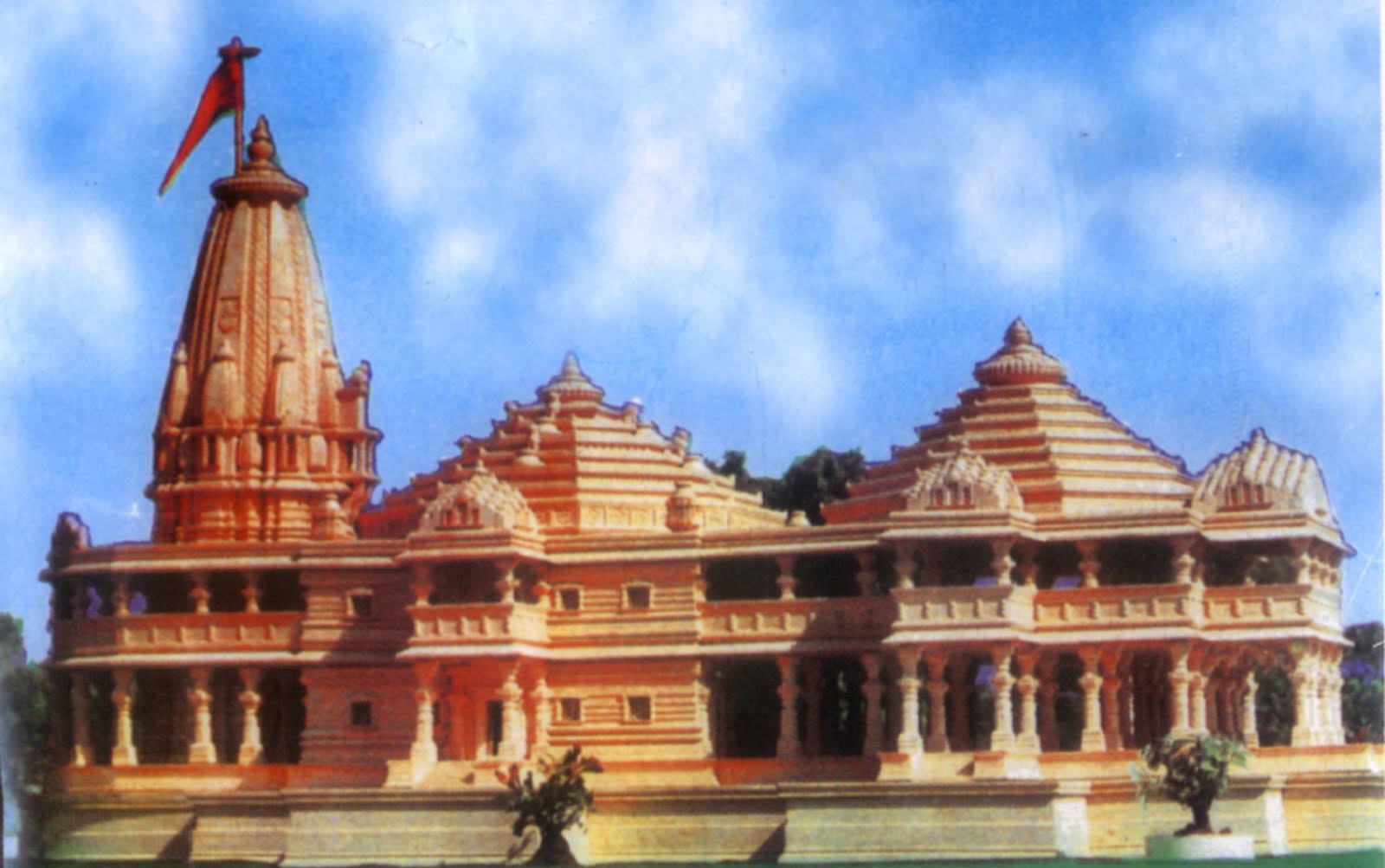
Ayodhya, located on the banks of the Sarayu River in Uttar Pradesh, is one of the most revered cities in India. Ayodhya tourist places attract millions of pilgrims and travelers every year, offering a blend of spirituality, heritage, and vibrant traditions. Known as the birthplace of Lord Rama, it holds immense religious, cultural, and historical significance.
This guide explores the major attractions of Ayodhya, their cultural importance, and the experiences they offer.
🌍 Introduction to Ayodhya
- Religious Significance: Ayodhya is considered one of the seven most important pilgrimage sites (Sapta Puri) in Hinduism.
- Cultural Heritage: The city is mentioned in the Ramayana and other ancient scriptures.
- Tourism Appeal: With the construction of the grand Ram Mandir, Ayodhya has become a global spiritual destination.
🕉️ Major Ayodhya Tourist Places
1. Ram Janmabhoomi Temple
- Believed to be the birthplace of Lord Rama.
- The newly built Ram Mandir is a magnificent structure showcasing traditional Indian architecture.
- A must-visit for devotees and tourists.
2. Hanuman Garhi
- A fortress-like temple dedicated to Lord Hanuman.
- Located in the heart of Ayodhya, it offers panoramic views of the city.
- Devotees believe visiting Hanuman Garhi is essential before Ram Janmabhoomi darshan.
3. Kanak Bhawan
- A temple gifted to Goddess Sita by Queen Kaikeyi.
- Known for its beautiful idols of Lord Rama and Sita adorned with gold ornaments.
- A symbol of devotion and marital harmony.
4. Nageshwarnath Temple
- Dedicated to Lord Shiva.
- Believed to have been established by Kush, son of Lord Rama.
- Important during the Shivratri festival.
5. Dashrath Bhavan
- The royal residence of King Dashrath, father of Lord Rama.
- Hosts cultural performances and religious ceremonies.
6. Ram Ki Paidi
- A series of ghats along the Sarayu River.
- Popular for evening aarti and holy dips.
- Offers a serene atmosphere for meditation and photography.
7. Sita Ki Rasoi
- A small temple believed to be the kitchen of Goddess Sita.
- Symbolizes simplicity and devotion.
8. Gulab Bari
- A beautiful garden and mausoleum of Nawab Shuja-ud-Daula.
- Showcases Mughal architecture and rose gardens.
- Reflects Ayodhya’s syncretic culture.
9. Ayodhya Deepotsav
- Annual festival celebrated during Diwali.
- Thousands of lamps light up the ghats and temples.
- A spectacular cultural event attracting global tourists.
🧭 Other Notable Attractions
- Treta Ke Thakur Temple: Houses idols of Lord Rama, Sita, Lakshman, and Hanuman.
- Raj Dwar Mandir: Ancient temple with historical significance.
- Imambada: Reflects the city’s Islamic heritage.
- Tulsi Smarak Bhavan: Dedicated to poet Tulsidas, who wrote the Ramcharitmanas.
🌱 Cultural Significance of Ayodhya Tourist Places
- Spiritual Value: Strengthens faith and devotion among pilgrims.
- Cultural Preservation: Maintains traditions of Ramayana and local folklore.
- Tourism Impact: Boosts local economy and hospitality sector.
- Global Recognition: Attracts international visitors, strengthening India’s cultural diplomacy.
🥘 Culinary Experiences in Ayodhya
Ayodhya offers simple yet delicious vegetarian food:
- Kachori-Sabzi: Popular breakfast dish.
- Lassi & Rabri: Sweet delights for pilgrims.
- Temple Prasad: Traditional offerings like laddoos and khichdi.
🎉 Festivals in Ayodhya
- Ram Navami: Celebrates the birth of Lord Rama.
- Diwali & Deepotsav: Grand celebrations with millions of lamps.
- Makar Sankranti: Holy dips in the Sarayu River.
🚩 Challenges in Ayodhya Tourism
- Overcrowding during festivals.
- Preservation of ancient temples and ghats.
- Need for better infrastructure for international tourists.
- Balancing commercialization with authenticity.
🌐 Future of Ayodhya Tourism
- The inauguration of the Ram Mandir has transformed Ayodhya into a global spiritual hub.
- Government initiatives aim to develop Ayodhya as a model pilgrimage city.
- Digital promotion through virtual tours and apps.
- Greater focus on eco-friendly and sustainable tourism.
✨ Conclusion
Ayodhya tourist places are not just attractions—they are journeys into faith, culture, and history. Whether it’s the grandeur of Ram Janmabhoomi, the serenity of Ram Ki Paidi, or the vibrancy of Ayodhya Deepotsav, the city offers experiences that touch the soul.
For travelers, Ayodhya is more than a destination—it is a spiritual awakening and a cultural exploration. By visiting these places, one connects with the timeless teachings of Lord Rama and the essence of India’s heritage.
