

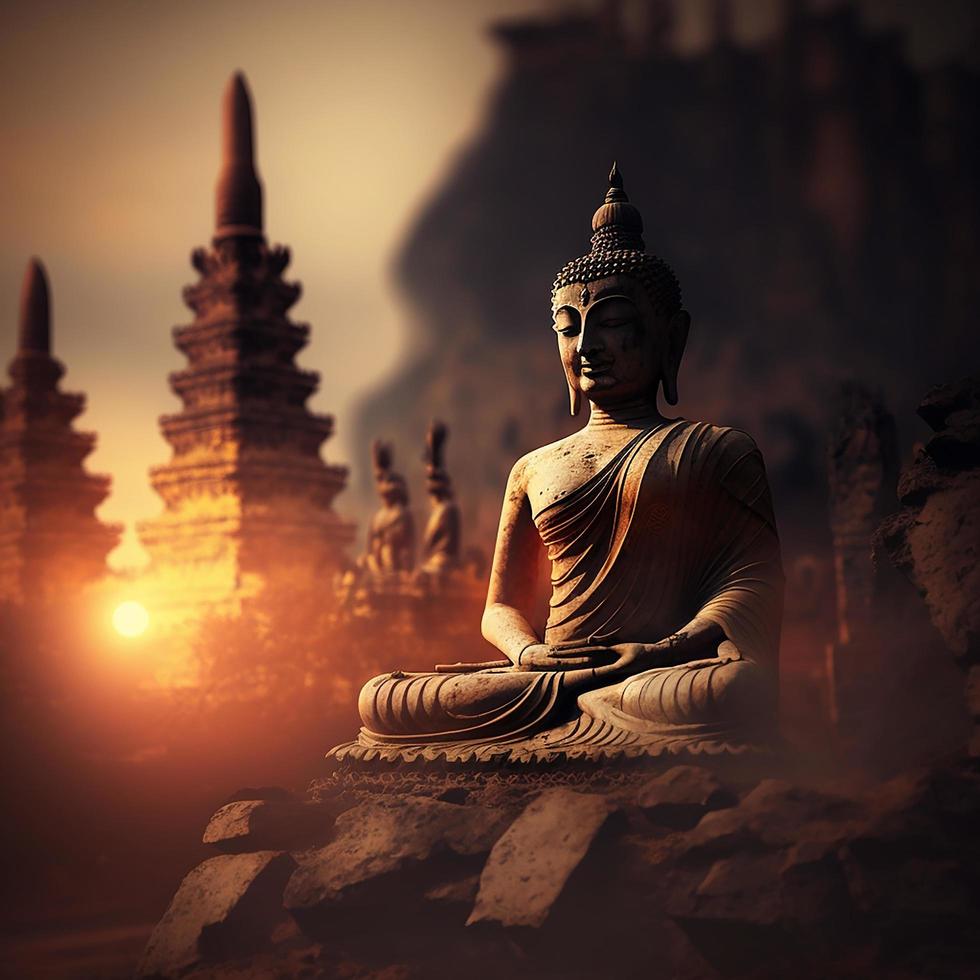
India is the birthplace of Buddhism, a religion that has spread across the world with its teachings of compassion, mindfulness, and peace. Buddhist Festivals in India are vibrant celebrations that honor the life and teachings of Lord Buddha while showcasing the traditions, rituals, and community spirit of Buddhist followers. These festivals are not only religious events but also cultural gatherings that attract pilgrims, tourists, and scholars from across the globe. Over centuries, Buddhism has shaped India’s cultural and spiritual landscape.
🌍 Introduction to Buddhist Festivals in India
Festivals in Buddhism are deeply connected to significant events in the life of Lord Buddha—his birth, enlightenment, first sermon, and Mahaparinirvana. They also celebrate monastic traditions, community rituals, and cultural exchanges. In India, Buddhist festivals are observed in states like Bihar, Uttar Pradesh, Ladakh, Sikkim, Arunachal Pradesh, and Maharashtra, where Buddhist heritage thrives.
These festivals are marked by prayers, meditation, chanting, processions, cultural performances, and communal harmony. They provide a unique opportunity for travelers to experience spirituality alongside cultural richness.
🕉️ Major Buddhist Festivals in India
1. Buddha Purnima (Vesak)
- Celebrated on the full moon day in April or May.
- Marks the birth, enlightenment, and Mahaparinirvana of Lord Buddha.
- Observed at Bodh Gaya, Sarnath, Kushinagar, and other Buddhist sites.
- Rituals include prayers, meditation, sermons, and distribution of food to the needy.
- Pilgrims gather at the Mahabodhi Temple in Bodh Gaya to offer flowers and light lamps.
2. Hemis Festival (Ladakh)
- Celebrated at Hemis Monastery in Ladakh.
- Honors Guru Padmasambhava, who spread Buddhism in Tibet.
- Famous for masked dances (Cham dance) performed by monks.
- Attracts tourists for its colorful costumes, music, and spiritual energy.
3. Losar Festival (Tibetan New Year)
- Celebrated in Ladakh, Sikkim, and Arunachal Pradesh.
- Marks the Tibetan New Year, usually in February or March.
- Rituals include prayers, offerings, and cultural performances.
- Families clean homes, prepare traditional dishes, and exchange greetings.
4. Kathina Ceremony
- Celebrated after the end of the monastic retreat (Vassa).
- Devotees offer new robes and essentials to monks.
- Symbolizes generosity, community spirit, and gratitude.
- Observed in Buddhist monasteries across India.
5. Torgya Festival (Arunachal Pradesh)
- Celebrated at Tawang Monastery.
- A three-day festival with masked dances to ward off evil spirits.
- Highlights Buddhist rituals and monastic traditions.
6. Phang Lhabsol (Sikkim)
- Celebrates Mount Kanchenjunga as a guardian deity.
- Combines Buddhist rituals with local traditions.
- Monks perform masked dances and prayers.
7. Kagyed Dance Festival (Sikkim)
- Held in December before the New Year.
- Monks perform Cham dances symbolizing the victory of good over evil.
- Attracts tourists for its vibrant costumes and spiritual atmosphere.
8. Chotrul Duchen (Festival of Butter Lamps)
- Celebrated on the first full moon after Losar.
- Monasteries light butter lamps to honor Buddha’s miracles.
- Symbolizes enlightenment and compassion.
🧭 Rituals and Traditions in Buddhist Festivals
- Meditation & Chanting: Central to all festivals, promoting mindfulness.
- Offerings: Flowers, incense, lamps, and food offered at temples.
- Masked Dances: Symbolic performances depicting Buddhist teachings.
- Community Service: Distribution of food, clothes, and essentials to the needy.
- Pilgrimage: Devotees travel to Bodh Gaya, Sarnath, and other sacred sites.
🌱 Cultural Significance of Buddhist Festivals
- Spiritual Renewal: Festivals strengthen faith and mindfulness.
- Community Bonding: Bring people together in harmony.
- Cultural Preservation: Maintain ancient rituals and traditions.
- Tourism Impact: Attract international visitors, boosting local economies.
🥘 Culinary Experiences During Festivals
Food plays an important role in Buddhist festivals:
- Vegetarian Meals: Simple dishes reflecting Buddhist values.
- Butter Tea: Popular in Ladakh and Sikkim.
- Festive Dishes: Momos, thukpa, and traditional sweets.
- Community Feasts: Meals shared among devotees and visitors.
🎉 Buddhist Festivals at Key Destinations
- Bodh Gaya (Bihar): Buddha Purnima celebrations at Mahabodhi Temple.
- Sarnath (Uttar Pradesh): Sermons and rituals during Buddha Purnima.
- Kushinagar (Uttar Pradesh): Mahaparinirvana Day observed with prayers.
- Ladakh: Hemis and Losar festivals with masked dances.
- Sikkim: Kagyed and Phang Lhabsol festivals.
- Arunachal Pradesh: Torgya festival at Tawang Monastery.
🚩 Challenges in Buddhist Festivals
- Overcrowding at major sites like Bodh Gaya.
- Preservation of ancient monasteries and temples.
- Need for better infrastructure for international tourists.
- Balancing commercialization with authenticity.
🌐 Future of Buddhist Festivals in India
- Government initiatives to promote the Buddhist Circuit.
- Digital promotion through virtual tours and live streaming of festivals.
- Greater focus on eco-friendly celebrations.
- International collaborations to highlight Buddhist heritage.
✨ Conclusion
Buddhist Festivals in India are more than religious events—they are celebrations of peace, compassion, and cultural richness. Whether it’s the serene rituals of Buddha Purnima in Bodh Gaya, the vibrant dances of Hemis in Ladakh, or the butter lamps of Chotrul Duchen, these festivals offer unforgettable experiences.
For travelers, Buddhist festivals are opportunities to witness spirituality in action, connect with communities, and explore India’s rich heritage. By participating in these festivals, one not only honors Lord Buddha’s teachings but also embraces the timeless values of harmony and mindfulness.
