

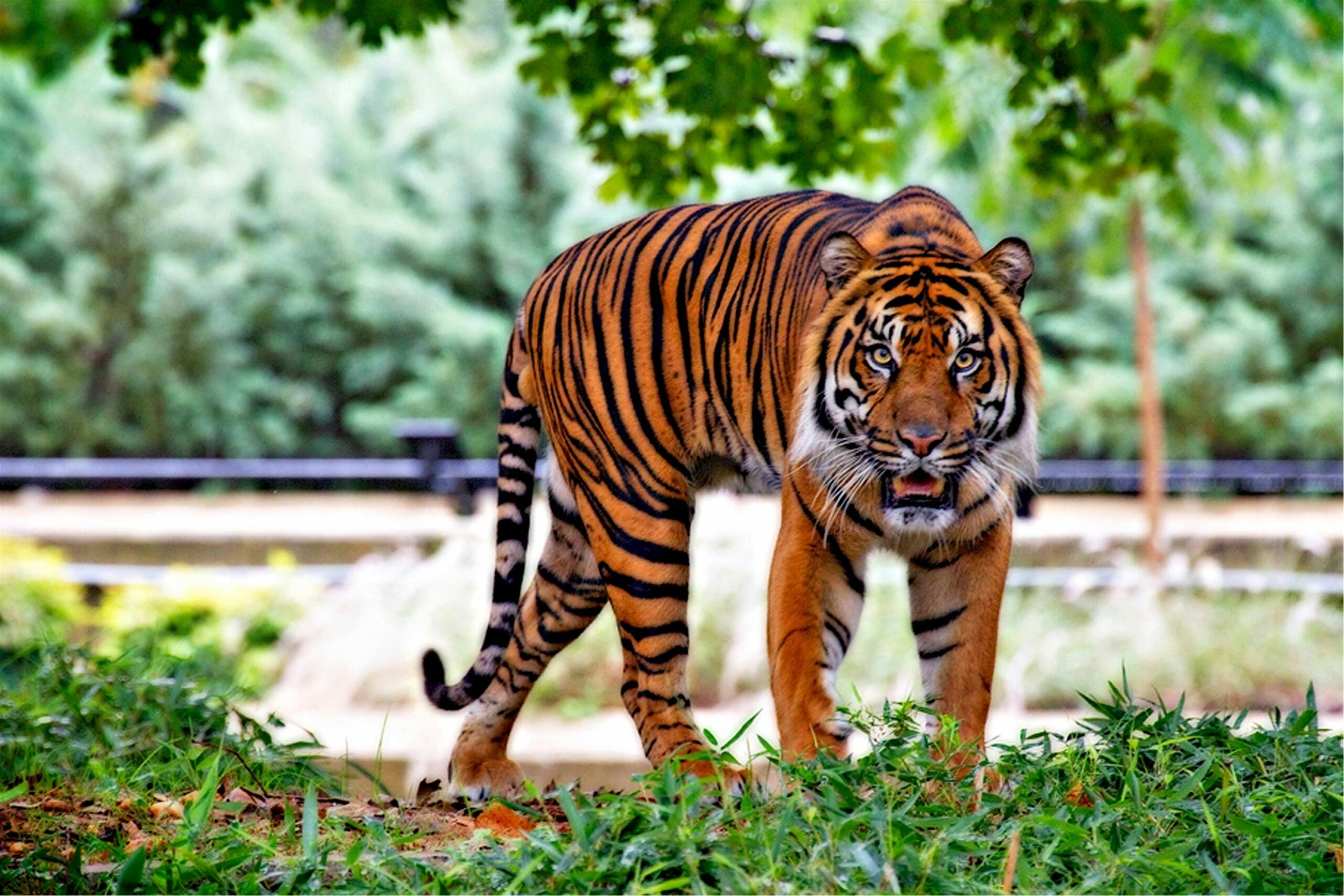
This guide explores the park’s history, wildlife, safari experience, best time to visit, cultural insights, and travel tips to help you plan a memorable journey. Ranthambore National Park & Tiger Reserve, located in the Sawai Madhopur district of Rajasthan, is among the most celebrated wildlife sanctuaries in India. Once the private hunting grounds of the Maharajas of Jaipur, it is now a protected area under Project Tiger and a UNESCO-recognized heritage site for its unique blend of natural and historical treasures. Spread across 392 square kilometers, Ranthambore is famous for its majestic Bengal tigers, but it also offers visitors a chance to explore ancient ruins, lakes, and the iconic Ranthambore Fort.
🌟 Why Ranthambore is Special
- Tiger Reserve: One of the best places in the world to spot Bengal tigers in the wild.
- Historic Fort: Ranthambore Fort, dating back to the 10th century, sits within the park.
- Biodiversity: Home to leopards, sloth bears, caracals, jackals, hyenas, and over 300 bird species.
- Scenic Landscapes: Dry deciduous forests, lakes, and rocky outcrops create dramatic backdrops.
- Photography Haven: Tigers often roam near ruins, offering iconic photo opportunities.
🦁 Wildlife in Ranthambore
- Bengal Tigers: The star attraction, often seen near waterholes and ruins.
- Leopards: Elusive predators inhabiting rocky terrain.
- Other Mammals: Sloth bears, striped hyenas, jackals, foxes, caracals, and nilgai.
- Birds: Crested serpent eagles, painted spurfowl, peacocks, and migratory species.
- Reptiles: Marsh crocodiles, monitor lizards, and snakes.
🧭 Safari Experience
Safari Types
- Jeep Safari: Offers close encounters with tigers and leopards.
- Canter Safari: Larger vehicles suitable for groups.
Safari Zones
Ranthambore is divided into 10 safari zones, each offering unique landscapes and wildlife sightings.
Safari Timings
- Morning Safari: 6:00 AM – 9:30 AM.
- Afternoon Safari: 2:30 PM – 6:00 PM.
Booking
- Safaris must be booked online through Rajasthan Tourism.
- Advance booking is essential during peak season (Oct–Mar).
🧭 Best Time to Visit Ranthambore
- Winter (Oct–Mar): Pleasant weather, ideal for safaris and photography.
- Summer (Apr–Jun): Hot but rewarding for tiger sightings near waterholes.
- Monsoon (Jul–Sep): Park remains closed for safaris due to conservation efforts.
📊 Seasonal Comparison
|
Season |
Months |
Pros |
Cons |
Best For |
|
Winter |
Oct – Mar |
Pleasant weather, migratory birds, comfortable safaris |
Crowded, higher prices |
Families, casual tourists |
|
Summer |
Apr – Jun |
Easier tiger sightings, fewer crowds |
Hot weather, less comfort |
Wildlife photographers |
|
Monsoon |
Jul – Sep |
Green landscapes |
Park closed, safaris unavailable |
Off-season travelers |
🎭 Cultural and Local Experiences
- Ranthambore Fort: Explore ancient ruins and temples within the park.
- Ganesh Temple: A popular pilgrimage site inside the fort.
- Local Villages: Interact with communities around Sawai Madhopur.
- Cuisine: Rajasthani thalis, dal baati churma, and sweets.
- Festivals: Urs at Ajmer Sharif and local fairs add cultural flavor.
🏨 Accommodation Options
- Luxury Resorts: Premium stays near Sawai Madhopur with modern amenities.
- Eco-Lodges: Sustainable stays offering authentic experiences.
- Budget Hotels: Affordable options for backpackers.
- Homestays: Interaction with local families and culture.
🌿 Travel Tips
- Book Early: Safari permits are limited and sell out quickly.
- Clothing: Light cotton in summer, warm layers in winter.
- Photography: Carry telephoto lenses for wildlife shots.
- Etiquette: Respect wildlife, avoid littering, and follow safari rules.
- Transport: Nearest airport is Jaipur (130 km); Sawai Madhopur is the closest railhead.
🧳 Suggested Itinerary
Day 1: Arrive in Sawai Madhopur, check into resort, evening safari.
Day 2: Morning safari, visit Ranthambore Fort, explore local cuisine.
Day 3: Optional safari in different zones, shopping in local markets.
🌍 Why Ranthambore Appeals to All
- Families: Safe and educational wildlife experiences.
- Wildlife Enthusiasts: Unique opportunity to see Bengal tigers.
- Photographers: Stunning landscapes and diverse fauna.
- International Tourists: Exclusive tiger habitat and cultural immersion.
✨ Conclusion
A visit to Ranthambore National Park & Tiger Reserve is more than just a safari—it is an adventure into the heart of Rajasthan’s wilderness and history. From the roar of the Bengal tiger to the ancient walls of Ranthambore Fort, every moment is unforgettable.
Whether you’re a family seeking a memorable vacation, a wildlife enthusiast chasing rare sightings, or a traveler exploring Rajasthan’s cultural richness, Ranthambore promises experiences that will stay with you forever.
So plan your journey wisely, book your safari in advance, and let the wilderness of Ranthambore inspire your soul.
