

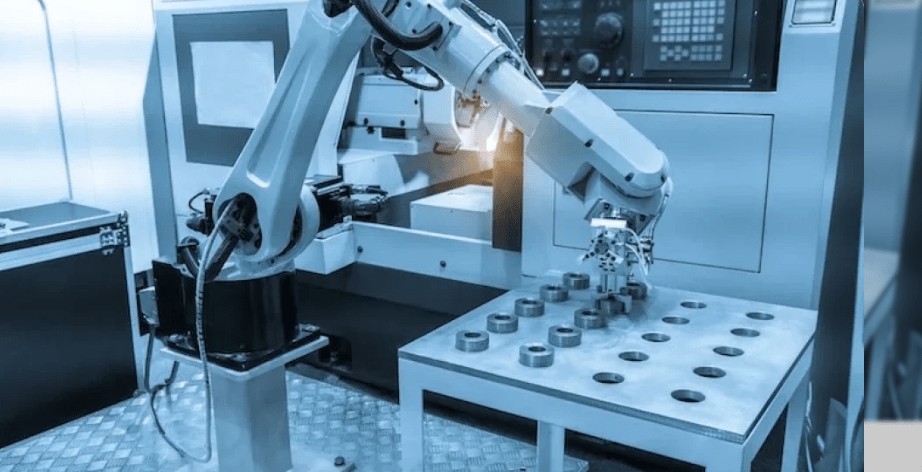
CNC machining for automation has revolutionized industries across the globe by offering precision, efficiency, and scalability. As technology advances, industries are increasingly relying on automated solutions to streamline production, enhance product quality, and reduce costs. In this article, we’ll dive into the significance of CNC machining for automation and explore its pivotal role in shaping the future of manufacturing.
Understanding CNC Machining for Automation
CNC (Computer Numerical Control) machining is a highly precise process that uses computerized controls to automate the machining of materials like metal, plastic, and composites. When integrated into automation systems, CNC machines can significantly increase the production capabilities of factories while ensuring top-tier precision and consistency.
How CNC Machining is Transforming Automation
CNC machines are an essential component of modern automated manufacturing systems. The ability to program CNC machines allows manufacturers to produce parts with tight tolerances, often faster and more accurately than traditional methods. As a result, CNC machining for automation not only helps increase production volumes but also plays a key role in creating complex components that are crucial in various industries.
Automating CNC machines means that production lines can run 24/7 with minimal human intervention, reducing the risks of human error and increasing overall efficiency. This is particularly important for industries that demand precision, such as aerospace, automotive, and electronics manufacturing.
Benefits of CNC Machining for Automation
Integrating CNC machining with automation offers a range of advantages. These include:
Improved Efficiency and Speed
By automating the CNC machining process, manufacturers can achieve faster turnaround times for producing parts. The use of robotics and automated tools reduces the need for manual labor and streamlines the entire production process. This helps manufacturers meet tight deadlines while maintaining a high level of accuracy and quality.
Enhanced Precision and Quality Control
CNC machines are programmed to make highly accurate cuts, ensuring that each part is produced to the exact specifications. This level of precision is especially important in industries like medical devices or aerospace, where even the smallest deviation can lead to product failures. Automated CNC systems can consistently produce high-quality parts with minimal variation, ensuring that each piece meets the required standards.
Cost Reduction
Automating CNC machining processes can significantly lower labor costs, as fewer operators are required to oversee the production process. Additionally, by reducing errors and scrap material, manufacturers can further reduce production costs. These savings can be reinvested into the business, allowing for continuous growth and innovation.
CNC Machining in Industrial Automation
In the context of industrial automation, CNC machining plays a vital role in creating the components that power automated systems. Whether it’s a part for an industrial robot, a fixture for a production line, or a component for an automated assembly machine, CNC machines ensure that the pieces fit together perfectly to form an efficient system.
Precision Parts for Robotics
Robots are a cornerstone of modern automated manufacturing. CNC machining is used to produce precise parts that make up robotic arms, grippers, and other components. These robots perform tasks ranging from material handling to assembly, and their success depends heavily on the accuracy and reliability of the parts that make them.
CNC machining is ideal for producing robotic parts due to its ability to deliver highly accurate components with tight tolerances. Whether it’s the intricate gears in a robotic arm or the housings for electrical systems, CNC machining provides the precision needed for robotics to function smoothly and efficiently.
Customized Components for Automated Systems
Each industrial automation system is unique, and often requires specialized components tailored to its specific needs. CNC machining allows manufacturers to create custom parts that fit within a larger automated system, ensuring that all components work together seamlessly. This flexibility is one of the key reasons CNC machining is so widely used in automation.
The Role of CNC Machining in Advancing Manufacturing
CNC machining has already had a profound impact on industries ranging from aerospace to automotive, but its potential for the future of manufacturing is even greater. With the ongoing development of smart factories, AI integration, and IoT technologies, the role of CNC machining in automation is set to expand even further.
Integrating AI and Smart Technology
The integration of AI into CNC machining processes allows for continuous optimization and predictive maintenance. AI algorithms can analyze data from CNC machines in real-time, detecting potential issues before they arise and ensuring that machines are operating at peak efficiency. This level of smart automation reduces downtime and increases the overall reliability of CNC systems.
Additionally, as automation becomes more sophisticated, CNC machines will play an even larger role in the creation of highly intricate parts for the next generation of technologies. From 3D printing and additive manufacturing to advanced robotics, CNC machining will continue to shape the way products are designed and produced.
Future Trends in CNC Machining for Automation
The future of CNC machining for automation looks promising, with several exciting trends emerging. These include:
-
Collaboration between humans and machines: Rather than replacing human workers, CNC machines in automation will work alongside humans, enhancing their capabilities and allowing for greater efficiency in tasks like assembly, quality control, and packaging.
-
Customization and flexibility: The rise of mass customization in manufacturing means that CNC machines will be used more frequently to produce small batches of highly customized parts, allowing companies to meet specific customer needs without sacrificing efficiency.
-
Sustainability and energy efficiency: As environmental concerns grow, CNC machining for automation will play a role in producing energy-efficient machines and sustainable products. Automated CNC systems will continue to improve energy usage and reduce waste in manufacturing processes.
Conclusion: The Future of CNC Machining for Automation
CNC machining for automation has revolutionized the manufacturing industry by offering unparalleled precision, efficiency, and scalability. As technology continues to advance, the role of CNC machining in automation will only grow, enabling manufacturers to create high-quality products faster and more affordably than ever before.
With applications ranging from robotics to aerospace, CNC machining is the backbone of modern manufacturing, and its integration with automation is setting the stage for a new era of industrial innovation. As businesses look to stay ahead of the competition, CNC machining will continue to be at the forefront of their manufacturing processes, driving progress and excellence in industries across the globe.
CNC machining for automation is more than just a trend—it’s the future of manufacturing. By embracing these advanced technologies, manufacturers can unlock new possibilities and create products that push the boundaries of what’s possible.
