

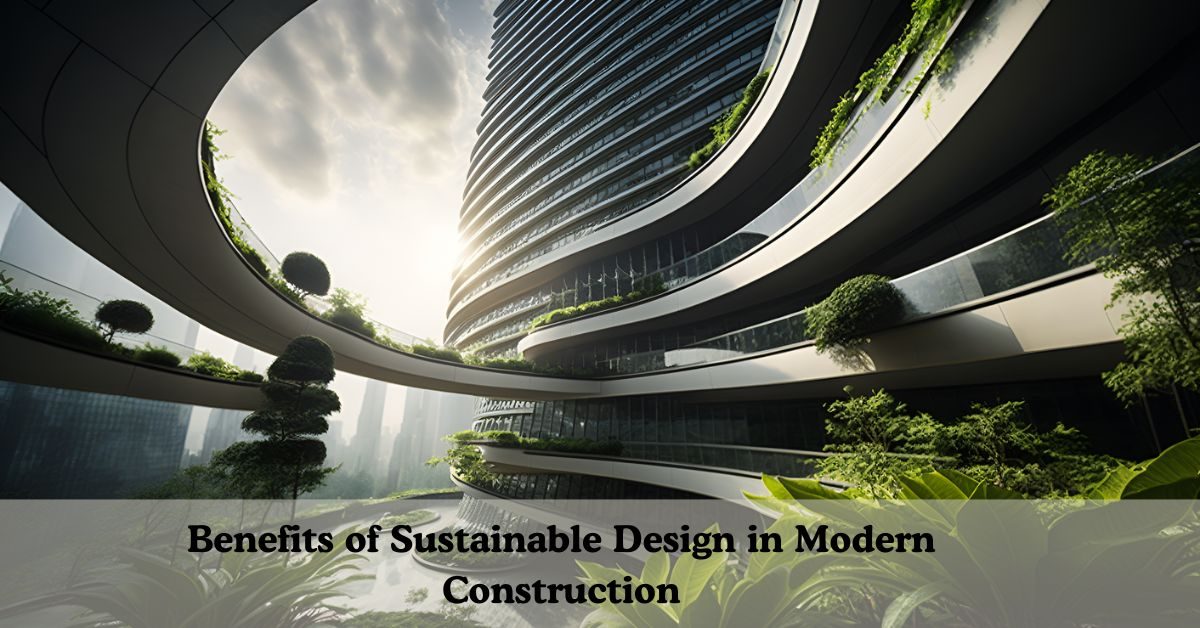
Sustainable design has moved far beyond being a niche concept or optional feature in construction. Today, it represents a responsible, forward-thinking approach that aligns economic performance with environmental stewardship and human well-being. As cities expand and resource consumption increases, the construction industry plays a critical role in shaping a more resilient and efficient built environment. Sustainable design offers measurable benefits that extend across the entire lifecycle of a building—from planning and construction to operation and eventual reuse.
In this evolving landscape, integrated engineering plays a vital role in translating sustainability goals into practical outcomes. Thoughtfully planned mechanical, electrical, and plumbing systems help reduce energy demand, optimize water usage, and enhance indoor comfort without compromising performance. This is where experienced Mep consultants in Bangalore contribute significantly, ensuring that sustainable design strategies are embedded seamlessly into building systems to support long-term efficiency, regulatory compliance, and occupant well-being.
Reducing Environmental Impact
One of the most significant advantages of sustainable design is its ability to minimize environmental damage. Traditional construction methods often rely heavily on non-renewable resources, generate excessive waste, and contribute to carbon emissions. Sustainable design addresses these challenges by promoting energy-efficient systems, responsible material sourcing, and reduced water consumption.
By optimizing building orientation, improving insulation, and integrating natural lighting and ventilation, sustainable buildings reduce dependence on fossil fuels. This leads to lower greenhouse gas emissions and a smaller overall carbon footprint, helping construction projects align with global climate goals.
Improved Energy Efficiency and Cost Savings
Energy efficiency is at the core of sustainable design, and its financial benefits are both immediate and long-term. Buildings designed with efficient HVAC systems, smart controls, and renewable energy integration consume significantly less energy than conventional structures.
Although sustainable features may require a slightly higher upfront investment, the operational savings quickly offset initial costs. Lower electricity bills, reduced maintenance requirements, and longer system lifespans contribute to substantial cost savings over time. For owners and developers, this translates into improved asset value and predictable operating expenses.
Enhanced Occupant Health and Comfort
Modern construction is no longer just about creating functional spaces—it is about designing environments where people can thrive. Sustainable design prioritizes indoor environmental quality by focusing on clean air, thermal comfort, and access to natural light.
The use of low-emission materials, effective ventilation, and moisture control reduces indoor air pollution and the risk of health issues. Daylighting strategies not only reduce energy consumption but also improve mood, productivity, and overall well-being. In offices, schools, and residential buildings alike, these factors lead to healthier occupants and better performance outcomes.
Efficient Use of Water Resources
Water scarcity is becoming a growing concern in many regions, making water-efficient design a critical aspect of modern construction. Sustainable buildings incorporate strategies such as low-flow fixtures, rainwater harvesting, and greywater reuse to reduce water demand.
Landscape design also plays an important role by using native or drought-resistant plants that require minimal irrigation. These measures help conserve water resources while lowering utility costs, making buildings more resilient to future supply challenges.
Long-Term Durability and Reduced Maintenance
Sustainable design encourages the selection of high-quality, durable materials that perform well over time. Instead of short-term cost savings, the focus shifts toward lifecycle performance and reliability.
Buildings constructed with durability in mind experience fewer repairs, reduced downtime, and lower replacement costs. This long-term approach benefits both owners and occupants by ensuring consistent performance and reducing disruptions caused by frequent maintenance activities.
Adaptability and Future Readiness
Modern buildings must be flexible enough to adapt to changing needs, technologies, and regulations. Sustainable design emphasizes modular planning, efficient space utilization, and systems that can be upgraded without major structural changes.
This adaptability extends the useful life of buildings and reduces the need for demolition and reconstruction. As sustainability standards continue to evolve, future-ready buildings remain compliant and competitive, protecting investments and supporting long-term usability.
Increased Market Value and Brand Reputation
Sustainable buildings are increasingly recognized as premium assets in the real estate market. Buyers and tenants are more aware of energy costs, environmental impact, and health considerations, making sustainability a strong differentiator.
Projects that demonstrate responsible design practices often enjoy higher occupancy rates, increased property value, and stronger brand reputation. For developers and organizations, sustainable construction signals commitment to quality, responsibility, and long-term thinking.
Supporting Regulatory Compliance and Certifications
Governments and local authorities worldwide are introducing stricter environmental regulations and performance standards for buildings. Sustainable design helps projects meet these requirements efficiently and reduces the risk of future compliance issues.
In addition, green certifications provide third-party validation of a building’s performance, offering credibility and recognition in a competitive market. These certifications can also unlock incentives, tax benefits, and faster approvals in certain regions.
Contribution to a Sustainable Future
Beyond individual projects, sustainable design contributes to a larger vision of responsible urban development. By reducing resource consumption, lowering emissions, and improving quality of life, sustainable construction supports the transition toward smarter and more resilient cities.
Every sustainably designed building becomes part of a collective effort to balance growth with environmental responsibility. This approach ensures that development today does not compromise the needs of future generations.
Conclusion
The benefits of sustainable design in modern construction extend far beyond environmental considerations. From energy savings and occupant well-being to long-term durability and enhanced market value, sustainable design offers a holistic approach that aligns economic success with social and environmental responsibility. By integrating intelligent planning and digital coordination, project teams can make informed decisions that improve performance across the building lifecycle, a process increasingly supported by leading Bim companies in Bangalore.
As the construction industry continues to evolve, sustainable design is no longer a trend—it is a necessity. Embracing data-driven design and collaborative workflows ensures stronger buildings, healthier communities, and a more resilient future for the built environment.
