

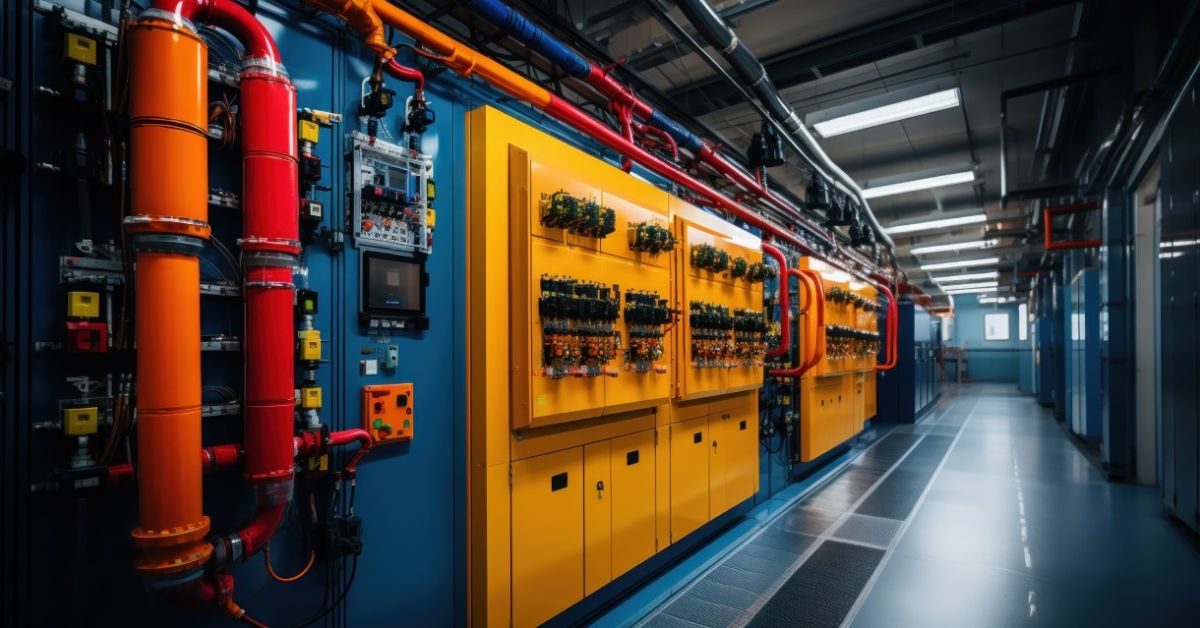
Electrical systems form the backbone of modern buildings, industrial facilities, and commercial establishments. The growing demand for energy efficiency, coupled with environmental concerns, has made optimizing electrical systems a priority for engineers, architects, and facility managers alike. Electrical system optimization is not merely about reducing energy bills; it ensures reliability, safety, and sustainability while enhancing occupant comfort. Among the many components of electrical systems, lighting and power distribution are critical areas where optimization can have a significant impact. Leading MEP design companies in Chennai play a pivotal role in implementing these optimizations, ensuring that buildings achieve maximum efficiency and long-term performance
Understanding Electrical System Optimization
Electrical system optimization involves designing, managing, and maintaining electrical systems in a way that maximizes performance while minimizing waste. It focuses on enhancing energy efficiency, improving operational reliability, and reducing the overall environmental footprint. In buildings, an optimized electrical system ensures that energy is delivered precisely where it is needed without overloading circuits or causing unnecessary losses.
Optimization is not a one-time process; it involves continuous monitoring, analysis, and upgrades. The approach requires a holistic understanding of the building’s energy needs, the types of equipment used, and the behavior of occupants. With advancements in digital technologies, such as smart meters, sensors, and Building Management Systems (BMS), facility managers now have the tools to analyze energy usage patterns and make informed decisions for optimization.
Importance of Efficient Lighting
Lighting is one of the largest energy consumers in any building, accounting for nearly 20-40% of total electricity use in commercial spaces. Optimizing lighting systems is, therefore, a critical step in electrical system optimization. Efficient lighting not only reduces energy consumption but also improves occupant productivity and comfort.
Choosing the Right Lighting Technology
One of the first steps in optimizing lighting is selecting the appropriate technology. Traditional incandescent and fluorescent lights are increasingly being replaced by LED (Light Emitting Diode) systems. LEDs are highly energy-efficient, consume significantly less electricity, and have a longer lifespan. In addition to energy savings, LEDs reduce maintenance costs due to their durability.
Lighting Controls and Automation
Implementing smart lighting controls is another effective strategy. Sensors, timers, and dimming systems ensure that lights are only used when necessary. Occupancy sensors can automatically turn lights on or off based on room usage, while daylight sensors adjust artificial lighting depending on the natural light available. Automation ensures energy savings without compromising comfort.
Optimizing Lighting Layouts
The layout of lighting fixtures also plays a crucial role in efficiency. Properly designed layouts reduce shadows, glare, and over-illumination, ensuring that energy is used effectively. Lighting designers often use simulation tools to model natural and artificial lighting before installation, allowing them to create optimized lighting plans.
Power Distribution Optimization
While lighting directly impacts electricity consumption, power distribution is the foundation of the entire electrical system. An optimized power distribution network ensures that electricity reaches every device and system safely and efficiently. Poor distribution can lead to energy losses, equipment failure, and even safety hazards.
Load Analysis and Balancing
A key step in power distribution optimization is load analysis. Engineers must evaluate the total electrical demand of the facility and identify peak load periods. Balancing loads across circuits prevents overloading, reduces energy losses, and increases the lifespan of electrical equipment. Load balancing also minimizes voltage drops, ensuring that all devices operate efficiently.
Upgrading Distribution Equipment
Aging distribution equipment such as transformers, circuit breakers, and panels can cause inefficiencies. Modern equipment with advanced monitoring and protective features enhances performance and safety. For instance, high-efficiency transformers reduce energy losses during voltage conversion, while smart circuit breakers provide real-time fault detection and energy management.
Minimizing Transmission Losses
Transmission losses occur when electrical energy is lost as heat while traveling through wires and cables. Optimizing cable sizing, using high-quality conductors, and reducing unnecessary distribution lengths can significantly reduce these losses. Additionally, advanced monitoring systems can detect hotspots and overloads, allowing for proactive maintenance and repair.
Integration of Renewable and Backup Power
Incorporating renewable energy sources, such as solar panels, into the electrical system can enhance efficiency and sustainability. Solar energy can offset part of the building’s electricity demand, especially during peak daylight hours, reducing the load on the main distribution network.
Backup power systems, such as UPS (Uninterruptible Power Supply) units and generators, ensure uninterrupted operation during outages. Optimizing the integration of backup power involves sizing systems correctly and automating their operation to reduce energy wastage. This ensures reliability without compromising efficiency.
Role of Energy Management Systems (EMS)
Energy Management Systems play a pivotal role in electrical system optimization. EMS platforms monitor, control, and analyze energy usage across lighting and power distribution networks. By providing real-time insights into energy consumption, they allow facility managers to identify inefficiencies, predict future loads, and implement energy-saving strategies.
EMS systems can also integrate with smart lighting and automated power distribution controls, creating a unified platform for optimizing electrical performance. These systems are particularly valuable in large commercial or industrial facilities where energy usage is complex and dynamic.
Maintenance and Predictive Analytics
Optimization does not end with design and installation. Regular maintenance of electrical systems is essential to sustain efficiency. Cleaning and servicing lighting fixtures, checking for loose connections, and ensuring that distribution panels are functioning correctly prevent energy losses and potential hazards.
Predictive analytics, enabled by IoT sensors and data-driven tools, can forecast potential failures and inefficiencies before they occur. This proactive approach reduces downtime, extends equipment life, and ensures that the electrical system remains optimized over time.
Economic and Environmental Benefits
Optimizing electrical systems provides significant economic and environmental advantages:
- Reduced Energy Bills: Efficient lighting and balanced power distribution directly lower electricity costs.
- Lower Maintenance Costs: Modern, high-efficiency equipment requires less frequent maintenance and replacement.
- Enhanced Equipment Longevity: Proper load management and system monitoring prevent premature equipment failure.
- Reduced Carbon Footprint: Efficient systems consume less electricity, lowering greenhouse gas emissions and supporting sustainability goals.
- Improved Occupant Comfort: Adequate lighting and reliable power distribution enhance comfort and productivity for building occupants.
Case Studies and Best Practices
Many organizations have achieved remarkable energy savings by optimizing electrical systems. For example, retrofitting old fluorescent lighting with LEDs in commercial buildings often results in energy reductions of up to 50%. Similarly, implementing smart lighting controls and load balancing in office complexes has shown payback periods of less than three years while significantly improving occupant comfort.
Best practices include:
- Conducting detailed energy audits to identify areas of improvement.
- Prioritizing LED and energy-efficient lighting technology.
- Installing sensors and automation for lighting and equipment.
- Using high-quality distribution equipment with real-time monitoring.
- Integrating renewable energy sources where feasible.
- Implementing a proactive maintenance program with predictive analytics.
Future Trends in Electrical System Optimization
The field of electrical system optimization is evolving rapidly, driven by technology and sustainability demands. Some emerging trends include:
- IoT and Smart Buildings: Increasing connectivity of devices allows for granular control of lighting and power systems.
- Artificial Intelligence: AI algorithms optimize energy usage patterns and predict peak demands.
- Decentralized Energy Systems: Microgrids and on-site renewable generation reduce dependency on centralized grids and enhance resilience.
- Human-Centric Lighting: Advanced lighting systems adapt to circadian rhythms, improving health and productivity.
These trends indicate that electrical system optimization will not only focus on energy efficiency but also on enhancing the overall experience and functionality of built environments.
Conclusion
Electrical system optimization is a multifaceted approach that combines technology, engineering expertise, and strategic planning. Efficient lighting and power distribution form the cornerstone of this optimization, ensuring energy efficiency, safety, and sustainability. From selecting advanced lighting technologies and designing effective layouts to balancing loads and integrating smart distribution systems, each step contributes to a more reliable and environmentally responsible electrical network. Skilled BIM engineers Chennai play a crucial role in this process, using digital modeling and simulation to optimize designs and ensure seamless integration of all electrical components.
By embracing optimization strategies, organizations can achieve substantial economic savings, reduce environmental impact, and provide safe, comfortable spaces for occupants. In an era where energy efficiency and sustainability are no longer optional, investing in optimized electrical systems is a smart, forward-thinking decision.
