

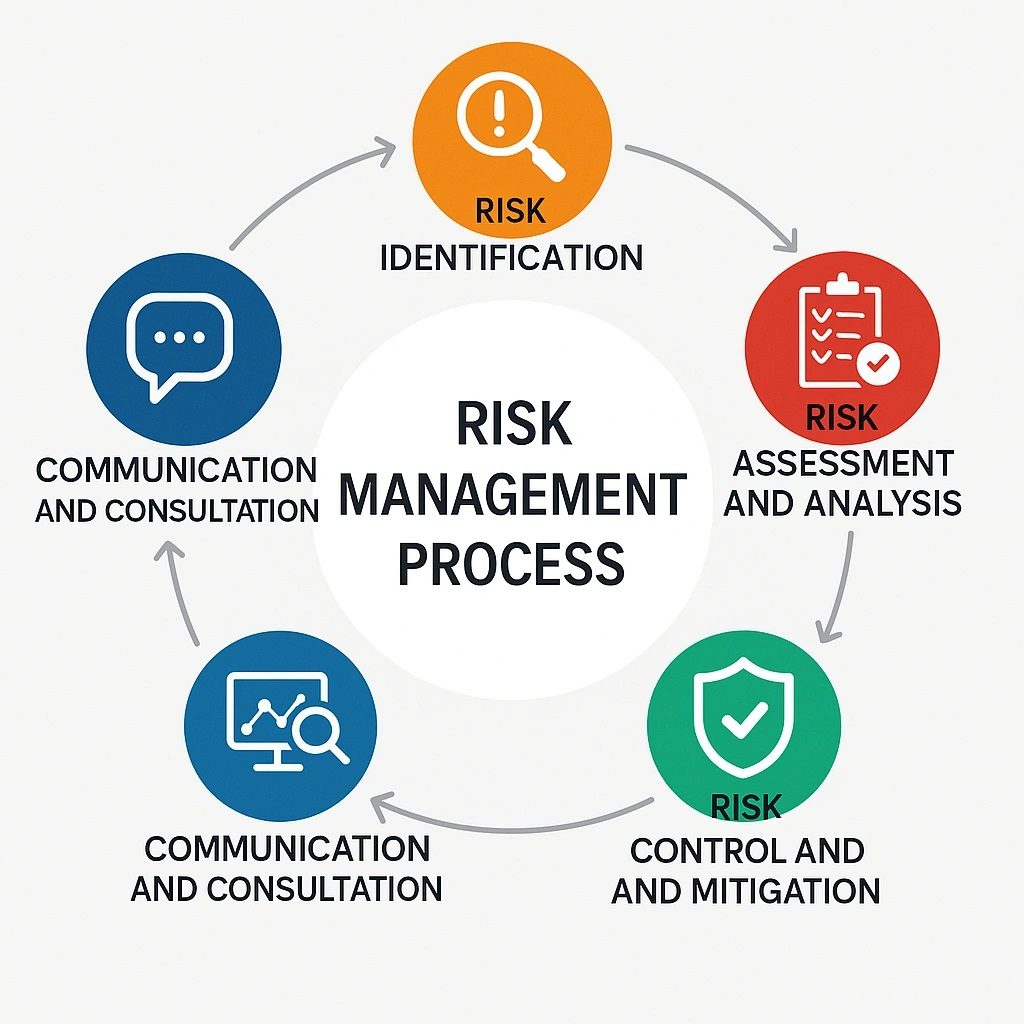
In today’s increasingly digitized world, where businesses rely heavily on technology, the importance of cybersecurity cannot be overstated. Cyber threats constantly evolve, and organizations must proactively identify and mitigate potential risks. Cyber security consultant are pivotal in helping organizations assess and manage these risks. This blog will dive into the critical steps of a cybersecurity consultant’s risk assessment process.
The Role of Cybersecurity Consultants
Before delving into the risk assessment process, it’s essential to understand the critical role that cybersecurity consultants play. These professionals are experts in identifying, evaluating, and mitigating cyber security services risks. They collaborate closely with organizations to safeguard their digital assets and sensitive information.
Critical Steps in a Cyber Security Consultant’s Risk Assessment Process
Step 1: Identifying Assets
The first step in the risk assessment process is identifying all the assets needing protection. These assets include data, hardware, software, and other resources critical to the organization’s operations. To effectively protect these assets, organizations need a comprehensive understanding of what they are and where they are located.
For example, a healthcare provider may identify patient records, medical equipment, and critical databases as essential assets. Similarly, an e-commerce company considers customer data, transaction systems, and web servers vital.
Step 2: Threat Assessment
In this stage, cybersecurity consultants evaluate potential threats to the identified assets. Threats can be either external or internal. External threats typically involve malicious actors such as hackers, malware, and cybercriminals. On the other hand, internal threats may involve employees, contractors, or anyone with access to the organization’s systems.
Threat assessment involves understanding potential attackers’ motives, tactics, and capabilities. This step is critical for tailoring the risk assessment and mitigation strategies to address specific threats.
Step 3: Vulnerability Assessment
Once the threats are identified, the next step is to assess the vulnerabilities within the organization’s systems that these threats could exploit.
- Outdated software and hardware.
- Weak or easily guessable passwords.
- Access control needs to be improved.
- Unpatched security flaws.
A vulnerability assessment aims to identify weaknesses that attackers could exploit to compromise the organization’s security. For example, an outdated CMS in a website can be a vulnerability attackers might exploit to gain unauthorized access.
Step 4: Risk Analysis
In this step, cyber security consultants analyze and quantify the risks associated with each identified threat and vulnerability. Risk analysis involves considering the likelihood of an attack occurring and its potential impact on the organization. A risk score is assigned to each threat, combining these two factors.
It is crucial for prioritizing cyber security services risks. High-impact, high-likelihood risks may need immediate attention, while low-impact, low-likelihood risks can be addressed later or with less urgency.
Step 5: Risk Mitigation
The final step involves developing a risk mitigation strategy. Cybersecurity consultants recommend security measures and policies to reduce the identified risks. This could include implementing various security controls such as:
- Firewalls and intrusion detection systems.
- Employee training programs to promote awareness and responsible behavior.
- Regular system patching and updates to address vulnerabilities.
The goal is to create a comprehensive risk management plan that reduces the risk and ensures business continuity. Risk mitigation measures should align with the organization’s risk tolerance and budget.
Tools and Techniques
Cyber security consultants use various tools and techniques during the risk assessment process. These may include:-
Vulnerability Scanners: These automated tools scan the organization’s network and systems to identify known vulnerabilities.
Penetration Testing: Ethical hackers attempt to exploit vulnerabilities to assess the system’s security and identify weaknesses.
Risk Assessment Frameworks: Standardized frameworks like NIST (National Institute of Standards and Technology) provide a structured approach to risk assessment.
Security Audits: Consultants may conduct in-depth audits to evaluate an organization’s adherence to security policies and best practices.
Interviews and Assessments: Gathering insights from key personnel in the organization to gain a more comprehensive understanding of their cybersecurity posture.
Continuous Monitoring
Cyber threats are dynamic, constantly evolving, and adapting to new security measures. Continuous monitoring is, therefore, crucial in the risk assessment process. Cyber security consultants work with organizations to ensure their security measures remain effective and up to date.
Periodic reassessments and adjustments to the risk management plan are essential to address emerging threats and vulnerabilities. Continuous monitoring helps organizations stay one step ahead of potential cyberattacks.
Conclusion
In conclusion, consultants are the guardians of an organization’s digital assets. They identify and mitigate potential threats and vulnerabilities through a systematic risk assessment. As the threat landscape evolves, these professionals remain adaptable and vigilant, safeguarding organizations from the ever-present risk of cyberattacks.
Consider engaging a cyber security consultant to help you navigate the complex world of cyber threats. The risk assessment is a crucial first step in enhancing your cybersecurity posture and ensuring safety.
